What Is Hydraulic Press?
 endustriyelkesim.com'u Google'da tercih edilen kaynak olarak ekleyin +
● Quick Summary
- Hydraulic press is a machine that produces large forces with liquid pressure based on the Pascal principle; High pressing power is obtained with low energy thanks to its system consisting of a hydraulic cylinder, pump and oil tank.
- Hydraulic presses used in many sectors such as automotive, defense, white goods and packaging; It is produced in different types such as type C, H type, four columns and deep drawing, and responds to various needs.
- While its high pressing capacity and wide range of materials are among its biggest advantages; High initial investment costs, regular maintenance requirements and possible energy losses stand out as a disadvantage.
Estimated reading time: 20 seconds
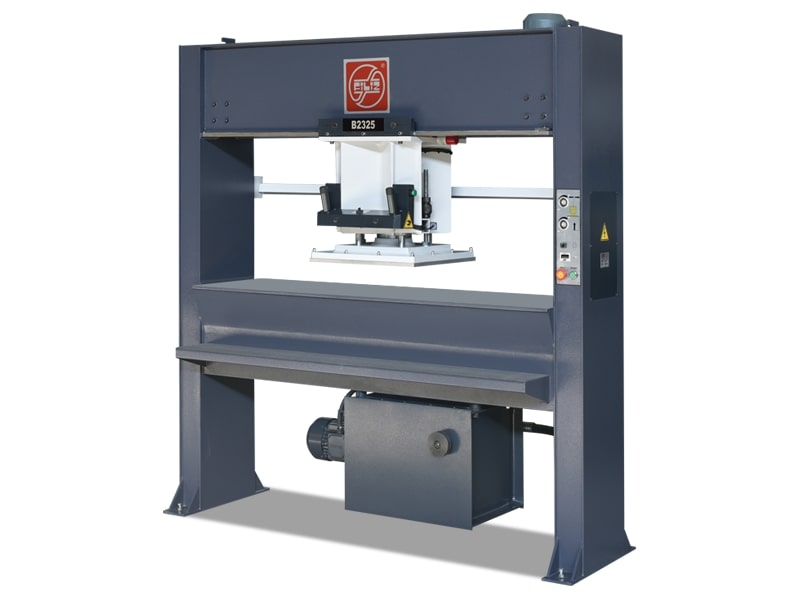
Hydraulic press is a kind of pressing machine that creates great forces using the pressure of liquids. The working principle is explained by the Pascal principle; According to this principle, the pressure of liquids is evenly distributed in a closed environment. In this way, a large force can be obtained with a low force. Hydraulic presses are effective tools that can be used for shaping, cutting and mounting raw materials.
Hydraulic presses are generally designed for high-power applications. These machines contain various components; These include hydraulic cylinder, hydraulic pump and oil tank. Each of these components supports the efficient operation of the machine. While the material is located on the press table during the process, the force created by the hydraulic cylinder shapes or cuts the material.
Hydraulic presses have many advantages. These machines facilitate large and difficult operations, thanks to their high tonnage pressing capabilities. They provide precise studies on various materials; Therefore, they are frequently preferred in industrial production.
How to Transfer Power with the Pascal Principle?
Pascal’s principle is the basic working principle of hydraulic presses. According to this principle, the pressure applied in a closed liquid is transmitted equally to every point of the liquid. That is, when a pressure source is created, this pressure acts at the same rate on all components in the hydraulic system. As a result, it becomes possible to obtain large forces with a low force.
In hydraulic presses, special hydraulic oils are generally used as liquids. This oil reduces friction in the system and provides power transfer when necessary. For example, the pressure applied to a small cylinder is transferred to a larger cylinder, where it creates a high force. This method is in industrial pressing it is highly effective to ensure high accuracy and efficiency.
Thanks to the Pascal principle, hydraulic presses can be used to process a wide variety of materials and create a great concentration of force in this process. Both in the shaping of automotive parts and in the packaging sector, this principle makes it possible to process the products in the most appropriate way according to the material properties.
Main Components of Hydraulic Press
The main components of the hydraulic press are the hydraulic cylinder, hydraulic pump and oil tank. The hydraulic cylinder is the cylinder part that moves with the pressure of the liquid and is the most important component that creates the pressing force. By moving the piston in the cylinder, it directly affects the force applied to the material.
The hydraulic pump provides the energy source required to pump the liquid. This pump ensures that the hydraulic fluid is transmitted to the system and the pressure is created in the cylinders. Choosing the right pump is important because it has a great impact on the efficiency and power of the press.
The oil tank, on the other hand, is the area where the liquid is stored in the press system. This tank provides the amount of oil required for the hydraulic system to function properly. Therefore, the operation and performance of the hydraulic press system depends on the correct operation of these main components.
Usage Areas of Hydraulic Press: in Which Sectors Is It Preferred?
Hydraulic presses are versatile machines used in many industries and are designed for a variety of applications. In the automotive industry, these machines offer a wide range of applications in part shaping and assembly. Hydraulic presses are often preferred for the precise and durable production of automotive parts.
The defense sector is also one of the areas where hydraulic presses are widely used. These machines play a critical role, as high stamina and precision are needed in the production of weapons and ammunition. Hydraulic presses also play an important role in the assembly and shaping of the products in the production of white goods.
In the packaging industry, various materials of hydraulic presses; EVA is used to cut or shape substances such as sponges and foam. The forces provided by these machines are very important for better packaging of products and increasing portability. As Proje Industrial Section, we offer hydraulic press solutions for the needs in these sectors.
Hydraulic Press Types (type C, Type H, Four Columns, Deep Drawing, Etc.)
Hydraulic presses differ according to their function and structure. Type C hydraulic presses are often preferred, especially because they save space. These types of presses can produce strong pressing forces, taking up less space. It is generally used in small and medium-sized enterprises.
Type H hydraulic presses are suitable for larger sizes and heavy duty. Thanks to its four-column structures, it ensures that the applied force is distributed in a balanced way and works with high precision. Such presses attract attention with their durability and longevity. It is widely used especially in the automotive and defense industries.
Deep pulling hydraulic presses are the ideal solution for shaping thin sheet metal parts. These machines are effective in transforming metal into deep and complex shapes and, combined with fully automated systems, increases production efficiency. Thus, faster and higher quality products are obtained.
How Is the Press Force Calculation Done?
The force calculation of the hydraulic presses is based on factors such as the pressure of the liquid used and the diameter of the cylinder. In calculations, usually bar or pascal is used as a unit of pressure. The cylinder area is equal to the product of the square of half of the diameter and the number of pi. Thanks to this calculation method, it can be determined which types of materials can be processed and which forces can be formed. Hydraulic press strength is of great importance in terms of product quality and efficiency. Insufficient force can cause the desired pressing job to fail, while excess force can damage the material. Therefore, performing the correct force calculation is necessary for the healthy functioning of the production process.
Advantages and Disadvantages of Hydraulic Press
One of the biggest advantages of hydraulic presses is the capacity to generate high pressing forces. These machines can achieve great powers with little energy. At the same time, it is used in many sectors, thanks to their ability to process a wide range of materials. Precision pressing processes improve product quality and accelerate production processes.
However, hydraulic presses also have some disadvantages. First, maintenance requirements may be high. Oil sealing and regular maintenance of the system are necessary for the healthy operation of the hydraulic system. Apart from that, the initial investment costs of hydraulic presses are usually high, which may be a barrier for some small businesses.
Energy losses in the system can adversely affect the performance of hydraulic presses. With long-term use, leaks may occur, which reduces energy efficiency. Therefore, it is important for businesses to carefully evaluate between advantages and disadvantages when choosing.
Safety Precautions and Operation Rules in Hydraulic Presses
Safety is very important when using hydraulic presses. Firstly, it should be emphasized that operators should have adequate training in machinery. Before using machines, learning and implementing all safety protocols will reduce the risk of accidents. Protective equipment and safety systems should be installed in machines.
Another point to be considered during the operation of hydraulic presses is the regular maintenance of the system. Checking the oil levels, detecting leaks and monitoring the quality of the oil positively affect the performance of the press. Operators should pay attention to the operating temperature and pressure of the hydraulic system.
Finally, when working in hydraulic presses, appropriate work clothes should be used, and safety precautions such as head, eye and hand protection equipment should be taken. As a Proje Endüstriyel sector, we care about following the relevant standards for the safe use of hydraulic presses and the training of operators.
Application Examples Used in Industry (plastic Shaping, Automotive Parts, Etc.)
Hydraulic presses have a wide range of applications in the industry. Especially in plastic forming processes, these machines are used a lot. In the production of plastic parts, the process of material temperature and pressing is critical. Thus, the manufacture of parts with complex geometries is provided.
The use of hydraulic presses is also common in the automotive sector. In the production of automotive parts, these machines are preferred for shaping components such as roofs, hoods and doors. The production of these parts, which are of great importance both in terms of durability and aesthetics, is carried out by the power of hydraulic presses.
Hydraulic presses are also actively used in the white goods sector. In the assembly and shaping processes of the products, quality and robust structures are obtained with the pressing processes.
Our Online Stores


Working Hours
- Monday - Friday
- 08.00 - 18.00
- Saturday - Sunday
- Closed

