Interlining Fabric Models
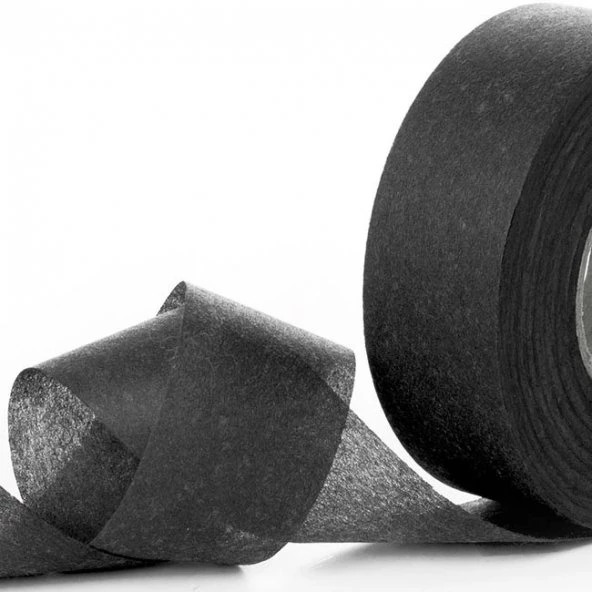


Fabric interlining is an important material for sewing projects. It is used to increase the stability of fabrics, increase their durability and make the seams look neat. This product, which is usually combined with various types of fabrics, is offered in various varieties for different purposes. As Proje Industrial Cut, we make your projects perfect with the best quality fabric interlining options.
What Is the Fabric Fence?
Fabric interlining is a material that is usually light and flexible, used in sewing projects. When applied to the inner surface of the fabrics, this material ensures the stance and shape of the fabric. Interlining not only improves the quality of the seams, but also reduces the risk of damage to fabrics.
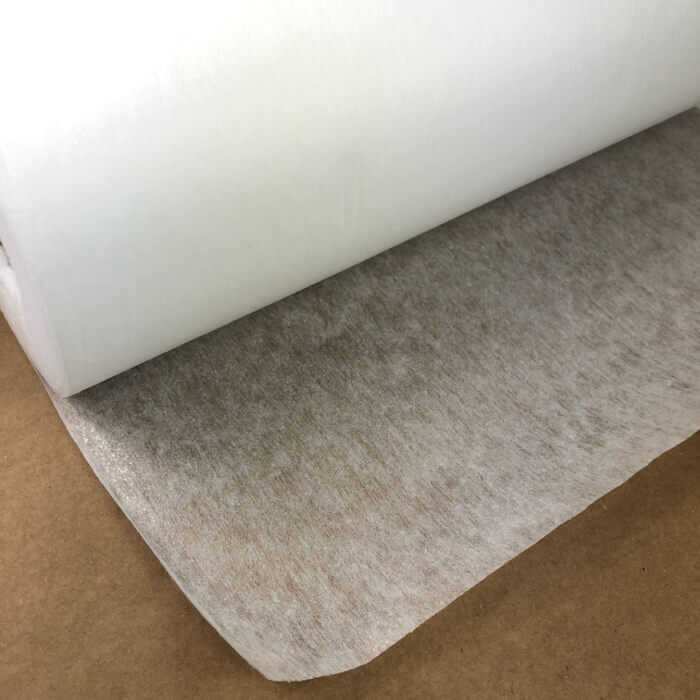
Fabric Interlining comes in many types and weights designed to be used in various types of fabrics. The interlining that we currently have in our stocks is 35 gr. Each is customized according to different sewing projects. Basically, the interlining is produced in harmony with the texture of the fabric, thus helping to achieve ideal results in every project.
The prevalence of the use of this material is due to the fact that it provides an aesthetic appearance as well as quality in sewing works. Fabric interlining is preferred by both amateur sewing enthusiasts and professional tailors.
What Does Fabric Interlining Do?
Fabric interlining offers a versatile functionality in sewing projects. First of all, it ensures that the fabric maintains its shape and does not elongate, while strengthening the seam. This is especially important in terms of maintaining the structure of the fabric during washing and wearing.
In addition, when the fabric interlining is used in sewing projects, it ensures that the mould is revealed more clearly and facilitates the sewing processes more easily. Stitches made using interlining often achieve a more professional and neat appearance.
The fabric interlining also helps to avoid unwanted situations such as curling, shrinkage and deformation. Such advantages make the use of interlining indispensable for sewing projects.
What Are the Types of Interlining?
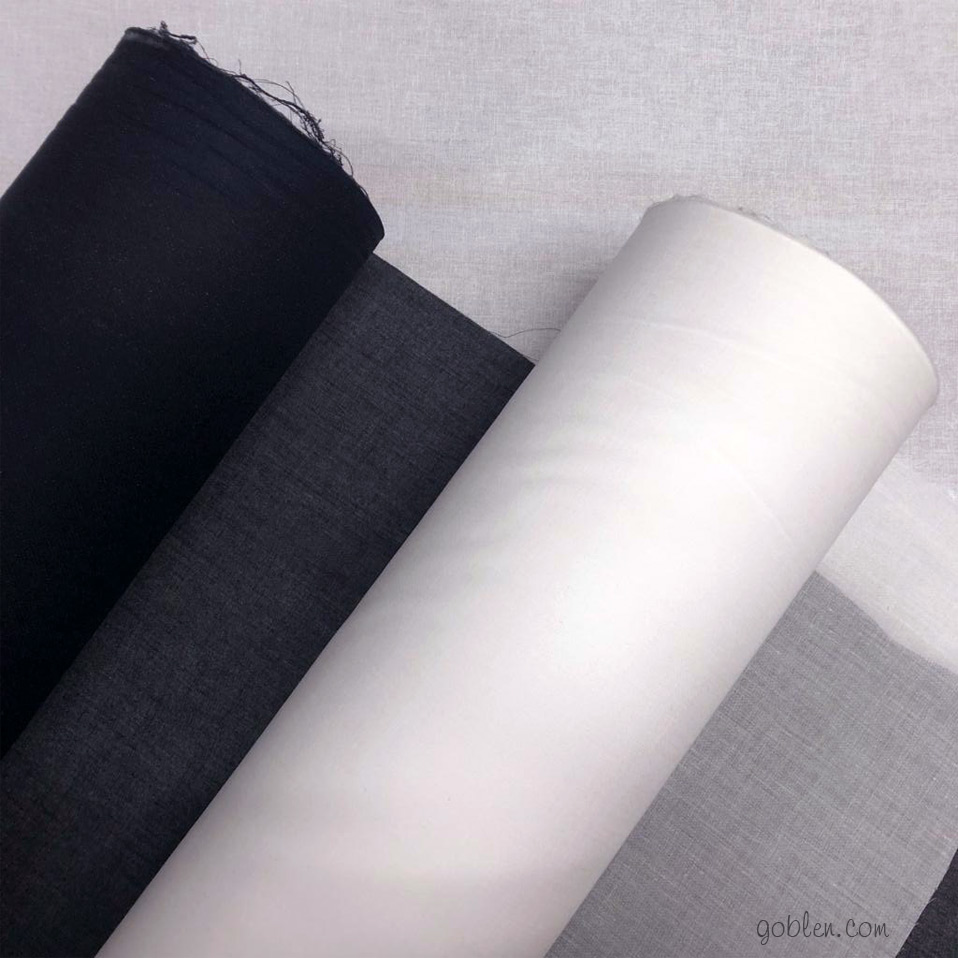
Fabric interlining is available in many different types and features. Usually, the types of interlining that the user will choose according to their needs; It is classified as light, medium and thick. Light interlining is ideal for thin fabrics, while thick interlining is suitable for heavier fabrics.
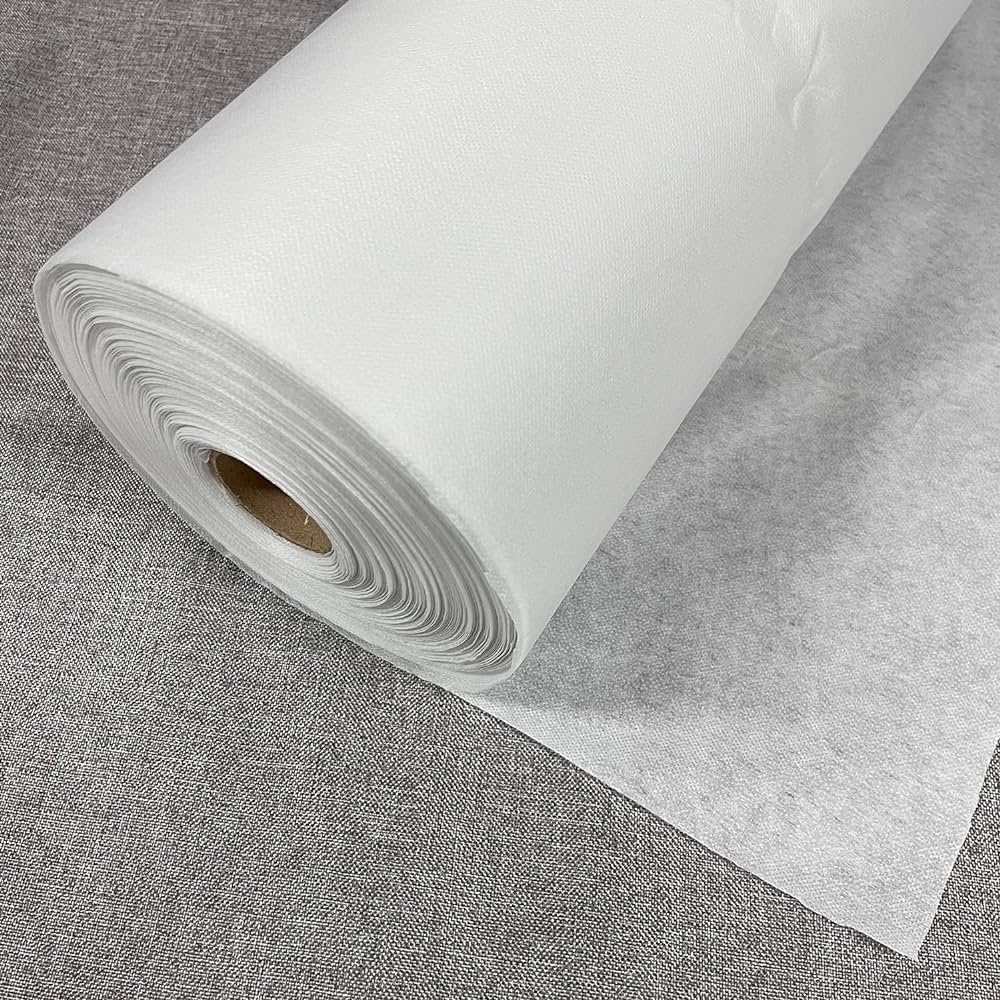
One of the most popular types of interlining is the nonwoven interlining fabric. This type is a material created by bonding and high temperature applications instead of woven. Nonwoven tela is highly preferred in different sewing projects thanks to its water resistance and flexibility.
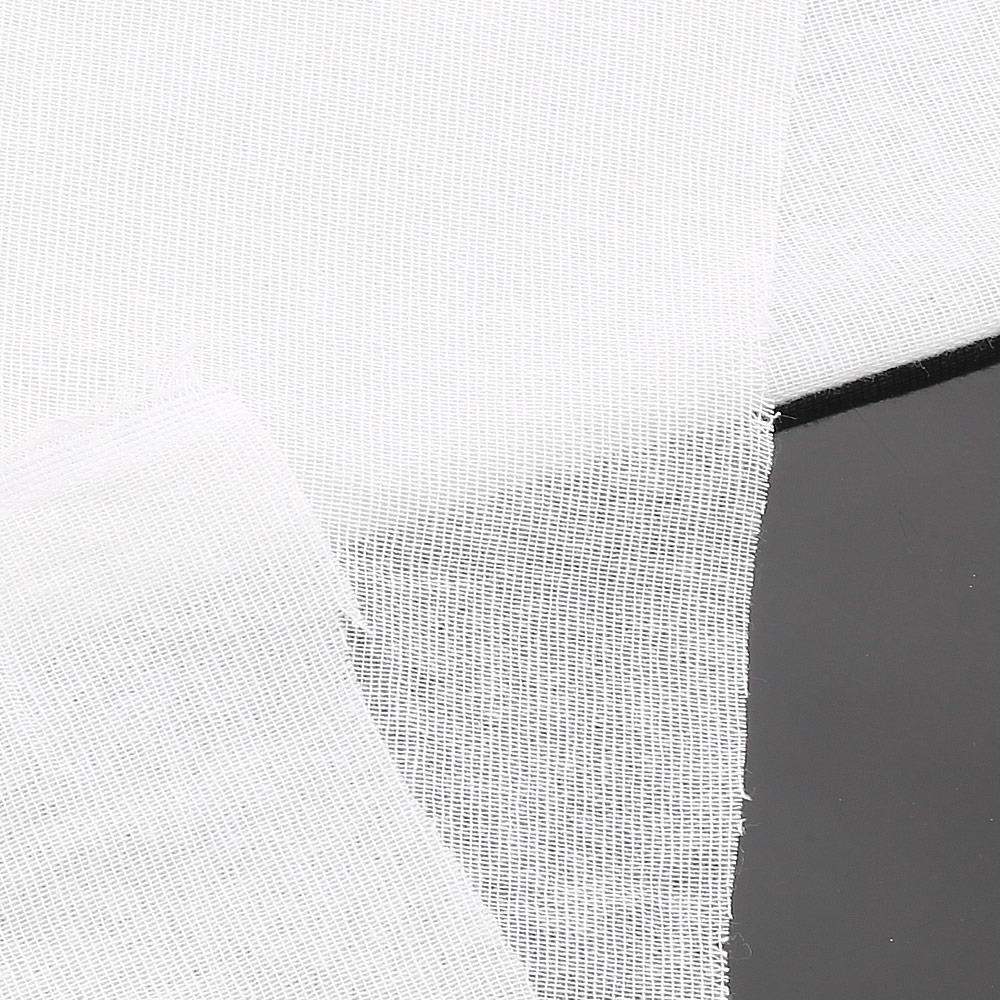
Other types of interlining include thick interlining fabrics, cotton-based interlining and polyester interlining. Each is designed to fit different sewing techniques and types of fabrics, which helps users find the most suitable option for their projects.
Which Fabric Is Suitable for Which Fabric?
Fabric interlining selection varies depending on the type of fabric in sewing projects. Light interlining is preferred for thin fabrics, while thick interlining is recommended for heavier and thicker fabrics. This choice is one of the most important factors that affect the durability of the seams.
In addition, while cotton-based interlining is recommended for cotton fabrics, polyester interlining should be used for polyester fabrics. This type of compatibility ensures that the fabrics work better together and the sewing projects are successful.
In short, knowing which tela you need to apply to which fabric is critical in getting excellent results in your sewing projects. As the Proje Endüstriyel sector, we are ready to inform and assist you about the right interlining selection.
The Role of the Tela in Sewing and Its Advantages
The role of telan in sewing is extremely important in terms of increasing the overall quality of the projects. While making the seams look smooth and aesthetic, it also increases the durability of the fabric. The interlining ensures accurate alignment, preventing the seams from slipping.
Another advantage of tela in sewing is the ease of application. Users can maintain the flexibility of the fabric by using interlining and obtain more robust seams. This method reduces the risk of erroneous application during sewing.
The usage areas of tela are quite wide; It is effectively used in all kinds of sewing projects, from garment making to home textiles. By using fabric interlining, you can achieve aesthetic and functionality in your projects.
Is Fabric Interlining Healthy?
There are some points that should be considered in terms of health when using fabric interlining. In particular, the chemical contents of the interlining material used are important. Interactions made with natural ingredients are usually healthier.
Nonwoven interlining fabrics do not contain heavy metals as they are usually produced by wiring and bonding methods. Therefore, choosing nonwoven interlining in sewing details is a safer option for health. However, the content of each material should be checked.
In addition, adhesives and chemicals used during sewing should also be taken into account. Preferring natural and harmless products is of great importance for both occupational health and the environment. The project prioritizes the safety of users by offering healthy fabric interlining options.
Things to Consider When Choosing Interlining
When choosing interlining, you first need to determine a type of interlining that suits your project’s requirements. There may be changes between the types of interlining, depending on the type of fabric of your project and the intended use. While a light interlining is preferred for a thin fabric, it is necessary to use a tighter and more durable interlining for thick fabrics. Therefore, you can find an option that fits your budget by researching fabric interlining metre prices.
In addition, the quality of the telan should also be taken into account during the selection process. A quality interlining ensures that the seams are less worn and the fabric lasts longer. Nonwoven can make your projects more efficient by offering different features such as special varieties such as interlining fabric, waterproofing, sewing durability. Also, it should harmonize between sewing materials, so it will be useful to know about the types of interlining that have been used before.
Finally, another important point to be considered when choosing interlining is the weaving structure. Some fabrics, when combined with the interlining, gain a firmer appearance, while others provide a smoother flow. This choice made by considering sewing techniques and material features has a great impact on the aesthetics of your final product. So, when choosing interlining, do not forget to take into account your sewing style and the stance of the fabric.
Methods to Ensure That the Telan Is Permanent on the Fabric
An important point in the use of interlining is to ensure that the interlining is permanent on the fabric. For this, first of all, it is of great importance to apply the right bonding techniques. The answer to the question of how to glue the fabric interlining requires careful work to achieve a quality result. Usually, with hot bonding methods, the interlining is firmly glued to the surface of the fabric. Using a heat-resistant iron during this process and applying pressure for the required time supports the good adhesion of the structure of the interlining and fabric.
In addition, choosing the appropriate type of interlining to ensure that the interlining is permanent is also a critical step. Options such as thick interlining fabric give better results, especially when used with heavy fabrics. If your interlining type is a light option, you may need to be careful while sewing. The harmony between the interlining and the fabric is also very important in terms of making your stitches look smooth and aesthetic.
Finally, there are some elements to be considered during the sewing process to increase the permanence of the tela. Making the seam edges properly and cutting the ends without nessing ensures that the contact lasts for a longer time on the fabric. By utilizing professional services such as Proje Endüstriyel Kesim, you can improve the quality of your sewing processes and ensure the permanence of the telan on the fabric.
Our Online Stores


Working Hours
- Monday - Friday
- 08.00 - 18.00
- Saturday - Sunday
- Closed

