Industrial Press Cutting

Industrial Sponge Cutting
The cutting techniques used to meet the special cutting needs of industrial sponges are called industrial sponges. In this process, the sponge material is cut to certain dimensions and shapes with the help of special cutting machines.

Foam Materials Cutting
Foam materials are often cut to specific sizes. Therefore, special machines are used that provide foam cutting services. In this way, it is possible to cut foam materials in accordance with special projects.

Industrial Product Cutting
If our customers want us to cut for us, they are first asked if there is an internal sample or drawing. After the production process is completed, the cutting process is applied according to the desired width and length dimensions and structural features.

Acoustic, Sound Barrier Cutting
As a complementary process, in line with the demands of our customers, a flock coating process is carried out on the acoustic sponge so that the acoustic effect can be removed from a sponge. After this process is completed, the cutting process begins.

Filtration Product Cutting
Filtration products produced in layers are cut to desired dimensions using special machinery and equipment. This cutting process provides a more efficient use by cutting in shapes and dimensions suitable for the area where the products will be applied.

Thermal Insulation Product Cutting
The production of various walls, roofs, flooring and installation insulation materials that include the features that the customers want, including thermal insulation, sound insulation, non-flammability, is produced and professionally cut. These products are produced using industrial cutting techniques and cut in special sizes according to the needs of the customer.

Waterproof Insulation Cutting
Our industrial cutting service, which is all tailored to customer demands, specializes in lamination, shaping and cutting of high quality waterproof materials. We also provide water-tight pipe cover products of the desired diameter and length. We always provide the best service to our customers by keeping quality at the forefront.

Fire-Retardant Product Cutting
Some sponges or felt materials may need to be fire-retardant or flame retardant according to customers’ needs. Our company produces, stocks and cuts various materials for this need. We carry out the cutting process by keeping the quality at the forefront.

Footwear Industry Cutting
It provides services to our customers with economic costs by making the mould cuttings of the sole materials preferred in the shoe and slipper industry. Cutting the materials used in the manufacture of shoes and slippers in quality and correct dimensions is extremely important in terms of product quality and customer satisfaction.

Hobby and Occupation Sector
We serve our customers in the special sizes of materials such as felt and artificial leather, which are frequently preferred and increasingly popular in the hobby industry.
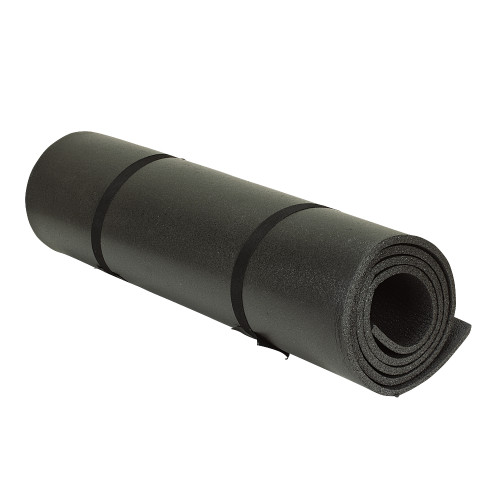
Sport and Entertainment Industry
It is a material with high thermal insulation values, moisture resistant, sweat-resistant, flexible and elastic structure. Since it has a closed cell structure, it does not allow liquid and gas passage. It can be used in heat, sound and vibration insulation, insulating pipes and ducts.

Structure
Industrial Sector Cutting
Our company offers special solutions to customer demands in the cutting processes of materials such as sponges and rubber products, which are frequently preferred in the construction sector.

Bondex Sponge Cutting
It is available in rolls or sheets of certain densities and of various thicknesses. As an industrial cut, we make shaped press cuttings of these sponges that we keep in stock.

Promotional Sector Cutting
By choosing the products used in the promotion sector, it creates the in-box layout design of the products, supplies and cuts the materials to be used.

Home and Cleaning Sector Cutting
The products produced by the industrial sector do not only appeal to industry and industry. Sponges, which have a very different usage area, are also preferred in the home and cleaning area.

Textile Industry Cutting
Industrial cutting has become the leading company of the sector in the production and cutting processes of artificial leather, thermo fibre and polyester felts and many other materials, which are especially preferred in the flooring industry. By offering different solutions, we make quality and advantageous prices our top priority, and we always serve our customers under all conditions.

Safety and Security Sector Cutting
In the security sector, robust and hard products are frequently needed, and materials such as barrier composite sponges and kevlar are preferred in this area.
Industrial Press Cutting: Efficient Solutions
Industrial press cutting is a cutting technique that is widely used in industrial production. This process is carried out by cutting materials under high pressure, and usually styling is achieved using blade moulds and special moulds.
In modern factories, industrial press cutting is frequently preferred to increase efficiency and accelerate the processes in the production line. Press cutting, which has found a wide range of uses from accessories to the automotive industry, has become an indispensable part of the production process.
What Is Industrial Press Cutting?
Industrial press cutting is a production method applied to ensure the precise cutting of metal, plastic, EVA, sponge, foam and other materials by using special and cutting dies. This method is used to bring the materials into the desired shape by applying high pressure. Press cutting machines can be used at various stages along the production line and provide large quantities of material cutting.
This process is extremely important, especially for companies engaged in large-scale production. Having a high production speed and repeatability makes industrial press cutting preferable. Proje Endüstriyel Kesim we meet the needs of the sector by specializing in the cutting of light and heavy materials. Cutting with a mould provides design flexibility in the production process and allows the creation of various shapes.
Industrial press cutting applications can also be used in high precision projects. This makes it an ideal choice for sectors that require tight tolerance, such as the automotive industry. Material types and cutting thicknesses can directly affect the efficiency and results of the cutting process.
Press Cutting Techniques
Press cutting is carried out with various techniques. Among the most common of these techniques are die-cutting, hydraulic press use and pressurized press. Cutting with die is the use of moulds specially designed to create a certain shape of the material. In this way, a wide variety of geometric shapes can be obtained.
Hydraulic pressIt is frequently used, especially in the cutting of large and heavy parts. The ability to cut materials by applying high power makes such machines indispensable in industrial production lines. Hydraulic Press provides its users with the possibility of obtaining a smooth cutting surface while saving material.
Abkant press, on the other hand, is preferred for cutting thinner and lighter materials. These machines provide high precision, especially in metal cutting.
In Which Sectors Is It Used?
Industrial press cutting has a wide application area in many sectors and is used in different fields from automotive production to packaging industry. The automotive industry widely uses press cutting techniques in the production of parts that require high efficiency and precision. In this sector, the cutting of durable and light materials is of great importance and industrial press cutting is ideal to meet this need.
The packaging industry is one of the most important uses of industrial pressing. The variety of materials and cutting shape options allow packaging companies to offer more aesthetic and functional products to their customers. As a company, we have a wide range of services by processing various materials in the packaging industry.
The leather industry also benefits from industrial press cutting applications. The high precision in the cutting of leather products directly affects the quality of products in this sector. Press cutting is an effective method for bringing leather pieces to the desired shape. In all these sectors, it is aimed to optimize cutting processes and increase production efficiency.
Advantages and Disadvantages of Press Cutting
Industrial press cutting has many advantages. First of all, having a high production speed allows it to cut large quantities of material. This, in turn, contributes to the reduction of costs by accelerating the production processes. At the same time, the cutting quality is also quite high; In this way, the amount of waste after processing decreases and productivity increases.
On the other hand, press cutting also has disadvantages. The design and manufacture of special moulds can initially incur high costs. There may be limitations on flexibility, as it requires new moulds to produce different shapes. In some cases, high material thicknesses may require more power and energy, which can increase operating costs.
However, the advantages of industrial press cutting application often tend to overshadow their disadvantages.
Cutting process and application examples
The cutting process with die is one of the most common and effective examples of industrial press cutting methods. This process involves the use of specially designed moulds to obtain a specific shape. Mould design plays a critical role in the cutting stage, and correctly designed moulds increase production efficiency, ensuring the desired results.
As an example of application, cutting with die cutting can be used in the cutting of engine parts in the automotive industry. The design and use of special moulds is important, as such parts require high durability and precision. While this process reduces the faulty production rate, it also helps to accelerate the production process. Our company specializes in such cutting processes in the automotive sector and maximizes customer satisfaction.
In the packaging industry, die cutting is widely used. For example, processes such as box cutting and shaped packaging production are carried out using special moulds. In this way, the aesthetic and functional properties of the packaging are increased. Cutting with die is an effective method to reduce material waste and increase production speed.
Industrial Press Cutting Machines: Species and Features
Industrial press cutting machines are designed in different types and specifications. These machines aim to facilitate the cutting process as well as to increase production efficiency. Among the most common machines are the hydraulic press, mechanical press and press press. Each type of machine offers features suitable for different applications.
Hydraulic presses are ideal for cutting operations that require high force. These machines provide the force required to cut the material by using hydraulic systems in power transmission. Mechanical presses are preferred for cutting lighter and thinner materials. These machines often offer faster operation and lower cost advantages.
Abkant press is preferred especially in metal bending and cutting processes. These machines provide high precision with certain angles and cut depths. Various cutting machines designed to suit the needs of users play an important role in increasing the efficiency of the production lines. In this way, businesses can obtain customized solutions according to different sectoral needs.
Packaging Industry Cutting Services
The packaging industry is one of the most beneficial areas of industrial press cutting methods. Cuttings made using industrial presses increase the durability of the packaging and offer an aesthetically stylish appearance. Press cutting techniques are widely used, especially in the production of boxes, containers, labels and specially shaped packages.
Project Industrial Cutting, by offering special cutting solutions for the packaging industry, it provides its customers with the opportunity to market their products more effectively. Since the mould cutting process is carried out with high precision, it makes it possible to process every packaging product perfectly. This helps brands to differentiate themselves and reach their target audience.
Press cutting techniques used in the packaging industry are of great importance not only in functionality but also in terms of aesthetics. Appearance is an important factor that affects consumers’ purchasing decisions. For this reason, packaging manufacturers invest in industrial press cutting processes to create quality and attractive packaging designs.
Press Cutting vs Laser Cutting: Which Is Suitable for You?
Press cutting and laser cutting are two common cutting methods in industrial production. Both methods have different advantages and disadvantages. While pressing offers high speed and efficiency in large quantities of material cutting, laser cutting gives an advantage in producing more detailed and complex shapes. Therefore, which method will be preferred varies depending on the requirements of your project.
Press cutting is usually a lower-cost option and is ideal for large-scale productions. It increases the production speed by cutting material under high pressure. However, the necessity of special moulds for press cutting can increase initial costs. On the other hand, laser cutting offers a more flexible process and allows for the rapid production of complex designs. Therefore, if your project requires large volume production, press cutting can be an ideal option. However, laser cutting may be preferred if you have special and detailed design requirements.
Types of Materials Used in Pressing
Industrial press cutting can be applied with various types of materials. Generally, materials such as metal, plastic, foam, EVA, leather and XPE are widely used in press cutting processes. Each material has different features and application areas and varies according to the sector. For example, while the cutting of metal and plastic materials is at the forefront in the automotive sector, lighter materials are frequently preferred in the packaging sector.
Foam and EVA are especially ideal for packaging and protection products. These materials are resistant to impacts as well as being lightweight. Press cutting provides high capability and precision during cutting such materials. Press cutting, which is more cost-effective compared to the laser cutting method, is preferred for the production of large quantities of products.
Special materials that can be processed with press cutting are also used in other sectors such as leather industry. While leather attracts attention with its quality and durability elements, the press cutting process is an effective method to bring the leather to its desired shape.
Factors Affecting Press Cut Prices
Industrial press cutting prices are influenced by many factors. First of all, the type and thickness of the material to be cut directly affect the prices. Cutting metal materials often requires higher costs, while for thinner and lighter materials, prices may be more affordable. In this case, the types of machinery and cutting techniques used in the production process must also be taken into account.
The design and production of the moulds required for the cutting process are also an important factor affecting pricing. Initial costs may increase in projects that require special moulds. However, the efficiency provided by these moulds in the long run can reduce total costs.
Our Online Stores


Working Hours
- Monday - Friday
- 08.00 - 18.00
- Saturday - Sunday
- Closed

