Cardboard Divider Separator
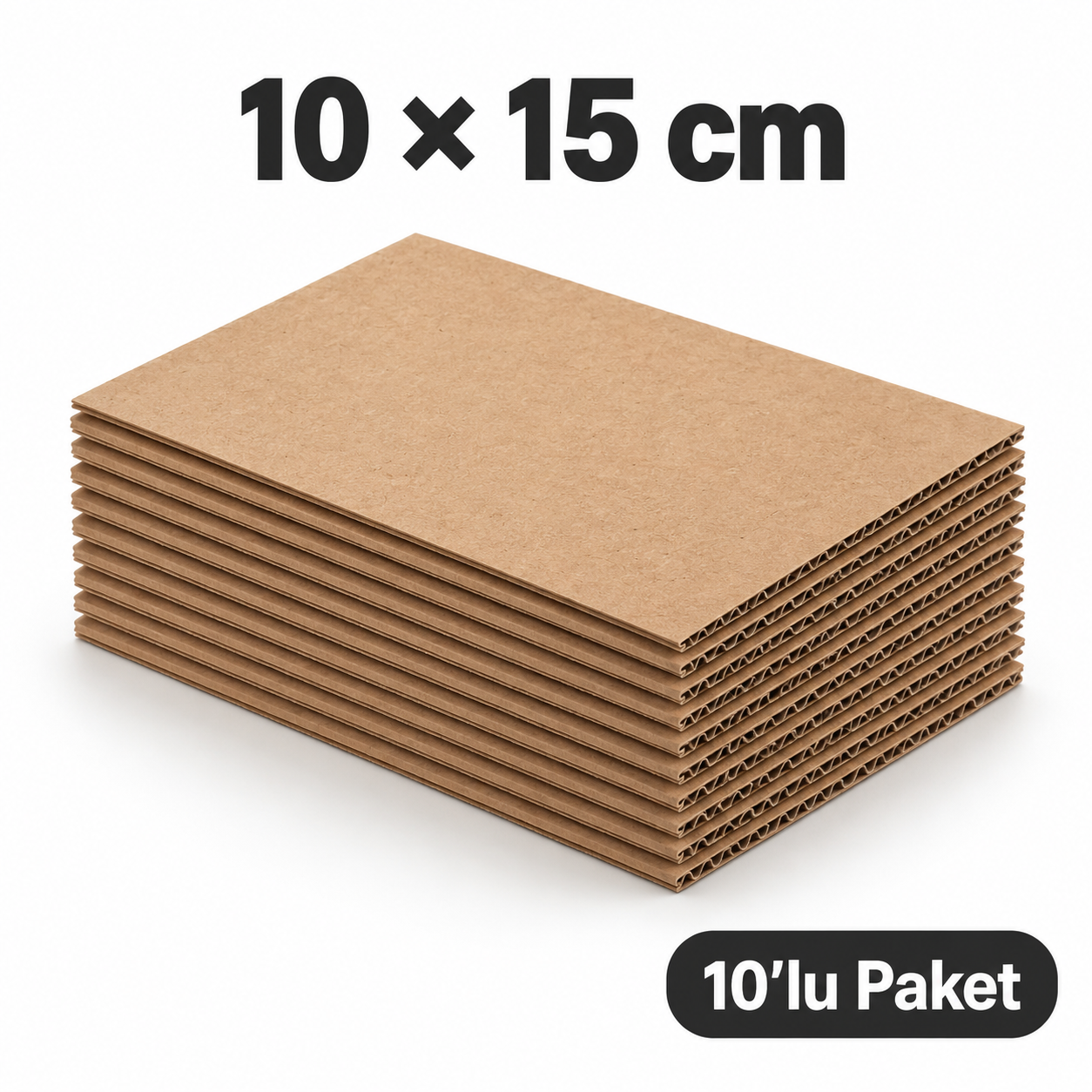
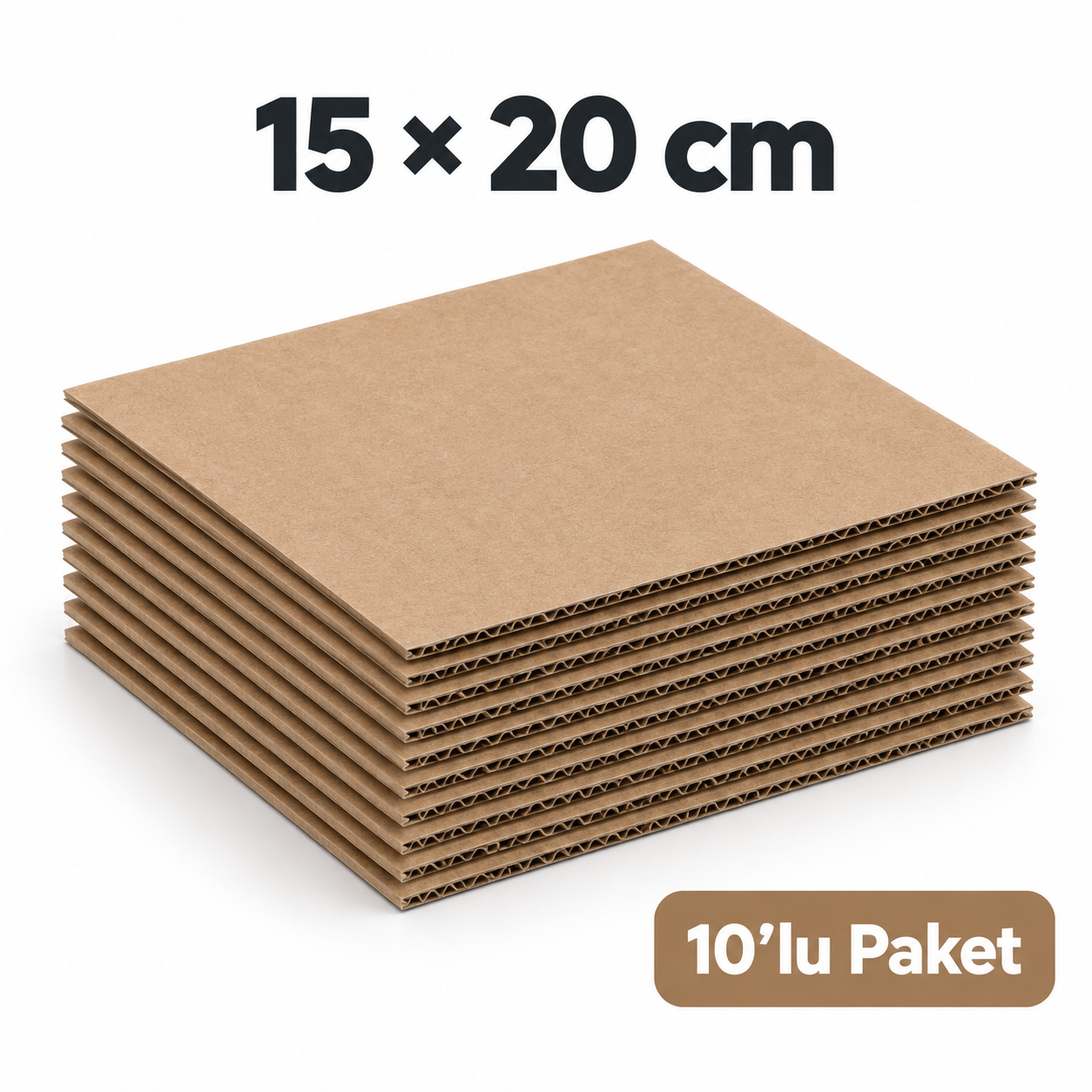
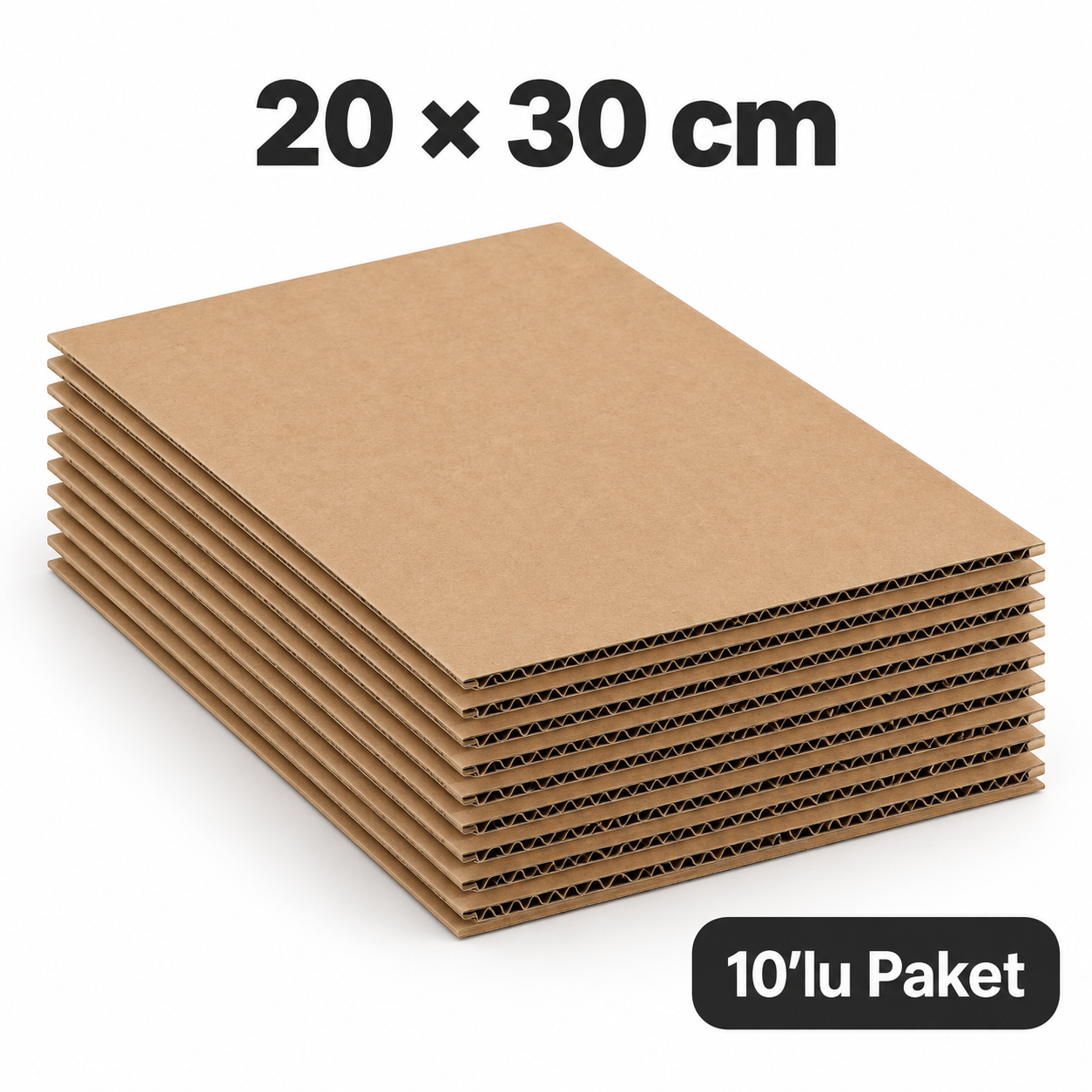
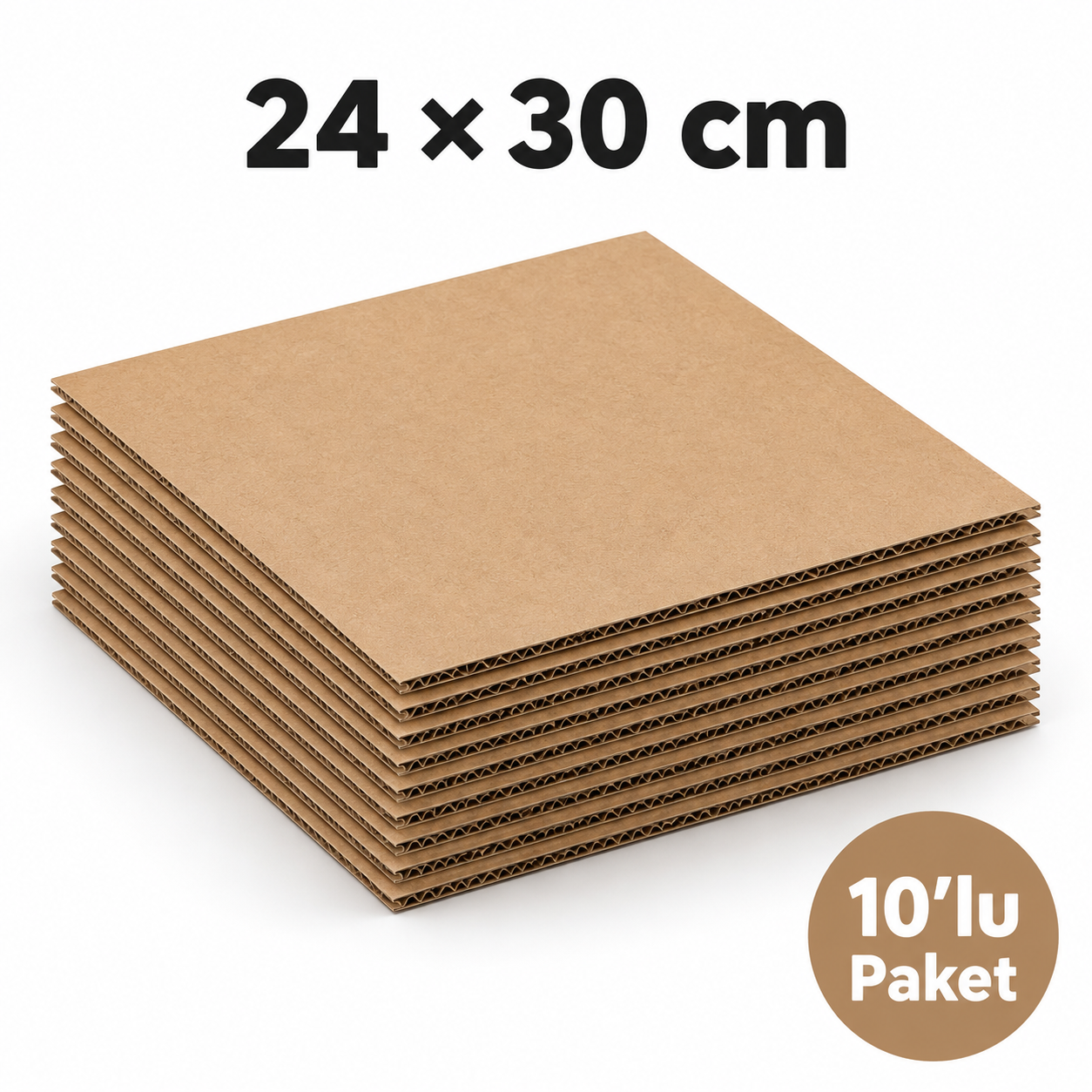
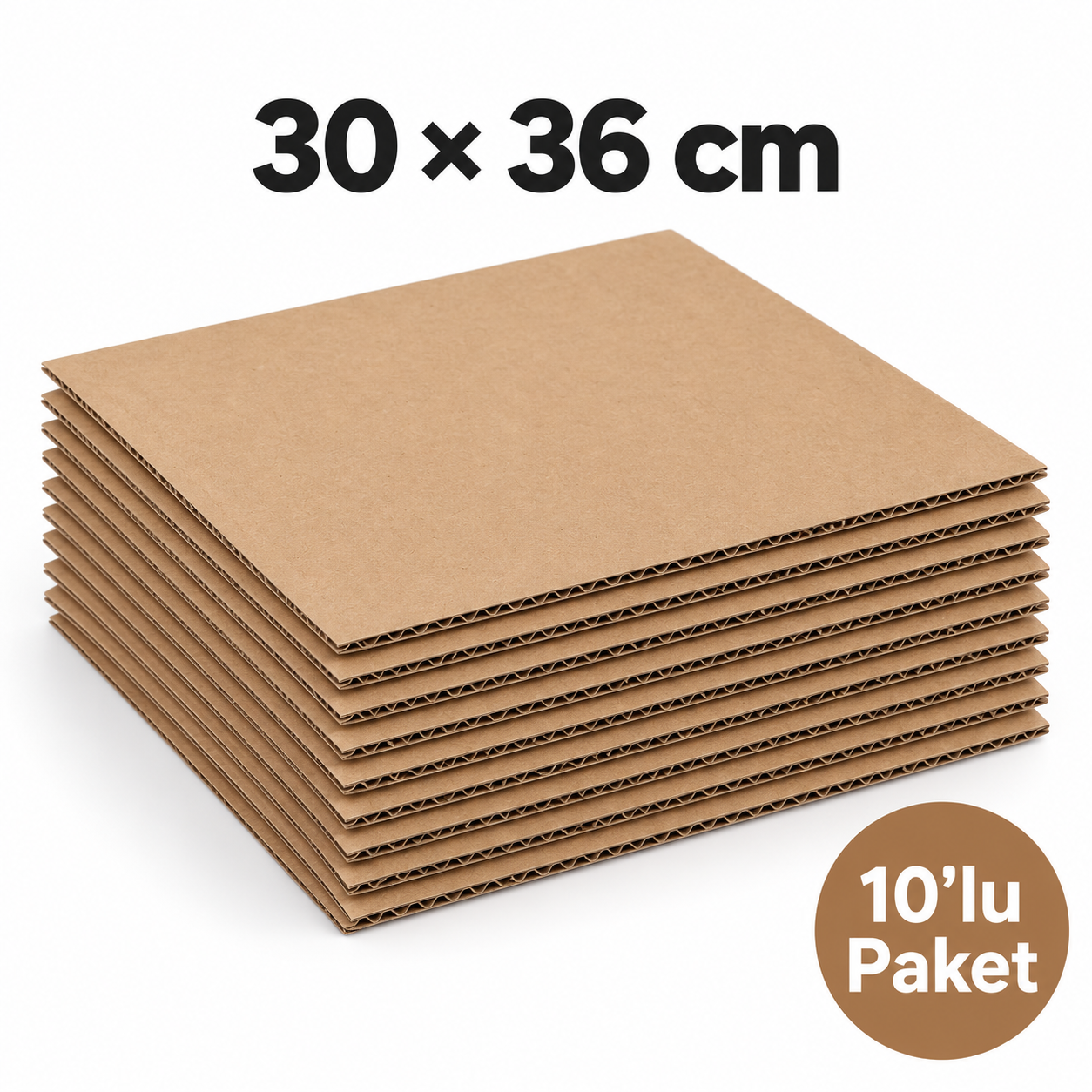
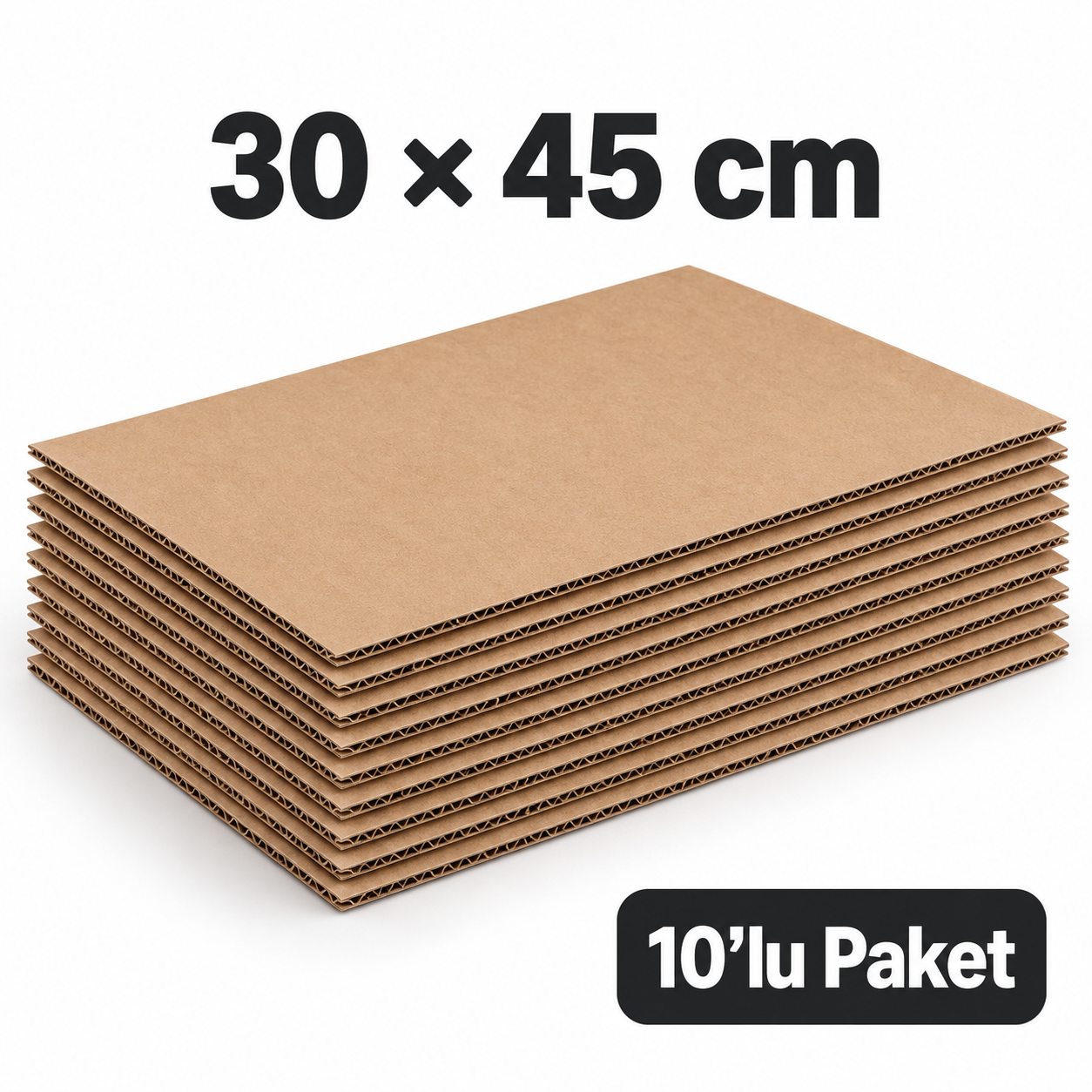
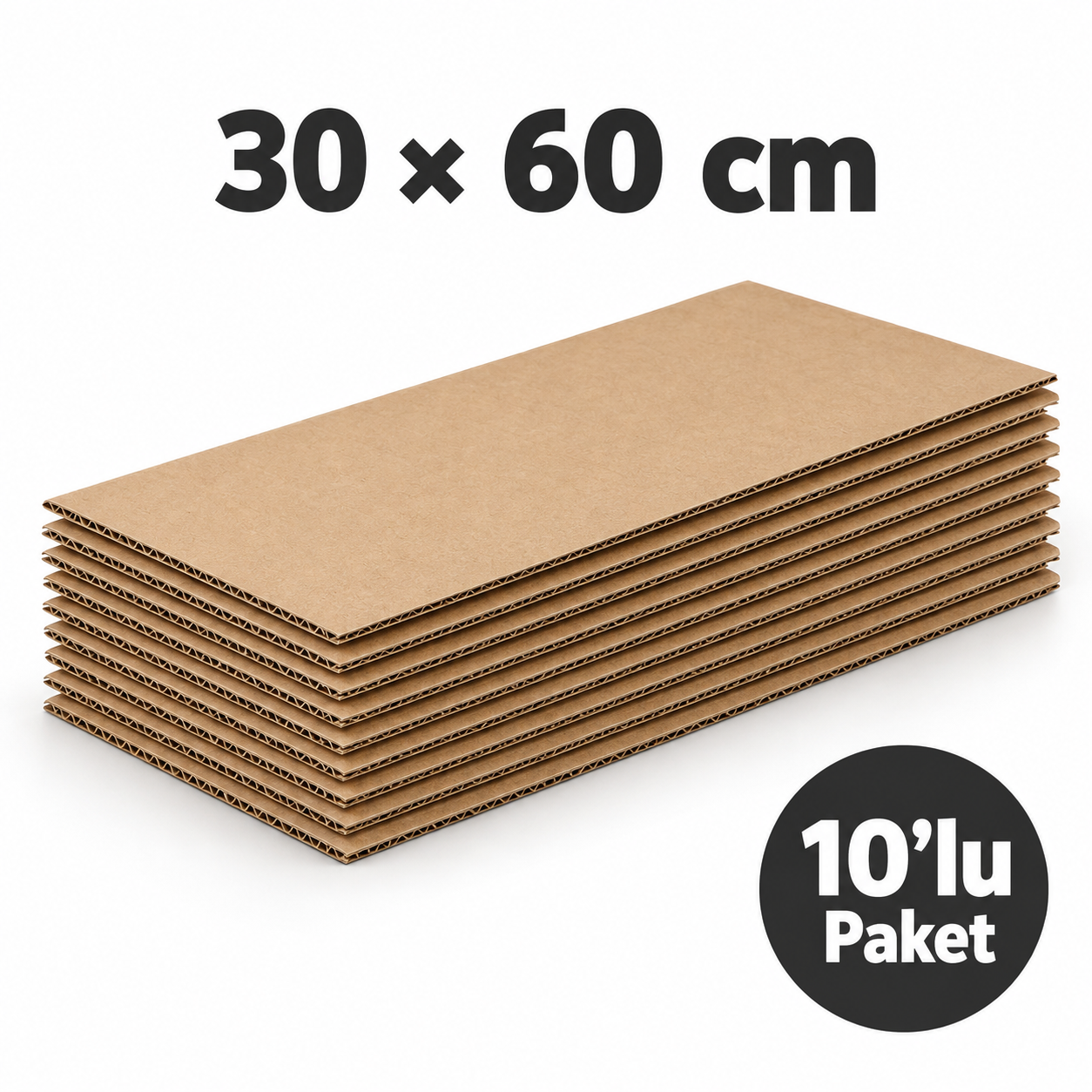
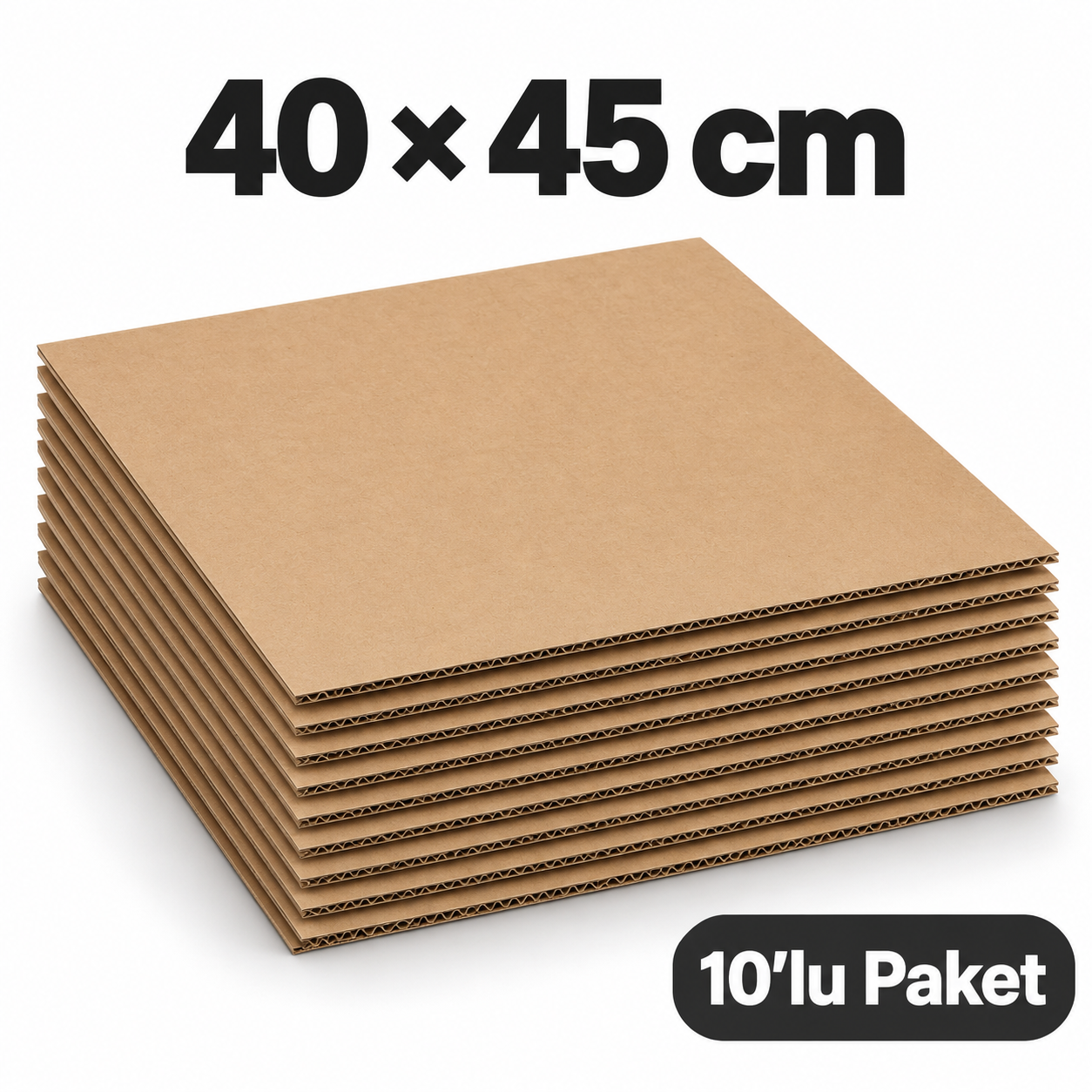
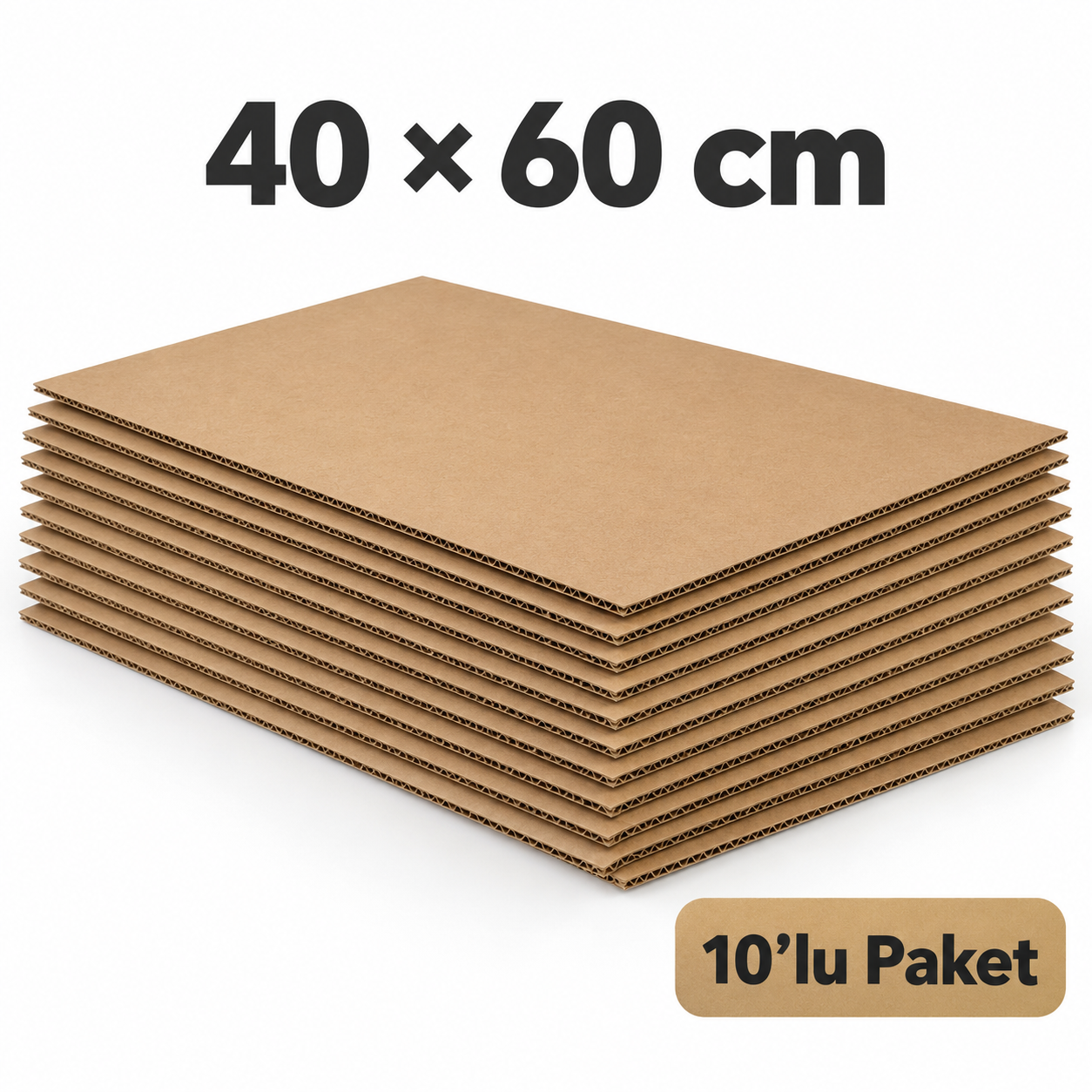
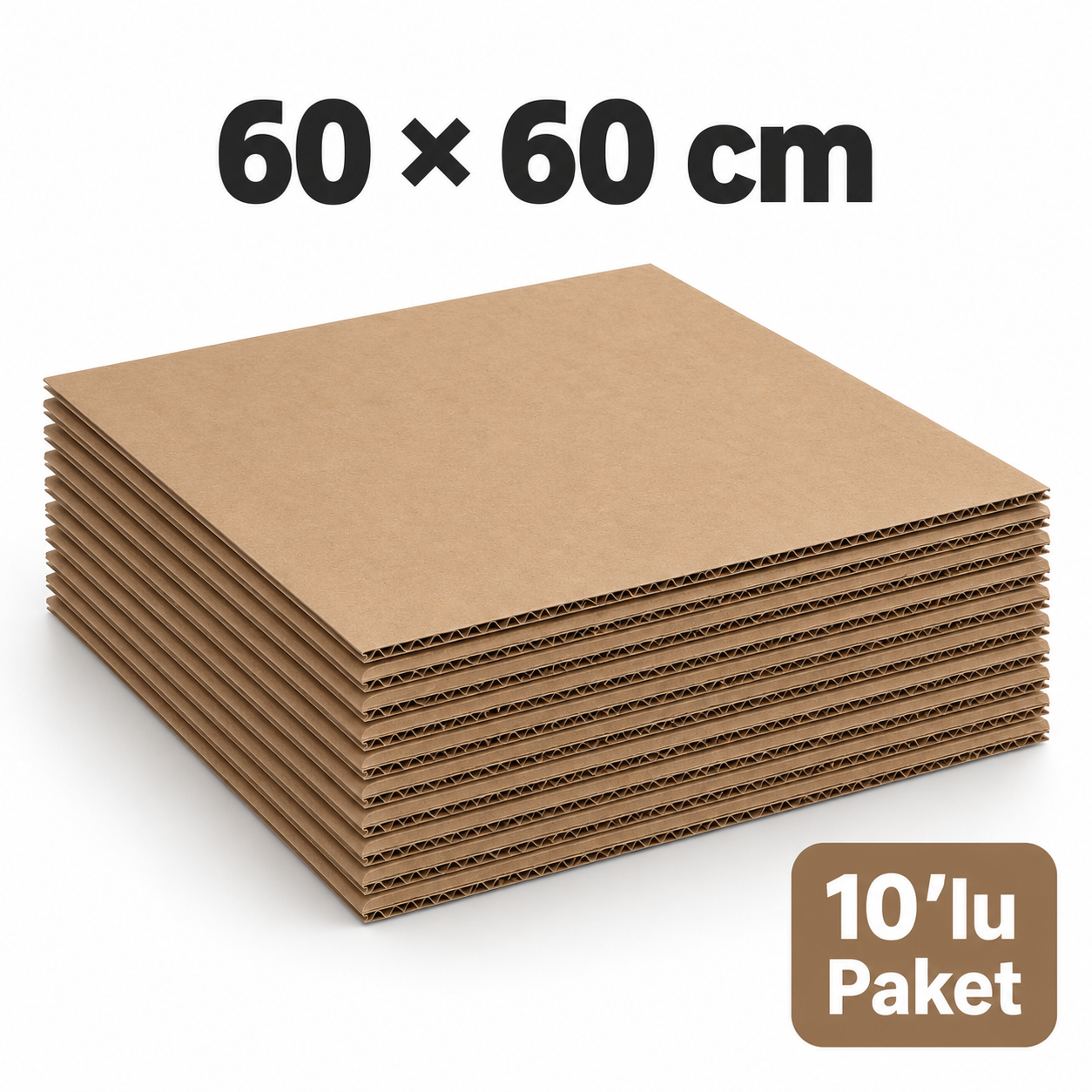
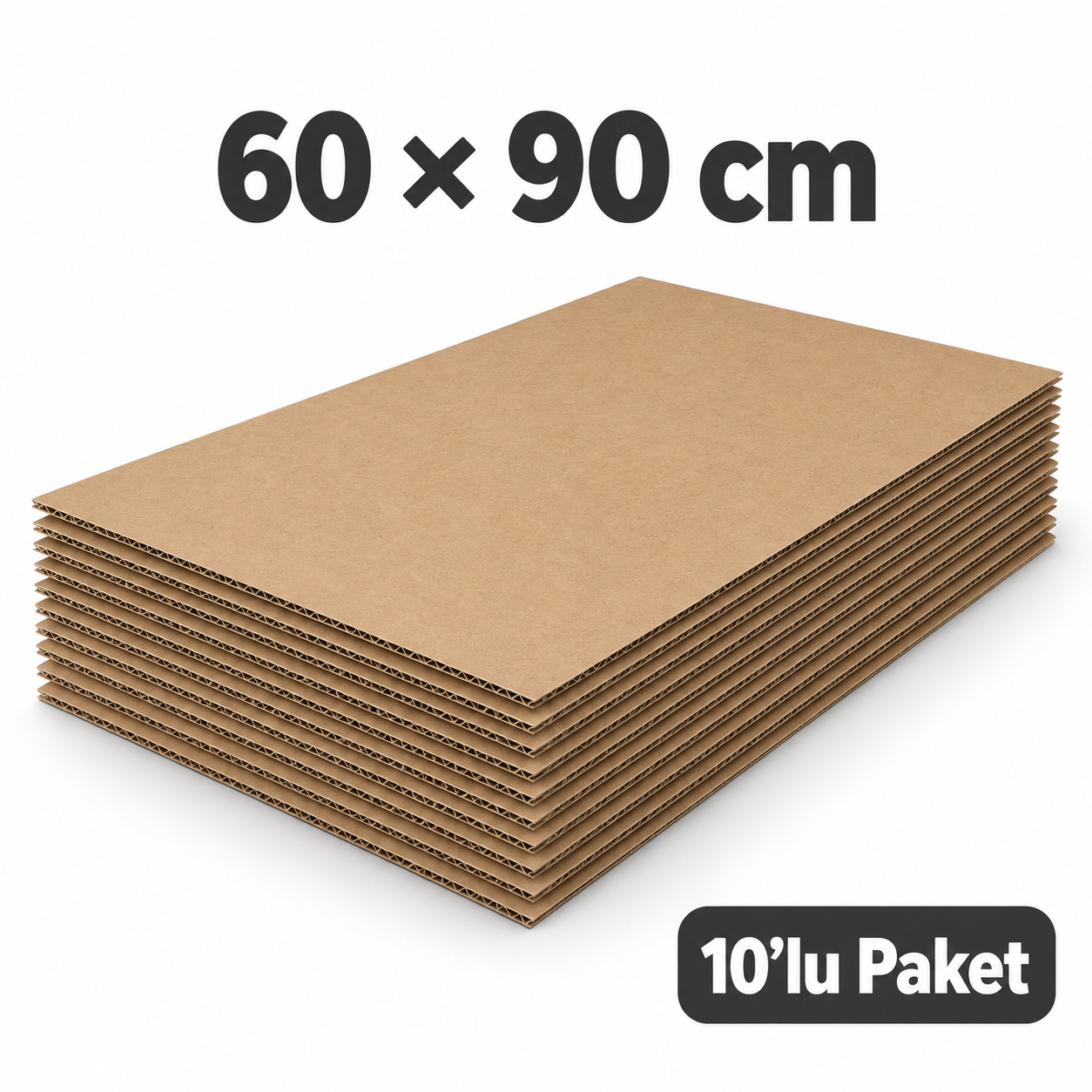
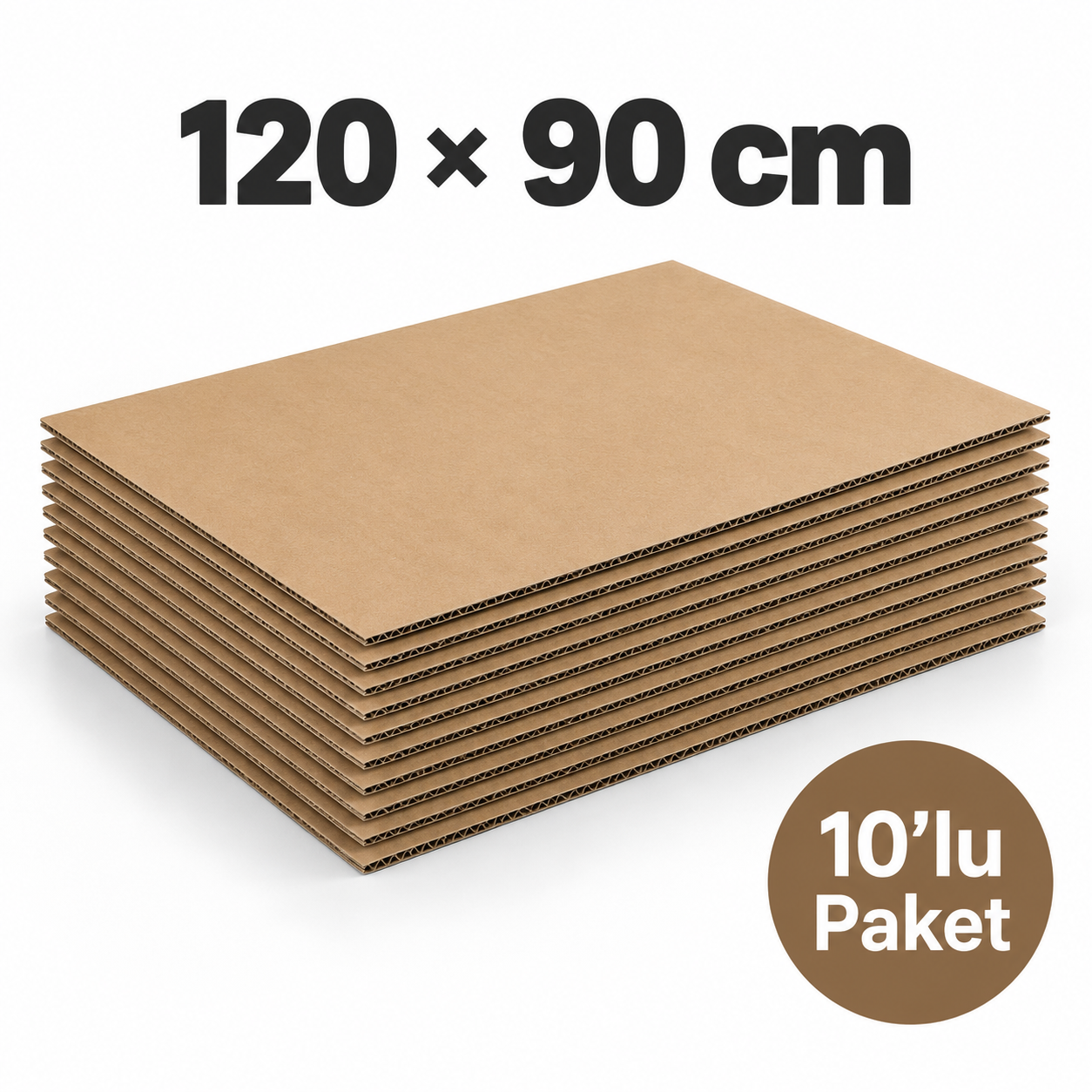
The intermediate cardboard is a cardboard packaging component used to separate the products from each other in the parcel, case, or pallet, to create a carrier surface between the layers and to reduce the contact, friction and impact effects that occur during transportation. Proje Endüstriyel Kesim we produce standard and special size cardboard separators for packaging companies, logistics companies and production facilities. On this page, you can find the technical features of the cardboard divider, material options, cutting methods and elements that determine the price.
What Is a Cardboard Divider? Purpose of
The short answer to the question of what is a cardboard separator is this: It is a cardboard sheet that divides the inside of a package into compartments or is placed between the layers of the product lined up. Intermediate Separator Cardboard, the inner layout of the packaging, not the outer structure. For this reason, it is as decisive as the outer parcel in terms of product safety.
Usage purposes can be grouped under four headings. The first is contact prevention: surfaces such as glass bottles, ceramics or painted metal parts are scratched or broken when delicate products touch each other. The cardboard separator separator eliminates this contact by keeping each product in its own compartment. The second is the load distribution: the intermediate plate in the overlapping boxes or layers inside the chassis, spreading the upper weight properly to the lower layer and reducing point crushing. The third is fixing: products are prevented from slipping in the box, thus reducing the risk of damage to vibration and sudden braking. The fourth is order and counting: the split structure provides rapid control of the number of products and standard placement in the filling line.
To give a concrete example, when a carton with 24 glass bottles is not used, the bottles constantly collide with each other during the transport. When the 4×6-segmented separator is placed in the same box, each bottle stays in a separate cell and the impact energy is damped by the cardboard walls. Similarly, in cases where automotive spare parts are transported in layers on the pallet, the flat intermediate plate placed between the folds both protects the surface of the parts and increases the balance of the stack.
What Are the Technical Specifications of the Cardboard Divider?
The performance of an cardboard divider determines the material type, thickness, weight, wave (groove) structure and surface properties. These values are selected according to whichever load the cardboard separator will carry in the packaging.
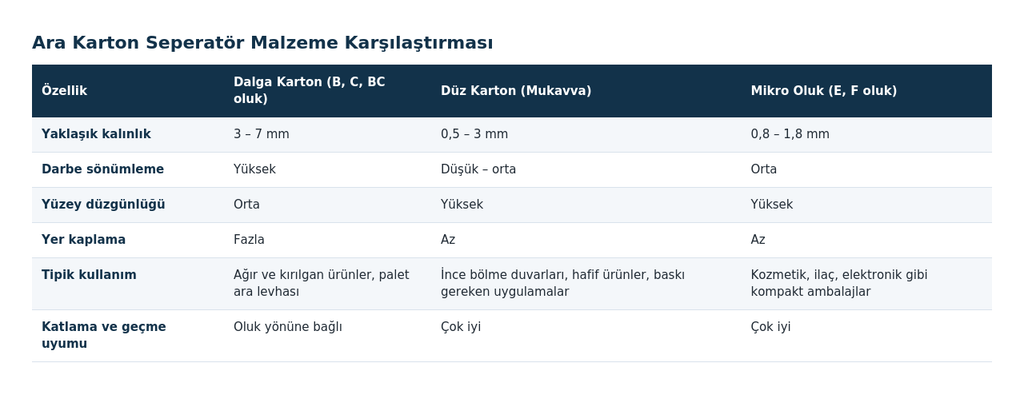
In terms of material, the three main groups are: Wave cardboard (corrugated cardboard), flat cardboard (grey or kraft-surfaced cardboard) and micro-grooved cardboard. In the table below, we compared these materials in terms of separator use.
Wave cardboard provides the best protection against impact thanks to the corrugated layer between two flat surfaces. While single-wave (3-storey) structures are sufficient for general use, double-wave (5-storey) structures are preferred for heavy loads and long-distance transports. Flat cardboard, on the other hand, takes up less space in the box because it is thinner; It is suitable when the number of compartments is large and the weight of the product is low. The micro groove offers a balance between these two: despite the thin profile, it provides better impact absorption than flat cardboard and its surface is suitable for printing.
Apart from these, the technical parameters taken into account are as follows: Weight (g/m²), explosion and edge crushing strength, trough direction (opening of slots in snap separators directly affects the strength), moisture resistance and, if necessary, surface coating. The use of water-repellent or laminated cardboard in cold chain or damp storage conditions is important in terms of maintaining the shape of the separator.
In Which Sectors Is the Cardboard Divider Used?
The industrial cardboard separator is used in any area where the product should be fragile, sensitive or standard placement of the product. The main uses are:
Food and beverage: Separators with compartments in the separation of glass bottles, jars and tin cans in a parcel; In the pallets that come out of the filling facilities, intermediate sheets between the layers are used.
Cosmetics and personal care: For perfume, cream jar and packaged products, micro groove or flat cardboard separator is preferred for both protection and regular placement before shipment.
Pharmaceuticals and Medical: For fixing vials, ampoules and bottles, precision-cut compartment structures are required.
Automotive and spare parts: In order not to scratch the metal parts and to separate them on a type basis, wave cardboard intermediate sheets and compartmented cases are used.
Electronic and white goods: In the transport of parts and modules, shock absorbing compartments come to the fore.
Glass, ceramic and building material: Double-wave cardboard separators are common in these products, where the risk of breakage is high.
Logistics and e-commerce: Packaging Separator Carton in mixed product shipments and in-warehouse stacking ensures that the products remain in place throughout the shipment.
What Are the Types of Cardboard Dividers?
Cardboard dividers are divided into several basic types according to the way they are used.
Flat intermediate sheet (layer separator): It is a one-piece sheet placed between the product layers in the pallet or parcel. Provides load distribution and surface protection.
Cross snap-on (honeycomb) separator: It is a partitioned structure formed by intertwining the strips with half-sized slots on them. It is produced in different cell patterns such as 2×3, 3×4, 4×6; It is the most common type in bottle and jar packaging.
Folded compartment: It is the folding of a one-piece cardboard and forming a partition in the form of U or Zigzag. It is fast to assemble and requires fewer parts.
Perforated or windowed sheet: They are sheets that are drilled in such a way that the neck or body part of the product will pass. It is used for vertical fixing of bottles.
Coated and specialized surface separator: They are types that are laminated or coated against moisture, oil or wear.
Printed Separator: Separators with product code, placement instruction or logo printed; It is preferred to reduce the margin of error in the filling line.
Is It Possible to Produce Special Size Cardboard Dividers?
Yes. Since standard dimensions do not fit every packaging, special size cardboard separator production is the most frequently used solution in this product group. After determining the inner dimension of the box, the diameter or dimensions of the product, the number of compartments and the height of the compartment, the separator is designed exactly according to these dimensions.
Special sizes are the points of attention in production: the compartments should be designed with tolerance that will not compress the product but leave no gaps; The height of the separator should be at a level to protect the most sensitive area of the product; Material selection should be made according to the weight of the product and the transportation conditions. In our Proje Endüstriyel Kesim company, the sample is taken from the sample product or technical drawing, if necessary, the prototype is cut and tested in the parcel, and then mass production is started.
The repeatability of the same size is important in bulk orders. Cardboard Separator Cutting files are archived for bulk order requests, so that the same product can be reproduced in subsequent orders without any difference in size.
Cardboard Divider Cutting Methods
Cardboard separator cutting method; It is selected according to the quantity, size precision, material thickness and the complexity of the design.
Digital (with CNC blade) cut: Knife on computer-controlled table directly applies the drawing file. Since there is no mould cost, the sample is suitable for prototype and low-medium work. Slot, hole and bigi (folding trail) operations can be done in one go.
Blade Die (Press) Cutting: It is cut under the cardboard press with the cutting die specially prepared for the product. After the mould is made once, the unit time and cost in high quantities decreases; For this reason, it is preferred for mass production and bulk orders.
Guillotine and strip cutting: It is a fast and economical method for products that only need to be cut in rectangular form, such as flat intermediate plates.
Laser cutting: It can be used in thin cardboard and detailed forms. However, it is not always suitable in food and cosmetic packaging, as burn marks can occur on the edges.
Which method to use is determined after the order quantity and design become clear. For example, digital cutting for a trial shipment of 200 pieces and a blade die cutting for a regular order of 20,000 pieces gives more efficient results.
Cardboard Divider Prices
Cardboard divider prices are calculated not on a fixed list, but according to the technical specifications of the order. The main factors affecting the price are: material type and thickness (wave, straight or micro groove; single or double wave), the size of the separator and the number of compartments, whether the cutting method and mould is required, additional processes such as coating or printing, order number and delivery time.
As the quantity increases, the unit price usually decreases; Especially in moulded cutting, the unit cost is significantly reduced in bulk orders, since the cost of moulds is divided into total. For accurate pricing, you can request a quote from us as Proje Industrial Section with the inner size of the parcel, product information, division order and estimated quantity information.
Frequently Asked Questions
What is a cardboard divider?
The intermediate cardboard is a cardboard packaging component used to separate the products in the separator, parcel, case or pallet or to create a carrier surface between the layers. It reduces the contact, sliding and impact damage of products.
In which sectors is the cardboard divider used?
It is widely used in food and beverage, cosmetics, pharmaceuticals, automotive spare parts, electronics, glass and ceramics, as well as logistics and e-commerce sectors.
Can a special sized cardboard divider be produced?
Yes. Special size is produced according to the inner size of the box, the product size and the division layout. When necessary, the prototype is prepared before mass production and the measure is verified.
How to cut cardboard separator?
According to the number and design, one of the digital CNC blade cutting, blade die (Pres) cutting, guillotine or laser cutting methods is used. Digital cutting in low quantities, high-moulded cutting is more efficient.
How to determine cardboard divider prices?
Price; It is calculated according to the type of material, thickness, size, number of compartments, cutting method, additional processes and number of orders. Unit cost decreases in bulk orders.
What does the cardboard separator do in the packaging?
The cardboard separator divides the products into compartments in the packaging, provides load distribution between the layers, prevents the products from slipping and reduces the risk of breakage, scratching and crushing that may occur during transportation.
Our Online Stores


Working Hours
- Monday - Friday
- 08.00 - 18.00
- Saturday - Sunday
- Closed

