Electronic Device In-Box Protection Design: Custom Foam Cutting Solutions
One of the most critical risks in the process of electronic devices from production to the end user is the impact, vibration and friction damages that occur during transportation and storage. Electronic device in-box protection design minimizes these risks with foam cutting solutions specially prepared for the geometry of the device. As industrial cutting, we offer special size foam protection systems produced with die cutting and wire cutting technologies for electronic manufacturers, distributors and logistics companies.
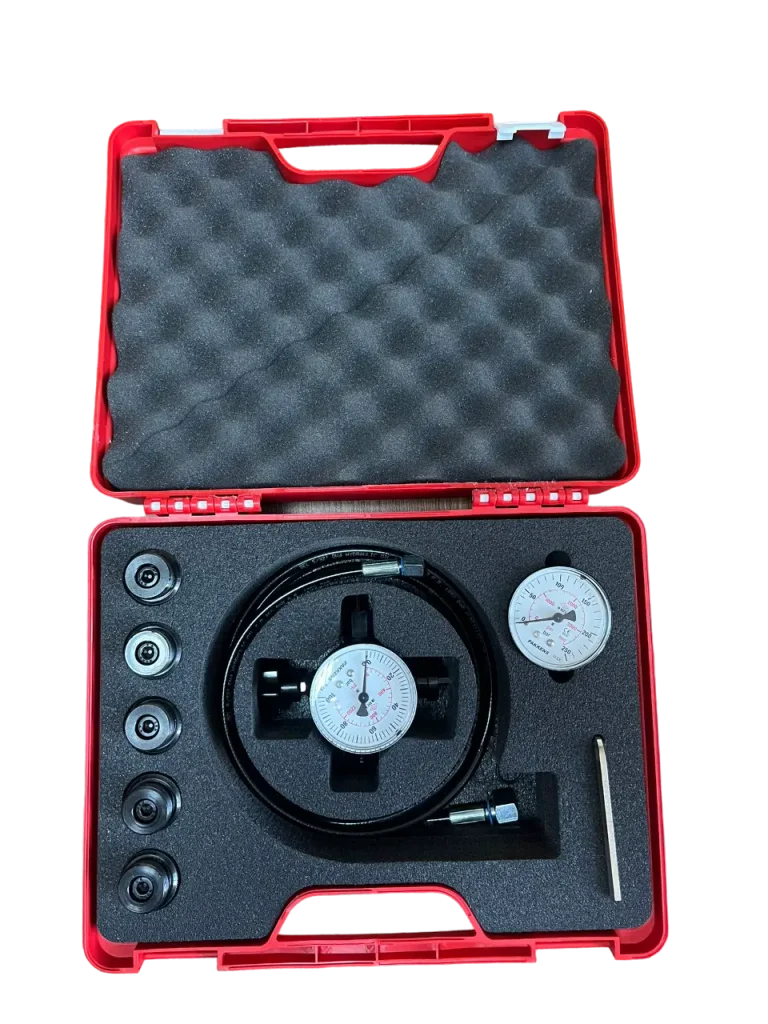
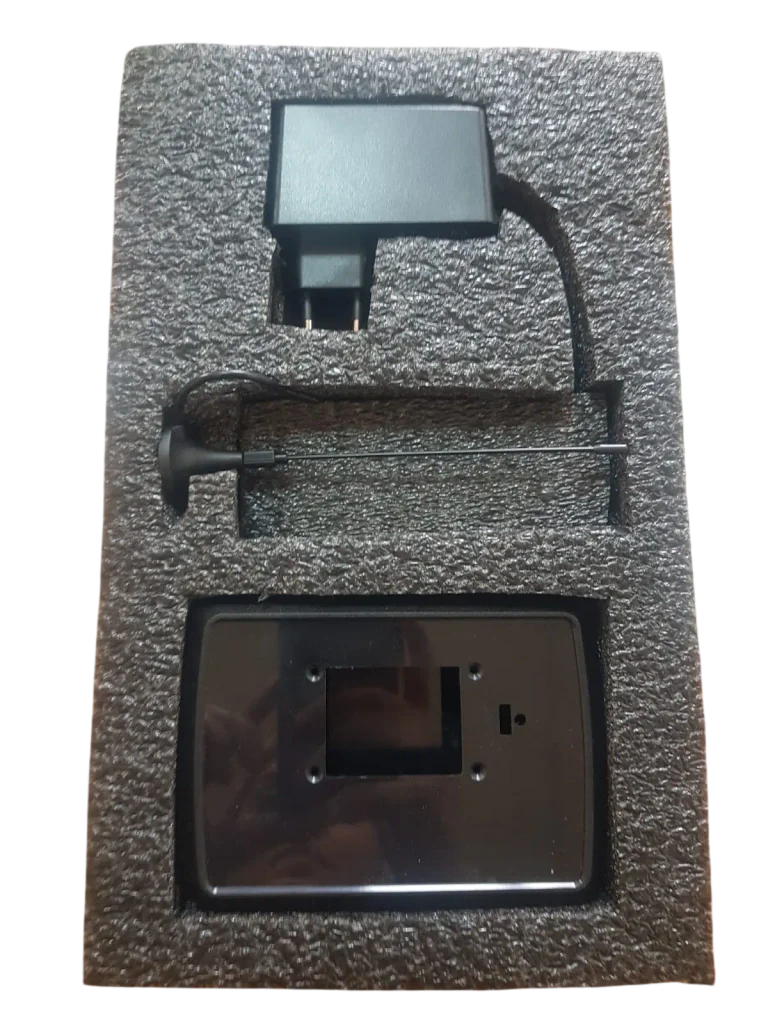
What Is Electronic Device In-box Protection?
Electronic device In-box protection is a foam insertion system, which is shaped according to the outer surface form of the device, which ensures that a product remains stable and stationary in the packaging box. This system fills the gaps in the box, preventing the device from touching the box walls or other parts.
In-box foam design is not just for filling purposes; It undertakes functional tasks such as shock absorption, vibration damping and reducing static electricity effect. While designing the electronic device, the centre of gravity of the device, the location of the sensitive components and the types of load to be exposed during transportation are taken into account. In this way, a safe transport structure is created both in single product packaging and in multiple shipping boxes.
What Materials Are Used for In-box Protection for Electronic Devices?
The physical properties of the material in the selection of the electronic device packaging foam directly determine the performance of the protection. The three most commonly preferred material groups are:
EVA (ethylene Vinyl Acetate) Foam
EVA foam is preferred in electronic protection applications because of high density options. Due to its closed cell structure, it does not absorb moisture, thanks to its flexible structure, it provides tight contact without damaging the device surface. It is widely used in products such as camera, measuring device, portable electronic equipment.
XPE (cross-linked Polyethylene) Foam
XPE foam has a thinner cell structure and higher impact resistance than standard polyethylene. Preferred circuit boards are preferred for the protection of micro-impact sensitive electronic parts such as sensors and optical components.
Polyurethane (PE) Foam
PE foam is used to protect heavy and fragile electronic equipment with high impact absorption capacity. It is preferred in industrial electronic devices, server components and large-volume hardware.
Material selection; The weight of the device is determined by criteria such as surface accuracy, carrying distance and frequency of shipment.
How to Design Electronic Device Protection with Special Size Foam Cutting?
The process of special size foam cutting begins with the removal of 3D measurements of the device. The connector points, protruding parts and weight distribution of the device are analyzed and a well-fitting slot (cavity) is designed in the foam.
The process generally consists of the following steps:
1. Physical measurement and critical point detection of the device or sample
2. Digital creation of cavity design
3. Material density and thickness selection
4. Prototype production by CNC or wire cutting method
5. Impact test and necessary revisions
This approach offers a specific protection structure specific to each device model, unlike standard mould foams. Especially in electronic product groups with different models and versions, the ability to design separate cavities for each provides production flexibility.
Mould Press Cutting and Wire Cutting Precision In-box Foam Design
Precision in die foam cutting electronic applications is an element that directly affects the protection performance of the device. The wire cutting method allows to remove thin and smooth surface sections from the foam block; This ensures that there is no gap between the device surface and the foam.
Die press cutting, on the other hand, offers repeatable precision in medium and high quantity productions. Both methods work with millimeter tolerances and allow complex geometries such as connector recesses, display surfaces, cable ducts to be processed one-on-one on the foam.
With this sensitivity:
● The device does not move in foam during transport
● Vibration-induced microcracks and solder damages are reduced
● Scratch formation on the surface of the device is prevented during the box opening-closing.
● In multi-component sets (adapters, cables, accessories), separate compartments can be created for each piece
Which Sectors Benefit from Electronic Device Box Protection?
In-box foam design is a solution used in almost every sector that carries electronic products. Highlights of use are:
Consumer electronics manufacturers: Camera, sound system, smart home devices
Measuring and testing equipment manufacturers: Calibration devices, laboratory equipment
Telecommunications sector: Modem, Switch, Network Hardware
Health Technologies: Portable medical devices and electronic health equipment
Logistics and distributor companies: Standard packaging solutions for multiple product shipments
Defense and industrial electronics: Equipment requiring high impact resistance
The common need of these sectors is to provide safe transportation without disturbing the functional integrity of the device and without increasing the shipping costs.
Industrial Cutting Electronic Device Box Protection Services
Industrial cutting, electronic device in-box protection design process, material selection, CNC/wire cutting production and sample approval stages from a single point. Device-specific cavity designs are prepared with EVA, XPE and Polyurethane material options; After prototype production, the protection performance is confirmed by field tests.
Electronic Packaging Foam Prices; The material type varies according to the cutting method, the number of production and the complexity of the design. By sharing the technical details of your project, you can get information about the special price offer and sample process.
Contact us to request special foam cutting solution for your electronic devices; Let our technical team evaluate your product dimensions and prepare the appropriate protection design for you.
Frequently Asked Questions
What is electronic device in-box protection?
Electronic device In-box protection is a foam insertion system shaped according to the form of the device, which ensures that the product remains stable in the packaging box. It functions as a Impact absorption and vibration damping.
What foam material is used for electronic devices?
The most commonly used materials are EVA, XPE (cross-linked polyethylene) and polyurethane foam. Material selection is made according to the weight, precision and carrying conditions of the device.
How to cut special size foam?
Physical measurement of the device is taken, critical points are determined, cavity design is created and production is carried out by CNC or wire cutting method. The prototype is then tested and confirmed.
Is electronic protection design possible with press die cutting?
Yes. The press mould cutting method enables to produce the same device model with repeatable precision, especially in medium and high units. Once the mould is prepared, the consistency of measure and form is maintained in mass production.
In which sectors is the in-box foam design used?
It is used in many sectors such as consumer electronics, measurement and testing equipment, telecommunications, health technologies, logistics and defense industry.
How to determine the prices of the electronic device in-box foam cutting?
Pricing; The type of material chosen varies according to the cutting method (CNC or wire cutting), the quantity of production, the complexity of the cavity design and the sample process.
Our Online Stores


Working Hours
- Monday - Friday
- 08.00 - 18.00
- Saturday - Sunday
- Closed

