Coloured Faux Leather Cutting

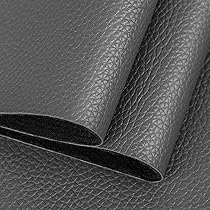

Artificial Leather Materials Usage Areas
Faux leather fabric it is a material similar to real leather, which has been used in many different fields for centuries. It is obtained by combination of different auxiliary chemicals with polyvinel chloride (PVC) or polyurethane (PU) resins. It is a type of mixture, and at the end of certain processes, a material similar to genuine skin emerges. Manufactured according to purpose using different polymer materials such as PVC, PU, TPI TPO upholstery leatherIt requires sensitivity to various points during production. In particular, the chemicals used should be suitable for human and environmental health. This is regulated by the REACH regulation, the use of certain materials is prohibited. In this way, these materials do not harm human health.
What Is Artificial Leather Material and Where Is It Used?
- Faux leather material In the 1400s, it emerged by dipping the fabric in wax and making an umbrella from the resulting product, and since then, it has made great changes and has become used in dozens of different areas all over the world.
- The origin of this material is again fabric. However, this fabric goes through various processes and gains changes by mixing with different materials and materials. Its function is much more developed, and with the possibilities of developing technology, it is used as an alternative to real leather today.
- There are two different types. The first of these is PU, so polyurethane Plated Artificial Leatheris. The price is slightly higher than the other type. This is because PU skin is breathable and has a softer structure. It is healthy and ecological thanks to its very similar properties to real skin. It is mostly used in clothing manufacturing, coats, coats, shoes. It is also preferred in home and office products and furniture areas.
- PVC, so polyvinyl chloride artificial leather it is the first product in this field. It is more affordable and has a very wide usage area. It is used in home, office flooring, clothing, accessories and automotive fields.
Artificial Leather Material Application Areas
- It has a very wide usage area. The reason for this is that it is quality, aesthetic and functional. In this respect, it is highly preferred in calendar coatings, annual coatings and other office and office supplies. It reflects a quality aesthetic to the environments.
- Shoe industry faux leather It is the area where materials are used the most. Due to the cost of real skin artificial leather shoes it is more accessible priced. At the same time, all kinds of design and aesthetics can be given.
- In bags, this material is used a lot. It is the advantage of being easy to shape and producing suitable for every style and taste.
- It is preferred as a clothing fabric. It is used extensively especially in the manufacture of outerwear products.
- In the automotive sector, it is used a lot in both the body design of the vehicles and the design of their seats. quality Sun Leathers long-lasting results are obtained.
- Non-slip carpet insoles, textile insoles, labels, upholstery are some of the other application areas.
Artificial Leather Material Material Details
- It is sustainable compared to real leather materials. That’s why it is always produced and used.
- Faux Leather The material offers the advantage of fixed texture. It doesn’t change the way in time like real leather.
- Since it can be produced in any desired colour, coloring can be made according to the application area, the product to be used, the decoration preference.
- Since production can be made in the desired thickness and weight, production can be made according to which sector and how it is desired to be used. Although pricing varies according to the product content, it offers a more economical material advantage.
- Bleach, such as chemicals, continues to be used safely and well for many years, as long as it does not come into contact with strong substances that will damage the texture of the material.
Our Online Stores


Working Hours
- Monday - Friday
- 08.00 - 18.00
- Saturday - Sunday
- Closed

