Foam Separator
What Is Foam Separator?
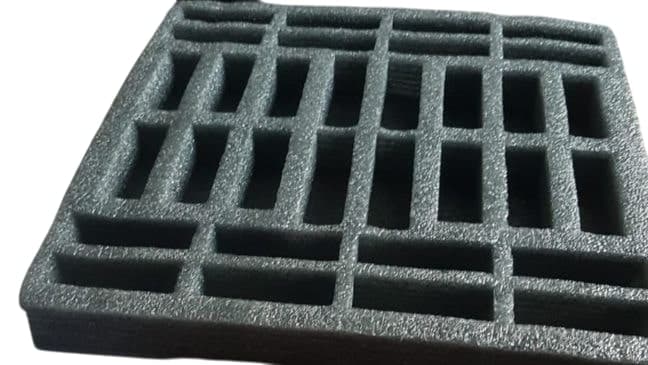
Foam separator cutting is the process of cutting foam materials used in the packaging of sensitive items in special shapes. This cutting process is carried out in order to create foam separators of a certain shape to protect and transport products. Cutting machines or special cutting equipment are often used for foam separator cutting. The process is specially designed according to the shape and dimensions of the product. These cuts provide suitable shapes for the safe placement and transportation of the product.
These special cuts, which ensure the protection of products against impacts and vibrations, especially during transportation, help the safe transport of breakable items.
Foam separator cutting can vary according to special packaging requirements and is important for the safety of precision items. This process is carried out by professional packaging services or manufacturers with suitable equipment.
Foam Separator Usage Areas
Separators made of polyethylene foams have a wide range of uses. It is mostly preferred in the packaging and transportation sector. These separators are specially designed and produced for the person, institution and product. The purpose of use is that the related products are not damaged during transportation and transportation, and they also provide the user or buyer with an aesthetic appearance in terms of packaging and packaging.
Electronic Product Packaging:
Electronic devices, especially mobile phones, computers, televisions and other sensitive electronic components are protected by polyethylene foams to avoid damage during transport. These foams may also have properties that inhibit static electricity.
Medical and Laboratory Equipment:
Precision medical devices and laboratory equipment are carried by polyethylene foams that provide high impact absorption. In this way, damage to the devices during transportation and storage is prevented.
Preservation of Art and Antique Works:
Fragile artworks and antiques are transported using specially designed polyethylene foam separators. These separators ensure that artifacts are protected from impacts and shocks.
Automotive Parts:
The polyethylene foams used during the transport of automobile parts prevent the parts from being scratched and damaged. It also helps to sort the parts regularly on assembly lines.
Food Transport:
Food products that require cold chains are transported by isolating with polyethylene foams to avoid being affected by temperature changes. These foams are effective in maintaining the freshness of products.
Sports Equipment:
Sports equipment that needs to be protected against impacts, especially materials such as skiing and snowboards, are packed using polyethylene foam.
Advantages of Foam Separator Cut
– Lightness: Foam materials are light, so they do not increase the weight of the packaging.
– Impact absorber: Foam provides good protection against impacts, so it prevents the breaking of sensitive items.
– Flexibility: Foam can easily adapt to the shape and size of the products, which enables customized packaging designs.
– Economic: The foam materials are affordable, so they offer a cost-effective solution when used in large quantities.
Foam separators are widely used to ensure safe transport of products, especially electronic items, glass products, sensitive devices and other breakable or scratchable products.
Special Foam Separator Design and Production Options
Special foam separator design and production processes offer solutions specific to industrial needs. These processes involve designing and producing separators in accordance with the specific requirements of customers. Special design foam separators are ideal for special conditions that standard models cannot meet, and generally offer higher efficiency, adaptation capacity and durability.
Requirement Analysis: The design process begins with a detailed analysis of special needs in the area to be used. This analysis includes factors such as foam quantity, liquid properties and processing capacity.
Design and engineering: Based on the analysis results, engineers design a customized foam separator. This stage optimizes elements such as functionality, energy efficiency and operational security.
Prototype Production and Testing Processes: Prototypes are produced to test the practical applicability of the design. These prototypes are tested under actual processing conditions and necessary adjustments are made.
Final Production: After the tests and corrections are completed, the final production phase is started. This stage is carried out using high quality materials, in accordance with quality control standards.
Installation and Commissioning: The foam separators produced are mounted on the customer’s facility and commissioned. In this process, it is ensured that the equipment works correctly and provides optimum performance.
Foam Separator Solutions for Packaging and Shipping
In the packaging and transport sectors, foam separators are vital for maintaining the quality of products during transportation. These devices, especially during the transportation of liquid-containing products, prevent the formation of foam, minimizing leakage and other transport problems. Foam separators provide stability and safety in the packaging process, helping the products to maintain their initial quality until they reach the customer.
Foam separator solutions provide easy integration in packaging lines and increase operational efficiency. These systems can be adjusted automatically or semi-automatically, thus adapting to different production speeds and process requirements. Foam separators, which reduces the risk of contamination of products and also reduces energy consumption, offer an environmentally friendly solution.
Foam separators specially designed for packaging and transportation operations ensure that liquids are transported in a cleaner and more stable way, preventing accidents that may occur during transportation. These devices also offer cost advantages to businesses by saving packaging material.
In general, foam separator solutions for packaging and transportation are an effective way to improve product safety and quality, increase operational efficiency and reduce environmental impacts. By using this technology, businesses can achieve their sustainability goals while increasing customer satisfaction.
Material Details of Foam Separator Cutting
Foam separators are usually made of soft and light foam material. The main features of these materials are:
Polyethylene foam: Polyethylene foam is a widely used material. It has a light, durable and flexible structure. Most foam separators are made of polyethylene foam.
Polypropylene foam: Polypropylene foam is also a light and durable option. It is usually used in the packaging of electronic goods.
Polyurethane Foam: Polyurethane foam has high density and provides greater protection against impacts. Therefore, it is useful in the packaging of sensitive items.
EPS (expanded polystyrene) foam: EPS is a type of foam that is widely used for insulation purposes. As a light and effective insulation material, it is also sometimes used in foam separators.
Polyethylene and Styrofoam Separators
Polyethylene and Styrofoam separators are two important materials, especially in the packaging industry. These foams are known for their light structure and excellent insulation properties. While polyethylene foam provides superior protection against impacts, Styrofoam is especially preferred for the transportation of brittle products.
Polyethylene foam separators easily adapt to products of different shapes and sizes thanks to their flexible structure. This feature makes polyethylene foam ideal for packaging various products such as electronic devices, automotive parts and precision instruments. In addition, being resistant to water and chemicals, it also makes polyethylene foam preferred in outdoor applications.
Styrofoam separators stand out with their lightness and excellent insulation capacity. This material is very effective in maintaining temperature control during the transportation and storage of food products. Especially in the packaging of fresh products, seafood and frozen foods, Styrofoam is an ideal option with both lightness and insulation properties.
Both types of foam separators are among the indispensable materials in the packaging industry, thanks to their excellent impact absorption and high insulation properties. Polyethylene and Styrofoam separators provide a safe and effective solution by protecting against the risks that products may encounter during transportation. Thanks to these materials, businesses can deliver their products to customers in a safer way.
Our Online Stores


Working Hours
- Monday - Friday
- 08.00 - 18.00
- Saturday - Sunday
- Closed

