Polyester Sponge Cutting
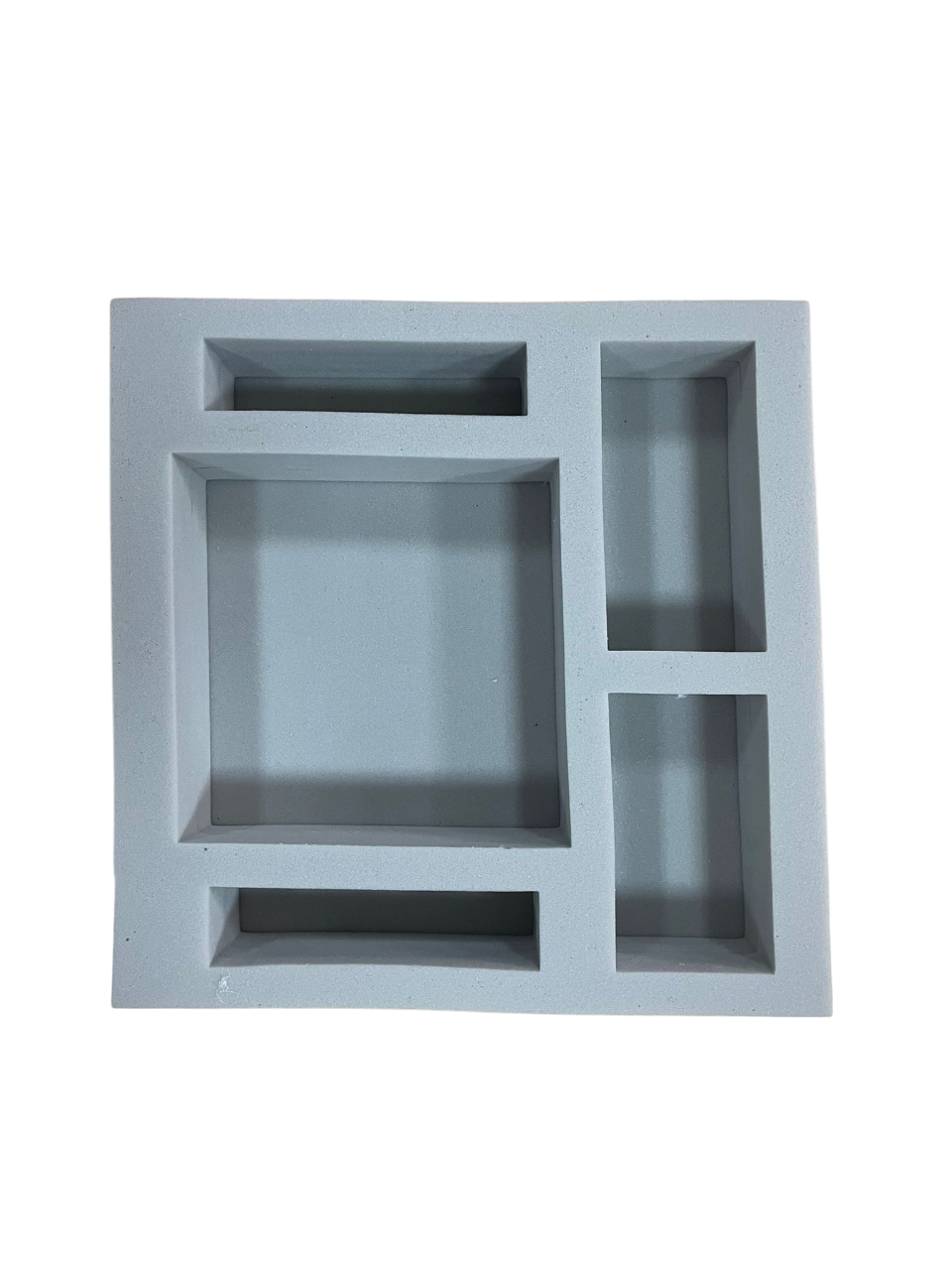
Polyester Sponge Cutting
Polyester sponge is a widely used fabric. Nowadays, its usage area has also increased. PES is a category of polymer. It is a condensing polymer that contains ESTESTE functional groups in its main bonds. Fibres that are not naturally sourced and produced from chemical compounds are called synthetic fibres. These are structures made of polymers formed from elements and compounds. Polyesters are fibres that are used a lot and have an important place in textiles. The molten fibre raw material is pumped to the level without contact with air. Then the fibre is shot. It is then texturized. It is wrapped in coils. The fibre called filament is cut to desired lengths. In the cut fibre strand, it is blended as 100 percent down or with other fibres. Thus, yarn production is realized.
What Is Polyester Sponge and Where Is It Used?
The use of fabric made of polyester fibre has increased tremendously. It is often used in combination with cotton fibres. It is preferred to produce clothes with quality features. It is an easy fabric to obtain. At the same time, it is close to natural fibres. Polyester is a product that can be mixed and used with other fibres. It is obtained from the condensation of dicarboxylic acid with an alcohol. Its chemical structure is examined in three groups;
- Group PET (polyethylene terephthalate) fibres,
- Group PCDT (poly-1.4 cyclohexyl-dimethylene-terephthalate) fibres,
- Group modified (new) polyester fibres,
PES Polyester Sponge Textile also had a wide range of uses.R. It can be used alone or mixed with other fibres. Various fabrics such as taffeta, satin and organza are produced. Polyester fibres are most often mixed with cotton. But it is also used with wool, silk, acrylic, viscose and flax fibres.
Pes Polyester is a fibre used in the sponge clothing industry, which is also used in shirts, suits, coats, coats, underwear and overcoats. It is preferred in beds and tablecloths, duvet covers, carpets and drapery fabrics in home textile products. In the industrial area, there is a fish net, rope, sewing thread, automobile tires and a polyster in the sail cloth.
Polyester Sponge Application Areas
Polyester sponge is obtained by two methods. In the first, glycol and dimethylterephthalate are taken as the starting material. In the second, ethylene glycol and terephthalic acid are taken as the starting material. The polymerized raw material is cooled in the polymerization boiler. Then it is cut into small pieces and produced. The polymers are melted at 260 degrees, which is the melting point, and become filament by softening method. In order to increase their strength, the stretching process is also applied.
Polyester fibres are resistant to acids. They also show resistance to solvents and bleachers used in dry cleaning. But if they are strong alkalis, they damage the fibres. Polyester fibres are resistant to sunlight. It is also suitable to be used as drapery fabric. Because it is not affected by mould, moths, fungi, bacteria and other harmful insects. Polyester sponge electricity is very low. In this way, it is charged with static electricity.
Polyester Sponge Material Details
Today, the usage areas of polyester fibres have increased considerably. Fibres are preferred in almost every sector. Pes polyester sponge is generally produced in white. It has a bright appearance. They can also be obtained as semi-matte or matte when desired. Various sizes can also be produced. Its strength varies depending on the mode of production. Polysters are very resistant to fibre friction. may cause hair growth. The size of the polyester fibres that are applied hot fixation does not change. All these properties of polyester fibres have increased its usage areas. Nowadays, it is one of the most used fibres in the clothing, industrial and home textile sectors.
Our Online Stores


Working Hours
- Monday - Friday
- 08.00 - 18.00
- Saturday - Sunday
- Closed

