What Is Hot Wire Cutting? Which Materials Is It Used On?
Wire cutting is a cutting method based on the principle of lifting material through controlled melting of a thin metal wire on the workpiece with the help of electric current. During the process, the wire does not come into direct contact with the workpiece; Thanks to the electrical discharges formed between the wire and the material, the material is melted and cut is carried out locally. For this reason, wire cutting is considered as a non-contact cutting method that does not require mechanical shear force.
Wire cutting service can be applied to a wide range of materials, especially conductive metals: carbon steel, stainless steel, tool steel, copper, brass, aluminium and hardened steels can be processed by this method. The fact that the material has electrical conductivity is the basic condition of wire cutting applicability; Therefore, non-conductive materials such as plastic or ceramic cannot be processed with this method.
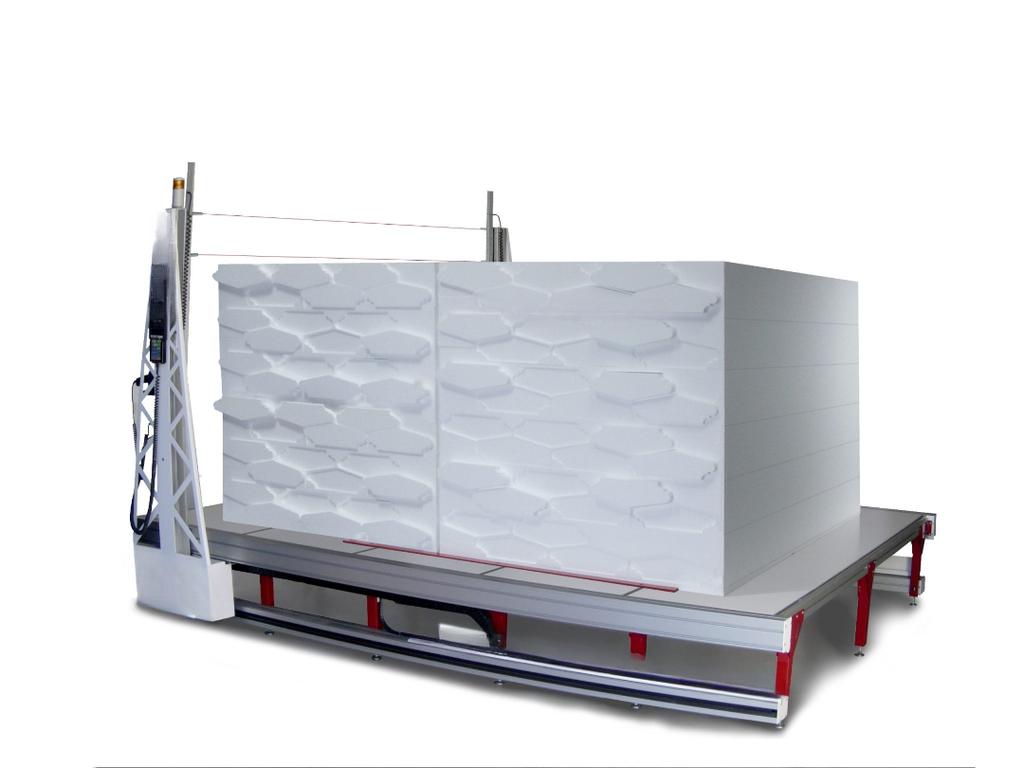
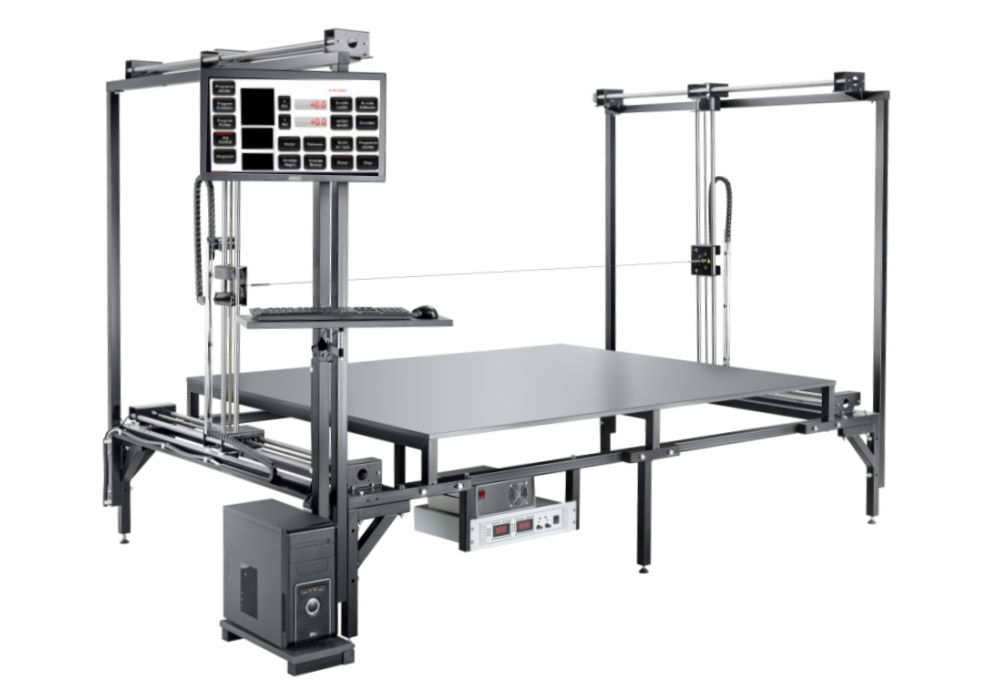
What Is EDM Wire Cut? Difference from Other Cutting Methods
EDM wire cutting (wire erosion cutting with electric discharge machine) is the most widely applied form of wire cutting method in industrial production. In EDM wire cutting, a dielectric liquid (usually deionized water) is given between the wire and the workpiece; This liquid both ensures that the electrical discharge is controlled and helps to remove the melting material particles from the cutting area.
The difference of EDM wire cutting from other cutting methods is that it does not create a deformation or internal tension in the material due to the lack of mechanical force. For example, while the high heat input formed in the laser cutting or plasma cut can change the material structure by creating a heat-affected zone (Haz) on the cutting edge; In EDM wire cutting, this effect is much more limited, and in precision mould parts, this difference is directly decisive in terms of usability. Similarly, narrow-channel, sharp-cornered or thin-lined geometries, which are difficult to produce by methods such as CNC milling or grinding, can be produced without mechanical cutting force by EDM wire cutting. As another concrete example, conventional cutting methods in a mould steel with a hardness above 60 HRC are challenged by tool wear, while EDM wire cut material can work independently of the hardness of the material.
CNC wire cutting expression is also often used to describe computer-controlled, multi-axis mobility versions of EDM wire cutting systems; These systems provide consistent results in complex conical cuts and multi-step productions.
How to Determine the Sensitivity and Tolerance Values in Wire Cutting?
Wire cutting offers the possibility of production in very narrow tolerance bands compared to other cutting methods thanks to its contactless working principle. Tolerance values; Wire diameter varies depending on parameters such as dielectric fluid flow control, cutting speed and material thickness.
While tolerances in the range of ±0.01 mm to ±0.005 mm can be obtained as standard in general machinery and mould parts; In precision injection moulds, advance dies and measuring equipment, this value can be reduced to the micron level. In critical components used in the aerospace and medical device sector, it is common practice to request a post-cut measurement report and party-based verification. In terms of surface roughness, EDM wire cutting can offer surface quality at Ra 1-2 microns level without any additional processing; This value can be further improved by lowering the cutting speed.
When determining the tolerance demand, it should be taken into account that the post-cut measurement and quality control capacity can verify these values as well as the functional requirement of the part.
In Which Sectors Is Wire Cutting Used?
Wire cutting service is one of the main production methods in many sectors where precision and reproducibility are critical:
● Mould-making industry: In the production of injection moulds, progressive (progressive) moulds and cutting dies.
● Aeronautics and defense industry: In the production of tightly tolerant turbines and structural components.
● Medical device industry: In the precision processing of surgical instruments and implant components.
● Automotive supplier industry: In the production of hardened steel parts and special profile sections.
● Electronic and precision mechanical sector: In the production of connectors, contacts and micro parts.
The common feature of these sectors is that they need to meet the requirements of narrow tolerance and complex geometry, regardless of material hardness.
How Does Material Thickness and Hardness Affect the Process of Wire Cutting?
Material thickness and hardness in wire cutting are two main variables that directly affect the processing time and cutting strategy. As the material thickness increases, the cutting speed decreases due to the increase in the number of discharges between the wire and the material and the difficulty of reaching the cutting region of the dielectric fluid. For example, the cutting time of a 10 mm thick tool of steel is significantly shorter than the same material with a thickness of 50 mm.
Material hardness, on the other hand, affects the processing speed to a very limited extent, unlike other machining methods in EDM wire cutting; Because the cutting takes place with the principle of electrical melting, not mechanical abrasion. However, since the internal tension distribution may differ after cutting in high-hard materials, pre-cutting stress relief may be recommended for critically tolerant parts. In addition, cutting speed and wire tension should be adjusted more carefully in order to limit the thermal effect and possible deformation that may occur during cutting in very thin or delicate parts.
Wire Cutting Services of Industrial Cutting
As industrial cutting, we offer wire cutting services for B2B supply chains with our wire cutting infrastructure and technical team. We plan production in accordance with technical drawing and tolerance demands for materials of different hardness and thickness, from mould components to precision mechanical parts. Post-cut measurement and necessary additional processes can be managed in a single production flow.
It is important to share technical drawing, material type, thickness and tolerance information in wire cutting requests, accurate production planning and determining realistic delivery time.
Wire Cutting Prices
Wire cutting prices; The thickness of the part varies according to the material type and hardness, the desired level of tolerance, the cut length (including the part circumference and the interior geometries) and the number of production. Unit cost may increase as the processing time will be extended for parts that are narrow tolerant and require multi-step cutting; On the other hand, the cost of pieces based on mass production is generally reduced.
You can share your technical drawing and production requirements with us to get a special wire cut price quote for your project.
Our Online Stores


Working Hours
- Monday - Friday
- 08.00 - 18.00
- Saturday - Sunday
- Closed

