Upholstery Faux Leather

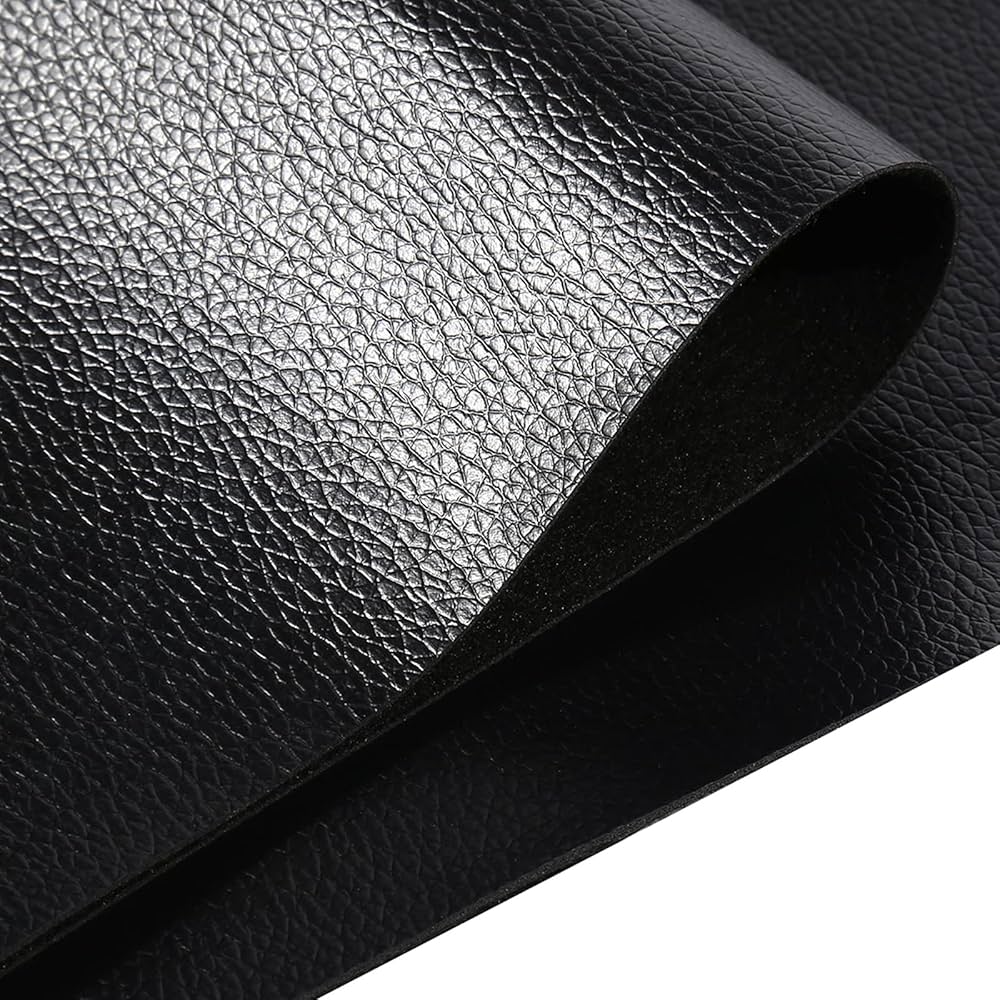
What Is Artificial Leather?
Artificial leather is a type of coating material that has the appearance of natural leather, but is produced from synthetic materials such as polyester and polyurethane. Faux leather, which is frequently used in the textile industry, is similar in appearance to genuine leather, while offering a more cost-effective alternative in terms of cost. Consumers’ interest in this material is due to the versatile areas of use offered by artificial leather.
Thanks to the materials used in the content of artificial leather, there are also environmentally friendly options. Developing technology and increasing environmental awareness allow the emergence of alternatives that are less damaging in the production of artificial leather. Therefore, artificial leather can be a good choice for users who consider both aesthetic and environmental factors.
The fact that artificial leather offers a wide range of colours, textures and patterns to its users, making it a preferred flooring material. Especially for those who are looking for a modern and stylish look, artificial leather is becoming an option that can adapt to many design projects.
How Is Artificial Leather Produced?
Artificial leather is produced with a coating applied to synthetic materials, usually polyester or polyurethane, with special treatments. In the first stage, polyester or polyurethane structures used as the basic material are processed according to the desired thickness and texture. Then, special chemicals and coating processes are applied to give the surfaces of these materials the natural leather or textile appearance.
Quality control processes are of great importance during the production phase. Each piece of artificial leather is passed through various tests to ensure its durability and aesthetic appearance. These tests are necessary for the material to be long-lasting. Especially in upholstery artificial leather production, the material quality directly affects the usage area.
As a result, the production of artificial leather is a complex process with the combination of technology and workforce. However, this process is carried out meticulously in order to provide high quality upholstery artificial leather options that meet the expectations of the users.
What Are the Types of Artificial Leather Fabrics?: Options Suitable for Your Design
Matte Leather
Matte faux leather has a matte finish instead of gloss. It is an ideal option for those who want a more natural leather look. It is often used in furniture coverings and clothing designs.
Glossy Leather
Glossy artificial leather attracts attention with its gloss on its surface. This species is preferred in modern and stylish designs. Its use is common in fashion products, accessories and automotive interior designs.
NUBUCK and SUEDE FAULT LEATHER
The nub and suede-looking artificial leather imitates real skin with its soft texture and texture feel. It is often used in shoes, bags and furniture designs.
Textured Artificial Leather
It has textured artificial leather, patterned or textured surfaces. It allows special designs with various pattern options. It is preferred in furniture coverings and decoration.
Metallic and Shimmery Leather
Metallic or glittering artificial leather is a species that has bright metallic colours or luminescent surfaces. It is popular in the fashion world and decorative applications.
Perforated Artificial Leather
Perforated artificial leather has a perforated structure. This design is used to provide breathability and a lighter look. It is preferred in automotive interior designs and clothing.
Antibacterial and Waterproof Artificial Leather
This type of artificial leather is preferred especially in the health sector and outdoor applications. It attracts attention with its antibacterial properties and waterproof structure.
Advantages and Disadvantages of Artificial Skin
There are many advantages to using upholstery leather. First of all, it offers a more affordable option than genuine leather in terms of cost. This is a great advantage for consumers who want to reduce costs. In addition, the ease of care of artificial leather stands out as a feature that reinforces the preferences of the users.
Another advantage of artificial leather is the flexibility it offers in design with various colour and texture options. Users can choose from many different alternatives according to their needs and design their interiors as they wish. In addition, artificial leather is often more resistant to water and stains, which facilitates cleaning processes.
However, artificial skin also has its disadvantages. In long-term use, it may not be as robust as genuine leather and may wear out over time. Also, for some users, it may not give the authentic feel that the natural skin alternative provides. Therefore, it is important that users evaluate their needs and expectations well before shopping.
Artificial Leather Quality Criteria
There are quality criteria to be considered when buying upholstery leather. First, the surface quality of the material is important. The texture, colour and brightness of the surface are important elements that determine the quality of artificial leather. A quality artificial leather should be able to satisfy the user with both appearance and texture.
In addition, the durability of artificial skin is also an important factor. In order for the material to be long-lasting, it is necessary to pass various tests. Being resistant to impacts, stains and water is among the other criteria that determine the quality of artificial leather. Quality artificial leather preference is an element that increases the satisfaction of users.
Finally, the production process and the materials used are also effective in quality. Artificial leathers produced by reliable manufacturers offer users better performance in the long run. As Proje Industrial Section, we aim to provide satisfaction by offering quality artificial leather products to users.
How Are Artificial Leather Products Protected?
In order for upholstery artificial leather products to be long-lasting, the right care and protection methods should be applied. Firstly, artificial skins should be cleaned regularly from dust and dirt. By wiping with a soft cloth, the surface should be cleaned and thus the life of the material should be extended. Also, exposure of artificial skins to direct sunlight can cause discoloration, so it should be kept as far away from sunlight as possible.
In the event of exposure to water, it is important to immediately wipe the artificial leather products with a clean and dry cloth. If the water remains on the surface of the material, it can lead to deterioration over time. In case of stain formation, the stain can be removed using special artificial leather cleaners. It should be noted that abrasive cleaning materials should not be used.
Finally, there are some points to consider when storing artificial leather products. Protecting the product in a closed area, if it will not be used for a long time, can prevent the deformation of the material. Artificial leather products for upholstery with suitable protection methods can be used without any problems for many years.
Genuine Leather Comparison with Artificial Leather
Artificial leather and genuine leather are comparable in many ways. First of all, in terms of cost, artificial leather offers a very suitable alternative to genuine leather. This is a huge advantage for users looking for a budget-friendly solution. However, the natural look and feel that genuine skin provides may be an indispensable feature for some users.
In terms of durability, genuine leather is considered to be long-lasting and more resistant to abrasions. However, artificial leather has also become quite durable thanks to the developing technology. However, the care and use of both materials also differs. Artificial leather requires less effort in terms of cleanliness, while genuine leather may require special care.
As a result, both materials have their own advantages, depending on the purpose of use and expectations. Users can achieve the result they want in their decoration by making a choice that suits their needs. Proje Endüstriyel Kesim offers these options with different types of artificial leather products and combines both aesthetics and functionality.
Upholstery Artificial Leather Models and Decoration Suggestions
Artificial leather models for upholstery offer a wide range of options for interior designs. Artificial leather options designed in modern, classic or vintage style adapt to different decoration styles. Whether you use it at home or in the office, you can add elegance to your spaces with upholstery artificial leather.
When using upholstery leather, it is important to choose the pattern and colour that is compatible with the furniture. Users need to pay attention to colour harmony and material quality to ensure integrity with the overall design of the room.
It is also possible to create decorative elements by combining them with different textures and patterns. Pillows, covers or paintings created with artificial leather are details that will add an additional elegance to your spaces. In this way, you can create livable spaces by combining both comfort and aesthetics.
Artificial leather is a type of fabric that attracts attention with its aesthetic appearance, various colour options and durability.
1. Aesthetics and Diversity:
Artificial leather offers an aesthetic appearance with its texture and glossy surface that imitates real skin. It also offers designers a wide palette with a variety of colour options, thus adapting to different design needs.
2. Durability and Long Life:
Artificial leather fabrics are designed to be resistant to daily use. It resists scratches, fading and wear. Thanks to these features, it is a long-lasting and durable material.
3. Water and Stain Resistance:
Artificial leather has waterproof properties, which is a great advantage in terms of cleanliness. In addition, its stain-proof structure provides easy cleaning in daily use.
4. FUNCTIONALITY:
This type of fabric can be used for many different designs and products thanks to its flexibility. There is a wide range of applications from furniture coverings to clothing and accessories.
5. Economic and Sustainable:
Artificial leather, which is a more economical option compared to traditional leather, is also an animal-friendly alternative. Artificial leather, produced with sustainable production methods, offers an environmentally friendly option.
6. Easy Maintenance and Cleaning:
Artificial leather fabrics can be easily cleaned with a damp cloth. It does not require special care and is practical for long-lasting use.
Artificial Leather Fabric Cleaning
Artificial leather fabrics have been a popular choice that combines elegance and durability. However, it is important to know the correct methods of cleaning so that such fabrics can last for a long time. Here are some practical tips for cleaning the artificial leather fabric:
1. Cleaning with Mild Soapy Water
2. Cleaning with a Toothbrush
3. Ammonia and Water Mixture
4. Protection from Sunlight
5. Regular Dusting
Artificial leather fabric cleaning should be done regularly with the right methods. These simple tips will help your faux leather items to prolong the life of their items and always look like new. Remember that testing a small part of the fabric before using every cleaning product is a way to prevent undesirable results.
Faux Leather Fabric That Combines Elegance and Durability: Areas of Use
Artificial leather fabrics are versatile materials that offer practical use advantages with their aesthetic appearance. Here are the areas where artificial leather fabrics are widely used:
Furniture Coverings
Artificial leather fabrics are widely preferred in seating groups, armchairs and chairs thanks to their durability and easy-to-clean features. At the same time, the wide range of colours and patterns offers an ideal option to complete the decoration.
Automotive Interiors
Artificial leather fabrics used in vehicle interiors attract attention with their elegance, while offering comfort to drivers and passengers with their long-lasting and easy maintenance advantages. It is an ideal choice for seat upholstery, steering wheel coverings and interior details.
Fashion and clothing
Artificial leather fabrics are among the materials frequently used in the fashion world. It finds its place as an aesthetic option in many clothing and accessories products from jackets to skirts, from shoes to bags.
Accessories and Home Decoration
Artificial leather is a material that is frequently used in home decoration. Artificial leather fabrics in pillows, tablecloths, curtains and other decorative accessories combine elegance and usefulness.
Shoe Industry
Artificial leather, which is also widely used in shoe design, is preferred for its lightness and durability. It finds a wide range of uses, from boots to sneakers.
Artificial leather fabrics have become a preferred material in many sectors by combining functionality and aesthetics with wide usage areas. Artificial leather fabrics, which stand out with their durability and elegance in every field, offer solutions suitable for aesthetic expectations.
Differences Between Artificial Leather Fabric and Real Fabric
Artificial leather fabric and real fabric are two different materials that are offered to users with their different features and advantages. Here are the main differences between these two types of fabric:
Material Supply
– Artificial leather fabric: artificial leather, usually plastic and polyester it is obtained by subjecting the base materials to a special treatment. Artificial leather, which offers a similar appearance to natural leather, is also known as an animal-friendly alternative.
– Real fabric: Real fabrics are usually produced from natural fibres such as cotton, linen, wool, silk or synthetic materials such as polyester, nylon.
Durability
– Artificial Leather Fabric: Artificial leather is usually water resistant and has non-staining properties. Thanks to these features, it offers an easy-to-clean and durable surface.
– Real fabric: real fabrics vary in durability depending on the type. For example, while wool provides a soft and natural feel, polyester can increase durability.
Price
– Artificial leather fabric: Artificial leather is usually a more economical option than real leather. Therefore, it can be a budget-friendly choice.
– Real fabric: Real fabrics usually have varying price ranges depending on the processing processes and the quality of the material used.
Textures and patterns
– Artificial Leather Fabric: Artificial leather can be shaped with various textures and patterns in the production process. This gives designers and users a wide range of styles.
– Real Fabric: Real fabrics have textures and patterns originating from natural fibres. This provides a natural appeal, especially in the fields of clothing and decoration.
The choice between artificial leather fabric and real fabric may vary depending on the intended use, aesthetic preferences and budget. While both materials offer unique advantages, users should consider these differences when choosing the one that best suits their needs.
Artificial leather fabric is a versatile material that offers a variety of design options. Different types of artificial leather suitable for all kinds of projects add aesthetics and functionality to your design. If you want to meet with artificial leather varieties suitable for your needs, you can contact us.
Artificial Leather Prices
Upholstery leather prices vary depending on many factors. These factors include the quality of the material used, the production process, texture and pattern options. Although it is possible to find affordable models, the choice of quality artificial leather can be a more advantageous investment in the long run. As Proje Industrial Section, we always give a reasonable price guarantee to the consumer.
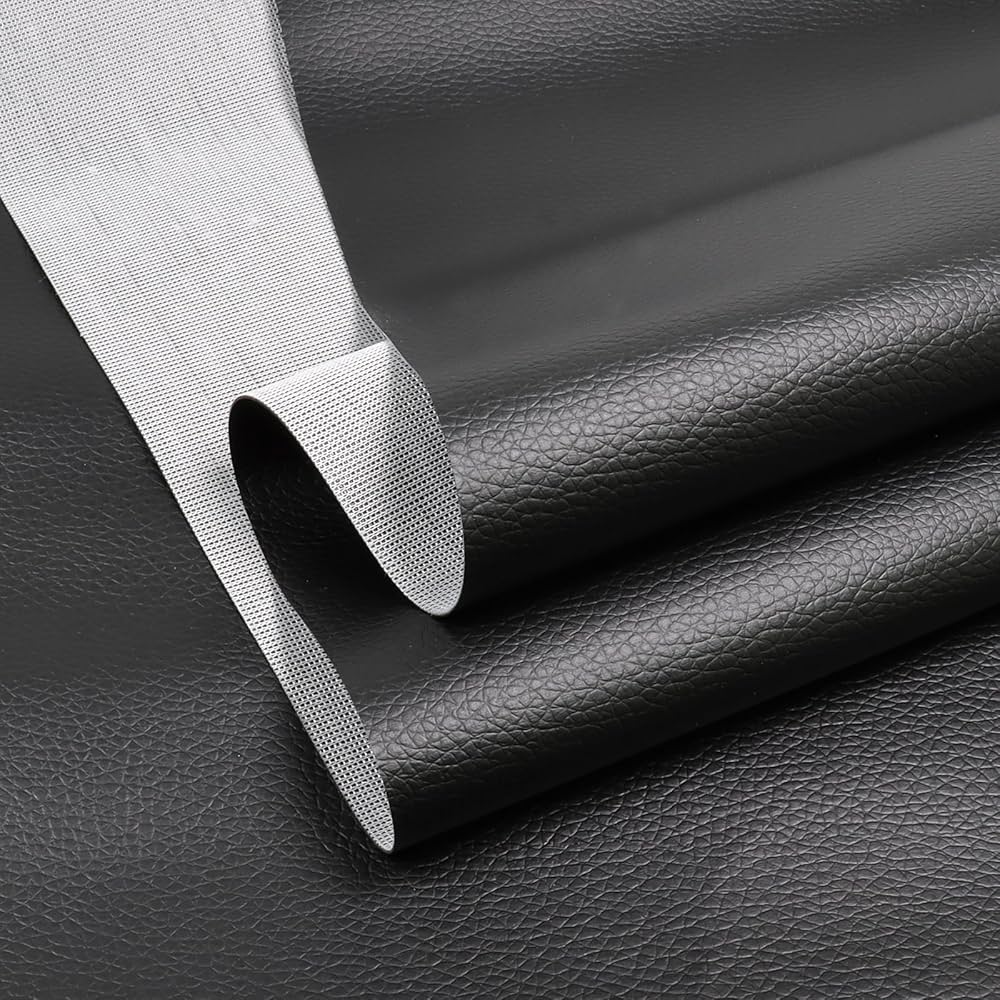
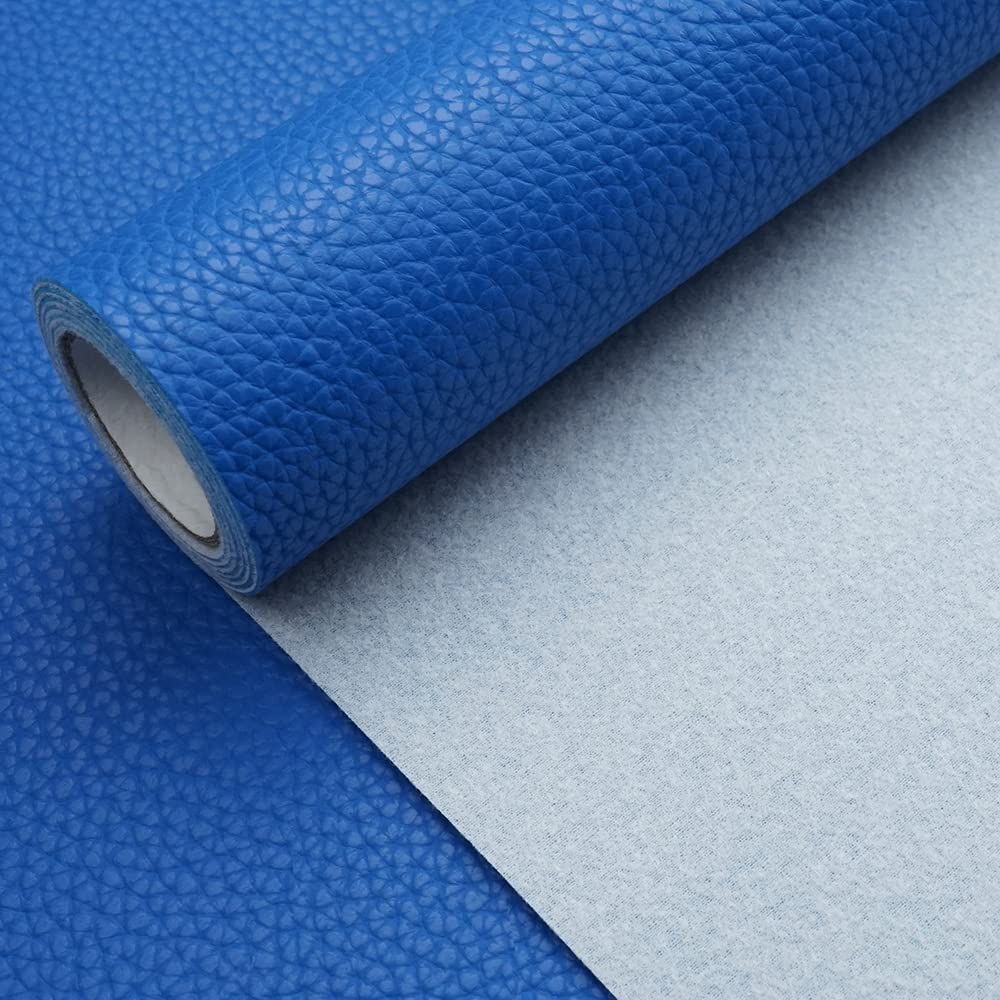
Our Online Stores


Working Hours
- Monday - Friday
- 08.00 - 18.00
- Saturday - Sunday
- Closed

