Pipe Insulation Material
What Is Pipe Insulation Material?
Pipe insulation materials are special products used to prevent energy loss that may occur due to temperature difference. Usually elastomeric rubber, polyethylene foam it is produced from materials such as The structure of these materials effectively ensures thermal insulation and allows long-lasting use. Proper application of pipe insulation sponges increases the efficiency of the installation, while saving cost in the long run.
The main purpose of pipe insulation is to increase energy efficiency in both indoor and outdoor use. Products such as insulation sponges, pipe coverings and pipe insulation tapes have been specially developed to reduce energy losses that may occur in installation systems. Thanks to the differences in its design, there is a certain application area for each material and these areas should be carefully examined.
Pipe insulation materials to be used in installation systems also prevent condensation problems caused by water, steam and temperature changes. In this way, the water quality in the pipe is maintained and the life of the installation is extended.
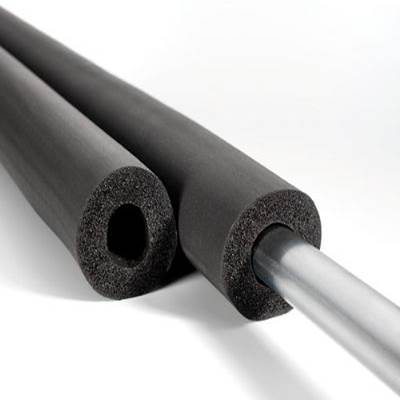
The Most Effective Materials for Heat and Condensation Insulation
Elastomeric rubber and polyethylene foam are the most common options among the pipe insulation materials used to increase energy efficiency and prevent condensation. Elastomeric rubberPolyethylene foam offers a more economical alternative, while it draws attention with its high heat resistance and flexible structure. Both materials give effective results when used as a thermal insulation sponge.
Among the most effective materials to provide thermal insulation is the cold water pipe insulation sponge. This special material minimizes the formation of condensation in cold water installations and prevents energy loss. At the same time, it provides a long-lasting use by contributing to the protection of pipes from external factors.
Another point to be considered in insulation processes is to consider the fire resistance of materials. Pipe insulation products with B1/B2 fire class are used in a wide range, especially in commercial areas. It is important to choose fire-resistant insulation options to minimize potential damage from this product.
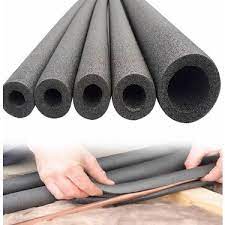
Elastomeric Rubber and Polyethylene Comparison
Elastomeric rubber, thanks to its flexible structure, perfectly adheres to the pipe surface. When preferred as a thermal insulation sponge, it offers high efficiency and is resistant to external factors. The advantage of this material is the protection it provides against condensation and water passage. However, the cost of elastomeric rubber is slightly higher than polyethylene foam.
Polyethylene foam, on the other hand, offers a lighter and more economical alternative. Although the insulation properties are not as effective as elastomeric rubber, it provides an advantage in terms of installation time thanks to its light structure. This material, which is generally preferred in domestic installations, is preferred more often by individual users due to its affordable price.
Both materials can be used in different application areas and according to needs. Our company provides quality materials such as both elastomeric rubber and polyethylene foam, helping users to make the right choice according to their needs.
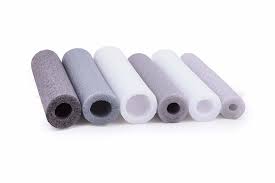
Self-adhesive Pipe Insulations: Easy Application Advantage
Self-adhesive pipe insulations are ideal products that provide ease of application. Users can quickly apply these insulation products to their installations without the need for any additional materials. Time saving is a great advantage, especially for professional plumbers and individual users.
One of the most important points to be considered during the application is that the surface is smooth and clean. Self-adhesive pipe insulations help prevent energy loss by providing excellent adhesion with the surface. The advantage of these products is that they are fire resistant here as well.
These easy-to-apply insulation materials are ideal for outdoor use. It provides an effective thermal insulation without being affected by external factors. As Proje Industrial Section, we offer ideal solutions for every need of users with a wide range of products.
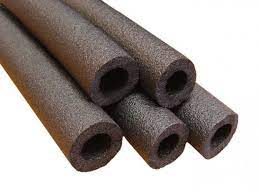
Indoor – products suitable for outdoor use
Pipe insulation materials are specially designed for both indoor and outdoor use. In indoor use, materials such as elastomeric rubber and polyethylene foam are widely preferred; Because these products can provide high thermal insulation performance and flexibility. In this way, plumbing pipes reach energy efficiency in a short time.
In outdoor use, materials must be weather resistant. Our company meets the needs of users by offering a rich product portfolio in outdoor pipe insulation materials. Outdoor insulation solutions provide an advantage, especially in water pipes and heating systems.
Choosing the right material between indoor and outdoor insulation contributes to the longevity of the installation system and energy saving. At this point, you can choose the most suitable products for your needs with the support of our expert consultants.
Fire Resistant Pipe Insulation Options (class B1/B2)
Fire-resistant pipe insulation is a must-have element, especially for commercial areas and high-risk installation applications. B1/B2 fire-class insulation materials attract attention with their non-flammable properties and offer high safety standards. Thus, potential damages are prevented in the event of a fire.
Such materials are produced from elastomeric rubber and specially formulated mixtures of polyethylene. Fire resistant pipe insulation is being further improved with continuous new developments
Preferring fire resistant insulation options, it prevents energy loss as well as installation safety. Such materials become a mandatory requirement for most commercial and industrial projects.
Prevention of Condensation Problems and Energy Losses
Condensation is water droplets that occur when hot and cold air come into contact with the pipe surface. This can lead to serious problems in plumbing systems. While energy loss occurs as a result of wrong or insufficient insulation, it can also cause damage such as puddles, rusting and corrosion in the pipes.
An effective pipe isolation is essential to prevent energy loss. By choosing the right material, the risk of condensation is minimized and the overall efficiency of the installation system is increased. In addition, the causes of condensation need to be analyzed accurately. When using the correct insulation materials on the pipe systems, energy saving and the extension of the life cycle of the installation are ensured. In this way, significant gains are obtained in both operating costs and environmental impacts.
Benefits of Pipe Insulation and Application Examples in Installations
The benefits of pipe insulation in plumbing systems are innumerable. First, it saves energy; This significantly reduces operating costs in the long run. A good pipe insulation minimizes the energy lost by hot water, thereby increasing the effectiveness of the heating system.
Prevention of condensation prolongs the life of the installation system. For example, the formation of condensation in hot water systems can be prevented by using polyethylene pipe insulation. In this way, the pipes in the installation are prevented from rusting or deformation. Examples of application include insulation projects carried out in commercial buildings, industrial facilities and private residences.
By offering special pipe insulation solutions to customers in different sectors, it provides great advantages to both professional plumbers and individual users. With the right product selection, the energy efficiency of the installation systems can be increased and the operating costs can be reduced.
Boru İzolasyonunda Dikkat Edilmesi Gereken Teknik Detaylar
Some technical details to be considered in pipe insulation are extremely important for the efficiency of the application. First of all, the pipes need to have a clean and dry surface. A proper cleaning before application ensures that the material adheres well to the pipe.
It is also of great importance to choose thermal insulation materials in the right thickness. Thickness should be preferred depending on the pipe diameter and the function of the installation. For example, thicker insulation materials are required for pipes used in outdoor use. This is due to the fact that it has lost more energy due to external factors.
The joints between the pipes should be properly closed. The joints must be properly insulated to minimize energy loss. The project helps users to achieve the best performance by offering quality pipe insulation materials by considering all these details for industrial cutting and installation systems.
Our Online Stores


Working Hours
- Monday - Friday
- 08.00 - 18.00
- Saturday - Sunday
- Closed

