Sample Box Production
The production of drafting boxes is a special packaging solution preferred for brands with high quality and aesthetic expectations in the presentation of products. Thanks to its rigid structure, durability and customizable design possibilities, the taslama box, which is preferred for both corporate customers and individual orders, is a type of packaging that visually reflects the value of the product. Proje Endüstriyel Kesim as a result, we provide production services to B2B and individual customers by combining the variety of materials, measurement precision and printing-coating options required in the production of draft boxes.
What Is a Drafting Box? Difference with Plastered Box
The drafting box is a type of box that is produced by cutting and shaping hard cardboard or similar thick materials according to a certain mould, can stand on its own and show high resistance against external impacts. Since the material is cut and combined directly according to the desired form during the production phase, the corners and surfaces of the box gain a flat, sharp and symmetrical appearance.
The plastered box, on the other hand, emerges with a different production logic. In this method, the cardboard, which forms the inner structure, is coated with the paper or fabric material covering the outer surface, then wrapped (plastered). The main difference between the drafting box and the plastered box is the way the coating material is applied to the box: While cutting and shaping proceeds as a whole in the drafting production, the coating process is done later as a separate step in the plastered production. Therefore, the drafting box usually offers a sharper line and a higher rigid structure; The plastered box, on the other hand, may have softer corner transitions depending on the flexibility of the coating material.
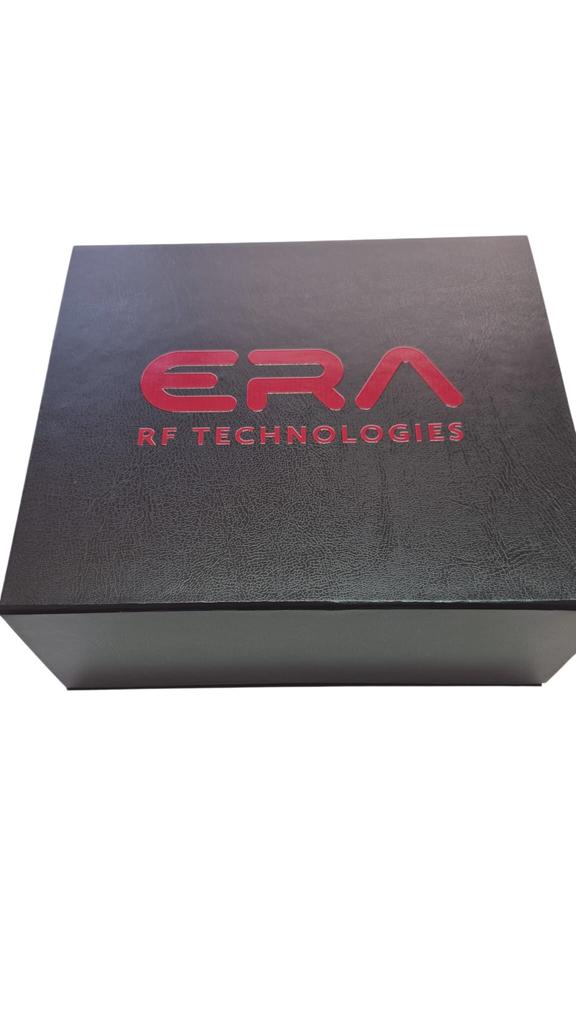
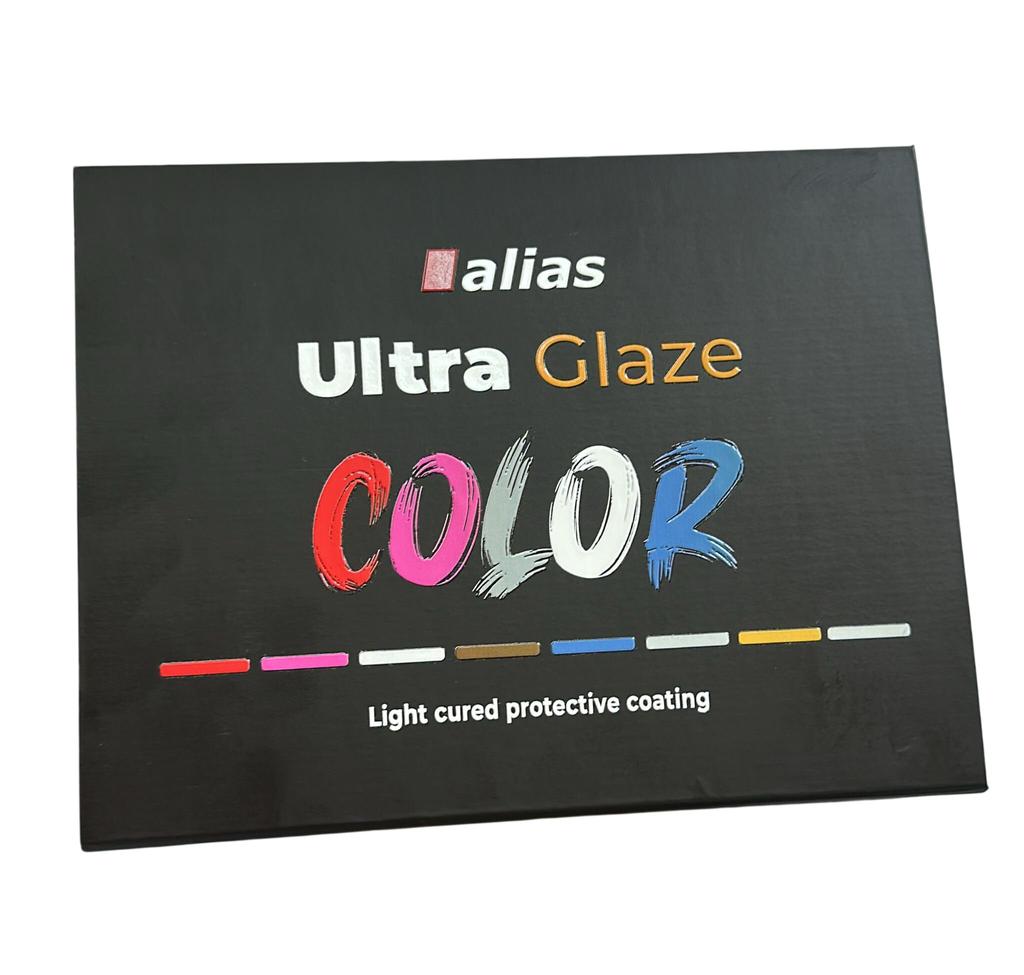
What Materials Are the Drafting Boxes Made Of?
The choice of material used in the production of drafting boxes directly determines both the visual quality and durability of the box. The most frequently preferred material groups in production are:
● Hard cardboard: It is the basic material that makes up the skeleton of the drafting box. Its thickness and weight are determined by the weight of the product that the box will carry. The rigid cardboard box structure gives the box a solid stance while protecting the product against impacts.
● Coated paper coating: The coated paper applied on the hard cardboard skeleton provides the box with a smooth and printable surface. The brand logo is preferred for a clear reflection of colour palette and graphic designs.
● Velvet coating: The velvet coating, which is especially preferred in products such as jewelry, watches and perfumes, adds a soft textured, warm and luxurious look to the box. It directly affects product perception in terms of tactile feeling.
● Leather and leather patterned coating: The preferred leather coating for corporate souvenirs and luxury promotional packages gives the box a sophisticated and durable look. It can be applied with real leather or leather textured artificial materials.
Details such as material thickness, coating type and inner surface priming are determined according to the purpose of use of the order.
In Which Sectors and Products Is the Drafting Box Used?
The Dashing Box is used for product presentation and protection in different sectors thanks to its durable structure and customizable design:
● Jewelry and jewelry products
● Perfume and cosmetic products
● Luxury promotional and souvenir packages
● Electronic products and accessories
● Watches and leather products
● Corporate Promotion and Brand Launch Boxes
● Special Days and Invitation Sets
The common point of these usage areas is that both the preservation and presentation of the product are important at the same time. Since the drafting box meets these two needs together, it is preferred both in B2B supply processes and individual special order requests.
How to Make Special Size Drafting Boxes?
The special drafting box production process begins with the determination of the dimensions of the product and the need for protection. The process generally consists of the following stages:
1. Size and design determination: In line with the dimensions, weight of the product and the purpose of use of the box, the internal and external dimensions of the box are clarified.
2. Material selection: The thickness of the hard cardboard and the coating material (coated, velvet, leather) are determined according to the load that the box will carry.
3. MOLD PREPARATION: A cut die is created according to the determined dimensions. This stage is critical for the precision of the corner and junction points of the box.
4. Cutting and shaping: With industrial cutting equipment, the cardboard is precisely cut according to the prepared mould and brought into the form of a box.
5. Coating and printing application: The selected coating material is applied to the box, the desired logo or graphic designs are processed by printing method.
6. Control and packaging: The boxes produced are made ready for shipment after the quality control is passed.
The special size drafting box request can be applied both for a single product and for bulk production orders. In Taslama Kutu Istanbul production facilities, both small-scale individual orders and corporate volume productions are implemented in line with this process.
What Are the Options for Printing and Covering?
Dashing box printing options can be applied with various techniques to make the brand’s identity visible on the box. Frequent printing and coating methods are:
● Digital printing: It provides clear transfer of detailed and multi-coloured designs.
● Gilding (leaf) printing: It is used to highlight the logo or texts with gold, silver or different colour foils.
● Embossing (Emboss/Deboss) Application: It creates a luxurious feeling by giving the box surface three-dimensional texture.
● Cellophane (matte/glossy) lamination: It is an application that protects the surface and adds visual shine or matte texture in coated paper-covered boxes.
● Screen printing: It is a preferred method for logo printing, especially on velvet or leather-covered surfaces.
The choice of coating varies according to the positioning of the product; Coated paper is mostly corporate and print-oriented designs, while velvet and leather are the prominent options in the luxury styling box category.
Difference Between a Drafting Box and a Standard Carton Box
The standard cardboard box is usually made of corrugated cardboard and has a foldable structure; This makes it more suitable for cargo and transportation uses. The drafting box, on the other hand, is not folded because it is built on the hard cardboard skeleton, it has a fixed form and can be designed to be opened and closed repeatedly.
The difference is also evident in terms of visual quality: While printing is generally applied directly to the corrugated surface of standard cardboard boxes, the surface quality and texture are at a much higher level as coating materials such as coated paper, velvet or leather are used in the production of drafting boxes. For this reason, the drafting box is preferred by brands that care about not only the transportation of the product, but also its presentation.
Draft Box Prices
Drafting box prices; The size of the box is determined depending on many variables such as the hard cardboard thickness used, the preferred coating material (coated paper, velvet or leather), printing technique and number of orders. For special size production requests, the cost of mould is also included in pricing. While the unit cost decreases in bulk production orders, the labor and material ratio is reflected in the price more in the order of singular or low quantities of specialized box orders. You can contact our Proje Endüstriyel Kesim Sales Team with product dimensions, material preference and number of orders to get up-to-date and project-specific price information.
Frequently Asked Questions
What is a drafting box?
The drafting box is a type of packaging with a durable structure on its own, produced by cutting and shaping the hard cardboard according to the desired size and form.
What is the difference between a drafting box and a plastered box?
While cutting and shaping are made as a whole in the drafting box, the coating material in the plastered box is applied by wrapping it on the cardboard skeleton afterwards. This difference creates marked differences between the two types of boxes in terms of surface and corner quality.
What products are used in the drafting box?
It is used for packaging and presentation in many products such as jewelry, perfume, cosmetics, electronics, watches, leather goods and luxury promotional packages.
Can a custom sized box be produced?
Yes, special sizes can be produced according to the size of the product and the intended use. The process starts with measurement and continues with mould preparation and cutting stages.
How to determine the price of the drafting box?
Price; The size of the box varies according to the thickness of the cardboard, the coating material, the printing technique and the number of orders. For the exact price, the project details must be submitted.
What materials are the slab box made of?
The hard cardboard is produced using coating materials such as paper, velvet or leather on the skeleton.
Our Online Stores


Working Hours
- Monday - Friday
- 08.00 - 18.00
- Saturday - Sunday
- Closed

