Joint Filler Backer Rod
What Is a Joint Filler Backer Rod?
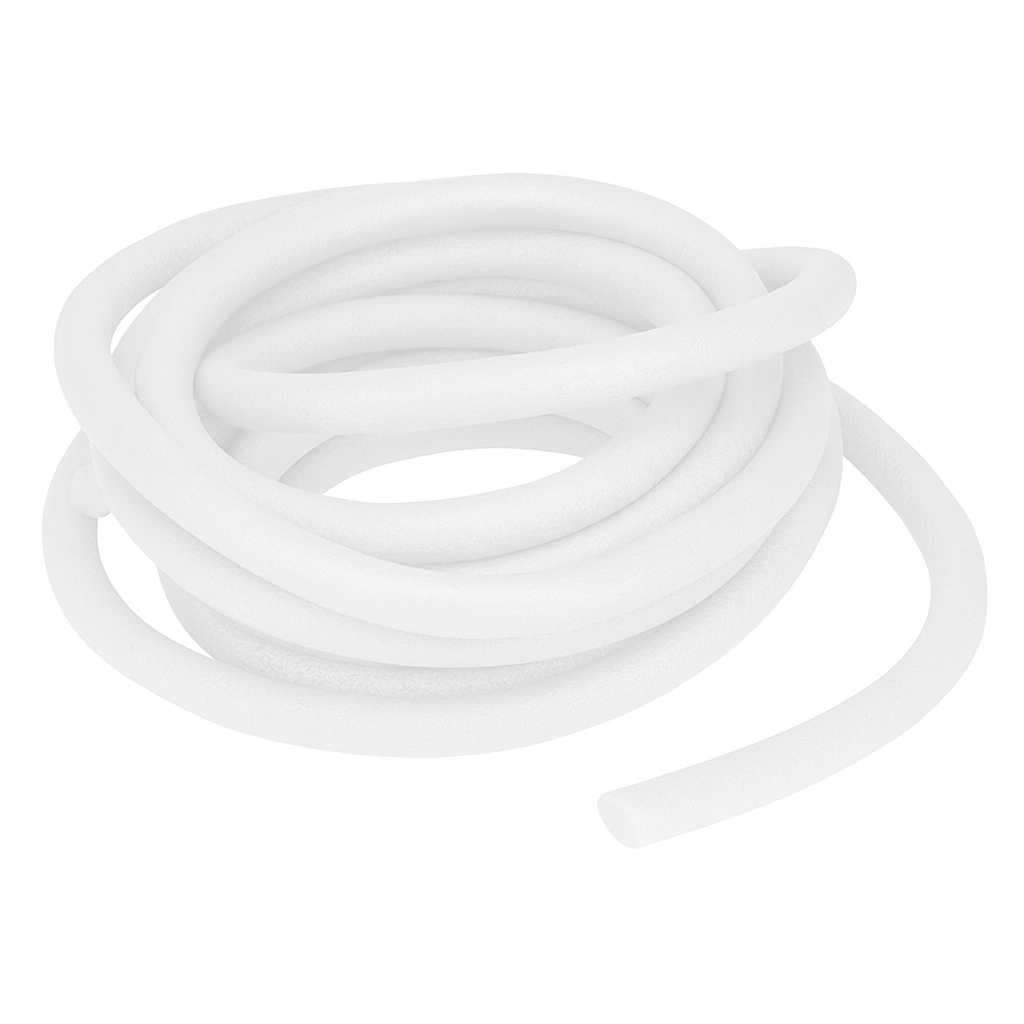
Joint filling wick is an elastic material used to fill joint gaps in various parts of the structures. It is usually produced from polyurethane or polyethylene material. Joint filling wicks are of great importance for the construction sector; Because when applied properly, it ensures water and air tightness, thus prolonging the life of the structures.
Joint filler backer rods are used, especially to fill the gaps between concrete and increase the flexibility of structures. joint filler backer rods, which can be produced in different diameters and lengths, have been adapted to all kinds of construction needs. As Proje Industrial Section, we offer these materials to every sector that needs construction.
One of the advantages of these wicks is that they minimize the problems that may arise during installation. Therefore, the use of joint filler backer rod by pre-planning in construction projects greatly reduces the possibility of errors.
In Which Areas Is the Joint Filler Backer Rod Used?
Joint filling wicks are used in many areas in the construction and construction sector. It is especially preferred for concrete joints, door and window installations, indoor insulation and outdoor sealing applications. These suppositories help protect the structures against water, air and other external factors.
Joint fillers also play an important role in industrial structures, installation systems and service lines. It is frequently used to seal in areas such as water installations, electrical cables and communication lines. In this way, material durability is increased, while maintenance costs are reduced.
Why Use Joint Filler Backer Rod Before Sealant and Silicone?
Using joint filler seals before sealant and silicone applications increases the efficiency of the sealing process. Joint wicking plays an important role in surface preparation by increasing the functionality of mastic and silicone. This reduces the risk of leakage after application and provides a permanent seal.
The use of joint filler backer rods allows the mastic or silicone to be more uniformly dispersed and glued. The elastic structure of the joint filler backer rod absorbs the mobility on the surface, which prolongs the life of the application. For this reason, this material is often preferred in construction and repair processes.
In sealant and silicone applications, the use of joint rovings saves time and cost, as well as minimizing material waste in the project. To avoid repetitive applications, as the Proje Endüstriyel sector, we also provide guidance on choosing the right product.
Joint Suppository Size Selection: Which Diameter Is Used Where?
The diameter of the joint filler backer rod should be selected according to the characteristics of the area to be used. For example, thicker suppositories are preferred for large joint gaps, while thin suppositories should be used for narrow joints. When choosing a diameter, the width of the joint, the flexibility of the material and the characteristics of the application area should be considered.
For concrete joints, 15 mm diameter wicks are generally preferred. This size is widely used in many construction applications. As a company, we have 15 mm diameter polyethylene white joint filler in our stocks; Thus, you can easily supply products that suit your needs.
Another important criterion in the selection of diameter is the depth of the joint cavity. If you have a deep joint gap, choosing a wider wick will increase the sealing. Choosing the wrong diameter can cause performance problems after application.
How to Apply Joint Filler Backer Rod?
The application of the joint filler backer rod is a critical step to obtain accurate results. First, make sure that the application surface is clean and dry. The dirt, dust and oil on the surface can prevent the wick from sticking. Therefore, attention should be paid to surface preparation.
During the application, the joint filler backer rod is usually placed with an application gun. Thanks to the application gun, it is possible to properly place the wick. After the suppository is properly placed, the process is completed by adding the sealant (mastic or silicone).
Another point to be considered during the application process is that the wick is stretched at a sufficient level. Otherwise, the wick may slide sideways and the sealing functionality may be reduced. Joint wicking is a skilled process and gives the best results when done with the right techniques.
Polyurethane vs Polyethylene Joint Filler Backer Rods
Polyurethane and polyethylene joint suppositories are two different materials that are frequently used in the construction and construction sector. Polyurethane suppositories offer a more flexible structure thanks to its elastic feature. It is resistant to water and chemicals, so it is often preferred in heavy industry applications.
On the other hand, polyethylene joint filler backer rods are a more economical option and suitable for light applications. Against their thermal insulation, they offer less flexibility than polyurethane suppositories. While polyethylene suppositories are generally used outdoors, polyurethanes are preferred more indoors and in precision applications.
Both materials are effective in terms of their sealing properties, but it is important to choose according to the intended use. We help our customers to choose the most suitable joint filler backer rod according to your needs.
The Use of Suppositories for Joint Cavity Control in Structure and Construction
Control of joint gaps in building and construction projects is very important in terms of the durability and longevity of the structure. Proper filling of joint gaps increases water and air tightness. Therefore, using joint filler backer rods is a critical step to extend the life of structures.
Correct application of the joint filler backer rod increases the durability of the structure, while also providing an aesthetic appearance. The most important point to be considered during the application is that the wick is sufficiently elastic. In this way, the resistance of the structure against the movements of the structure is increased.
As Proje Industrial Cut, we supply joint suppositories with quality and specification suitable for your needs for the control of joint gaps. With the right product selection, you can make your structures more durable.
How to Apply More Efficient Mastic with Joint Filler Backer Rod?
The use of joint suppositories before the mastic application increases the effect of the result. Proper placement of the suppository during application ensures that the mastic or silicone is properly distributed. The function of the wick makes it possible for the sealing material to perform better.
Carefully inserting the joint roving before the mastic application saves both time and material. After the application of the joint filler backer rod, the mastic material is added, and this process increases the effectiveness of the sealing process. Creating a smooth area on the surface during mastic application provides protection against external factors.
Joint Filler Backer Rod Prices
Joint filling wick prices vary depending on the type of material used, dimensions and project. In particular, the price range of polyurethane and polyethylene suppositories differs in terms of quality and durability. Our company offers quality joint filler backer rods at affordable prices.
The diameter and length of the product are also effective in determining the prices. Among our products, the 15 mm diameter polyethylene white grouting seal provides an ideal option for those looking for a cost-effective solution.
Choosing the right joint filler backer rod will keep your costs under control and ensure that you get longer-lasting results after the application. As Proje Industrial Section, we are here to provide solutions for all needs in the supply of joint filler backer rods.
Our Online Stores


Working Hours
- Monday - Friday
- 08.00 - 18.00
- Saturday - Sunday
- Closed

