In-box Packaging Material
 endustriyelkesim.com'u Google'da tercih edilen kaynak olarak ekleyin +
● Quick Summary
- Box packaging materials consist of varieties such as cardboard box, foam, air pillow, corrugated board and filler granules; Specially shaped foam or bubble packing for brittle products, the use of antistatic and shock-absorbing material for electronic products is critical.
- Food grade plastic, aluminium foil and biodegradable materials should be preferred in food packaging; While plastic packaging offers lightness and low cost advantages, recycling difficulty and environmental impact are among the major disadvantages.
- In order to increase product safety, the box size must be strictly compliant with the product dimensions, the inner cavities should be filled and the packaging corners should be securely closed with tape; Choosing the right material both prevents transport damage and directly affects customer satisfaction.
Estimated reading time: 20 seconds
What are box packaging materials?
Box packaging materials consist of various materials used to ensure the safe and robust transportation of products. Cardboard boxes are one of the most widely used box packaging materials. They are produced in various sizes and shapes because they are durable and lightweight. It is an ideal option to protect and transport your products.
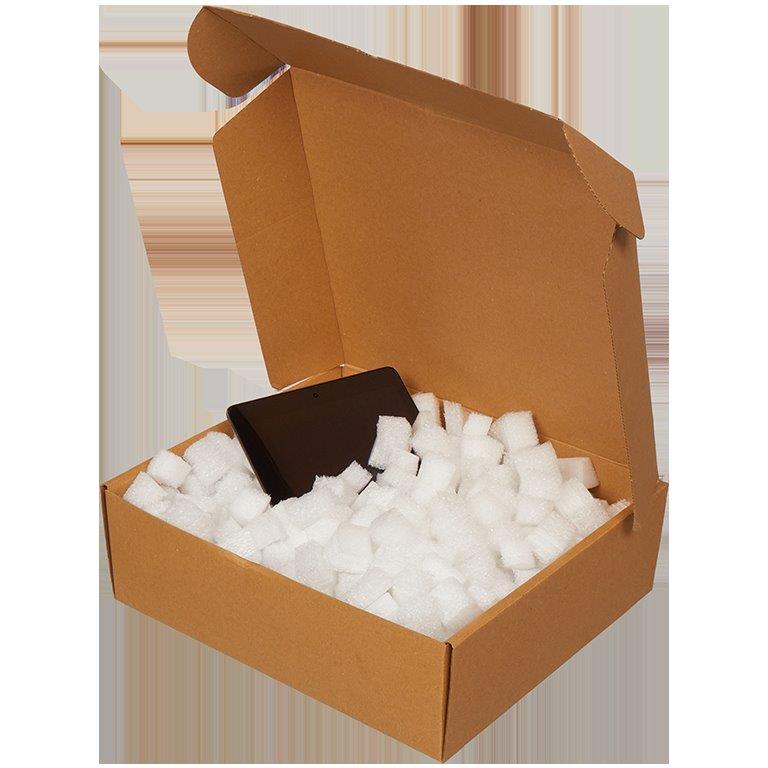
The foam packaging provides extra protection, especially during the transportation of breakable products. Polystyrene foam can be used in the form of foam pads or foam blocks. This material ensures that products are protected against impacts. Air pillows are inflated with air and placed around the products. In this way, they ensure the protection of products against impacts. They also help fix the products inside the box by filling in the gaps.
Corrugated cardboard sheets can be placed inside cardboard boxes for extra protection. While ensuring the protection of products against impacts, it also helps to fix the products by filling the gaps inside the box. Other filling materials used in the box packaging include foam granules, paper fillers, air packaging materials and plastic packaging foams. These materials provide protection during the transport of products and help fix the products by filling the gaps inside the box.
The tapes used in the box packaging ensure that the box is closed and safely transported. In addition, the labels are also used to add product information or transport instructions on the box.
Box packaging materials are vital for the safe transport and delivery of products. By using the above-mentioned materials correctly, you can protect your products and deliver them to your customers reliably.


Packaging Techniques That Increase Product Safety
Safe transportation and storage of products is vital for the success of businesses. Therefore, using packaging techniques that increase product safety both increases customer satisfaction and minimizes product losses.
There is a high probability of being exposed to impacts during the transport of products. Therefore, using impact-resistant packaging prevents damages that may occur during the transportation of products. Impact-resistant packaging materials include high-strength cardboard boxes, duct tape and protective foam layers.
It is an effective method to use foam stuffing for fixing and protecting products in the packaging. Foam inner stuffing ensures that products are protected against bumps and vibrations. In this way, damage to products during transportation is prevented and can be delivered to customers undamaged.
Air pillows are an effective packaging material used to protect products. Air cushions are placed inside the packaging box, ensuring that products are protected against bumps. In addition, the flexible structure of the airbags absorbs vibrations that may occur during the transportation of products and prevents the products from being damaged.
Packaging techniques, which increase product safety, increase customer satisfaction and trust of businesses, while minimizing product losses. By using packaging techniques such as shockproof packaging, foam filling and air pillows, you can safely transport your products and deliver them undamaged to customers.
Packaging Solutions for Products to Break
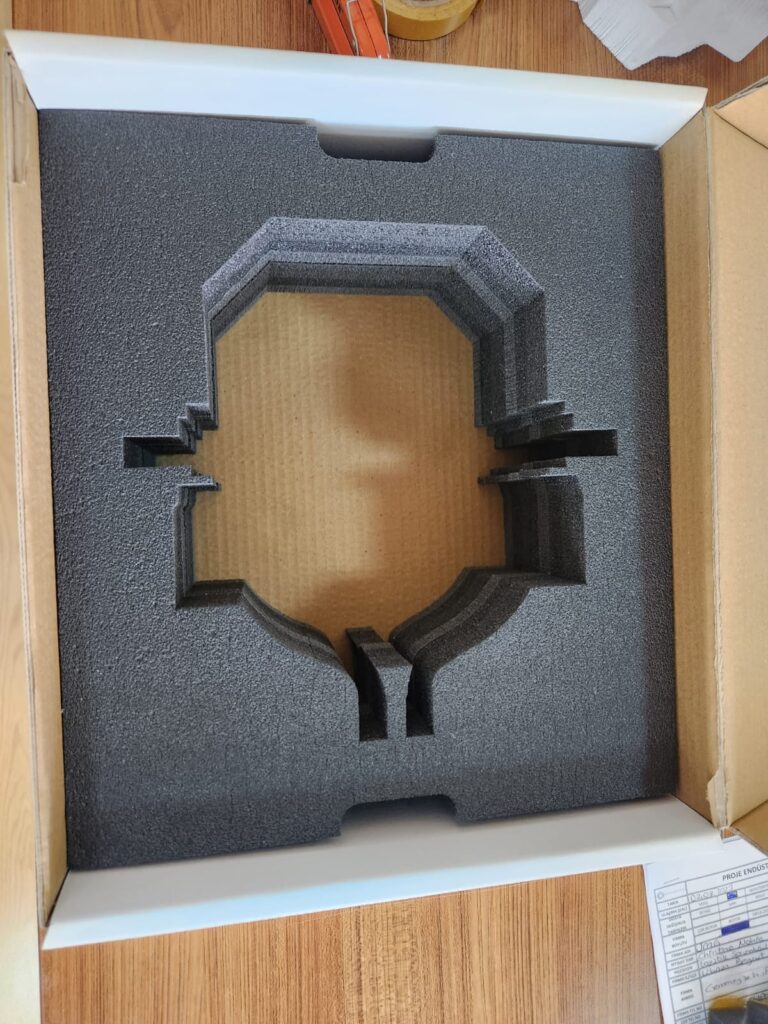
Transportation and storage of breakable products is a process that requires care. It is important to use suitable packaging solutions for the safe transport of such products. Foam is a widely used packaging material for the protection of breakable products. Foam ensures that products are protected against impacts and bumps. Especially specially shaped foam packaging supports certain points of products, minimizing the risk of breakage.
Air pillows are a frequently preferred protective material in the packaging of breakable products. Air cushions placed inside the packaging box ensure that products are wrapped against bumps and act as a buffer against impacts. In addition, the flexible structure of airbags absorbs vibrations that may occur during the transportation of products.
Sturdy cardboard boxes used in the packaging of breakable products protect the products against external factors. However, it is important to fix the products and protect them against damage using extra protective materials inside the cardboard boxes.
Bubble packing materials are an effective protective material used in the packaging of the products that will be broken. This material is placed inside the packaging box, ensuring that the products are protected against impacts and bumps. In addition, bubble packing materials provide extra protection by absorbing vibrations that may occur during the transportation of products.
Transportation and storage of broken products is a process that requires attention and care. By using the packaging solutions mentioned above, it can be ensured that the products are transported safely and delivered to the customers undamaged.
Special Packaging Materials for Food Products
Correct packaging of food products is extremely important to maintain their freshness and ensure that they reach the consumer safely. Therefore, using packaging materials specially designed for food products both protects the quality of the product and ensures the trust of the consumers.
Food grade plastic packaging is ideal for packaging of liquid and bulk food products. These packaging materials ensure that foods are protected from external factors while maintaining their freshness. In addition, food-grade plastic packaging is also advantageous in being light and easy to carry.
For the protection of sensitive food products, aluminium foil and locked bags are preferred. These packaging materials ensure that foods are protected from external factors such as air, humidity and light, helping them to preserve their freshness for a long time. In addition, aluminium foils and locked bags ensure that food products are stored hygienically.
Cardboard boxes and tin cans for dry food products are ideal packaging options. Such packaging ensures that food is protected from physical damage and facilitates storage and handling processes with its easily stackable properties. In addition, special designs that can be printed on cardboard boxes and tins also contribute to strengthening the brand identity.
Recently, environmentally friendly packaging materials have become increasingly popular. In this context, natural and biodegradable packaging materials are preferred for food products. For example, cornstarch or paper-based packaging protects food products and offers an environmentally-friendly option.
Using specialized packaging materials for food products, as well as maintaining the freshness of products, strengthens the brand image and increases the confidence of consumers. The aforementioned packaging materials play an important role in the food industry for a successful packaging strategy.
Advantages and Disadvantages of Plastic Packaging Materials
Plastic packaging materials is a packaging solution widely used in various industries. Plastic packaging has some advantages as well as disadvantages.
Advantages:
Plastic packaging materials are generally light and easy to carry. This feature reduces costs and facilitates handling during transportation and storage of products. It can be produced in various shapes and sizes. This flexibility makes it possible to offer customized packaging solutions for different products. It is usually resistant to impacts and bumps. This feature ensures that products are protected during transportation and storage. It can protect products from external factors such as air, humidity and light. This feature is ideal for maintaining the freshness of sensitive products such as food and medicine. It usually offers a cost-effective packaging solution. The production process is low-cost, and packaging materials are usually available economically.
Disadvantages:
While most of the plastic packaging materials are recyclable, they are materials that are insoluble in nature for a long time and can harm the environment. This means that plastic waste can cause environmental problems. Some plastic packaging materials may not be impact resistant and can be easily broken or drilled. This may increase the risk of damage during transportation and storage of products. It can release harmful chemical components into the products. This can cause health concerns, especially in food and beverage packaging. It may not be suitable for the recycling process or the recycling process may require additional costs. This may cause difficulty in managing and recycling plastic waste.
Considering the advantages and disadvantages of plastic packaging materials, it is important to choose the right packaging solutions in industrial applications.
What Are Plastic Packaging Materials?
Plastic packaging materials have a wide range of uses in the modern packaging industry and are used to meet the packaging needs in various industries. These materials are widely used in food, medicine, cosmetics, cleaning products and many other industries.
PET is a plastic material used in the packaging of beverage packaging, fruit juice bottles, cosmetic product packaging and many other products. PET has a transparent, light and durable structure. In addition, it is an environmentally friendly packaging material with its recyclable feature.
HDPE is a frequently preferred plastic material for packaging liquid and solid food products. It is used in products such as milk bottles, detergent bottles, shampoo and cleaning product packaging. HDPE is durable, chemically resistant and easy to recycle.
PVC is a flexible and transparent plastic material and is often used in film packaging, case packaging and medical product packaging. PVC is a durable, hygienic and economical packaging material. However, in some cases, it may contain non-eco-friendly chemicals and be difficult to recycle.
LDPE is a flexible and soft plastic material and is often used in products such as bags, stretch films and packaging bags. LDPE is waterproof, lightweight and low cost. Also, it has recyclable features.
PP is a plastic material used in the packaging of food products and frozen foods that require hot filling. It is often used in products such as margarine boxes, yoghurt containers, bottles and medicine packages. PP has durable, hot filling and recyclable properties.
Although plastic packaging materials have several advantages, they also have some disadvantages due to their environmental impact and recycling possibilities. However, these disadvantages can be minimized with the right recycling and waste management practices.
Protective Packaging Tips for Electronic Products
The correct packaging of electronic products ensures that the products are transported safely and ensures that they are delivered to customers without any damage.
Given the sensitivity of electronic products, it is important to choose the packaging materials specially. Special packaging materials such as shock-absorbing foams, air pillows and antistatic packaging materials ensure the protection of electronic products during the transportation. Before packing, it is important to choose a box suitable for the dimensions of the product. Using an oversized or small box can cause the product to be shaken or damaged. Therefore, it is important to choose a packaging box suitable for electronic products. It is important to provide extra protection to protect sensitive parts. You can prevent the product from shaking by placing an extra layer of foam or cardboard into the packaging. You can also protect the breakable parts by wrapping them with an extra packaging material. Exposure of sensitive parts to moisture and dust can adversely affect the performance of the product. Therefore, it is important to use moisture-proof packaging materials when packaging electronic products. Plastic packaging or vacuum packaging is an effective solution to protect products from moisture and dust.
After packaging electronic products, it is important to close the packaging well. Use duct tape or adhesive tape to securely close the corners and edges of the packaging. This prevents the product from staying stable and damaging in the packaging. It both ensures the safety of products and increases customer satisfaction. By following the above-mentioned tips, you can safely pack your electronic products and deliver them undamaged to customers.
Our Online Stores


Working Hours
- Monday - Friday
- 08.00 - 18.00
- Saturday - Sunday
- Closed

