What Is EPS Foam?
 endustriyelkesim.com'u Google'da tercih edilen kaynak olarak ekleyin +
● Quick Summary
- EPS (expanded polystyrene) is a light and durable foam material containing 98% air; Thanks to its low thermal conductivity, it is widely used in the construction, packaging and decoration sectors.
- The main difference between EPS and XPS is structural density and waterproofing; EPS stands out with its lightness and easy workability, while XPS has a more intense and waterproof structure.
- EPS, a recyclable material, offers an environmentally friendly option with the right waste management; Prices vary depending on factors such as density, thickness and demand.
Estimated reading time: 20 seconds
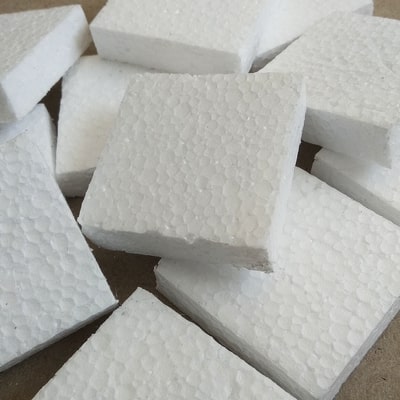
Expanded polystyrene (EPS) is a lightweight and durable material. Usually styrofoam known as this foam, it is used in many different areas. EPS Foam has a low density structure thanks to the air bubbles inside the polystyrene, so it has become a very effective material in thermal insulation.
EPS has 98% air in its structure, which makes it very advantageous in terms of energy efficiency. EPS, which has a low thermal conductivity, is frequently preferred in thermal insulation applications in the construction sector. It also has certain properties in terms of water vapor permeability, so when used correctly, it can increase the durability of structures.
Our company is a company that specializes in EPS foam supply. It draws attention with the solutions it offers in many fields such as construction, packaging and decoration. The advantages of EPS foam and its variety of use make it an indispensable material in the industry.
Production Process of EPS Foam
EPS foam is produced by expansion of polystyrene granules. The process begins with the treatment of granules with heat and steam. During this process, the air bubbles inside the granules expand, and the material turns into a light structure. Expanded polystyrene granules are then poured into moulds to obtain EPS foam sheets or pieces of different shapes and sizes.
Following the production process, the desired size and shape is gained by EPS foam various cutting methods. At this stage, solutions should be offered to suit customers’ needs by using special cutting techniques. Thus, an advantage is provided in terms of both cost and time.
There are some points to be considered during production. Not skipping quality control processes has positive effects on the durability and insulation properties of EPS. Therefore, expertise is required in the production process.
Differences Between EPS and XPS
There are significant structural and physical differences between EPS (extended polystyrene) and XPS (extruded polystyrene). EPS is usually produced in granules filled with air bubbles, while XPS is produced with a continuous extrusion process. This ensures that the XPS has a denser structure and waterproofing, which makes it more convenient in certain applications.
Another difference is the thermal insulation values of both materials. The thermal conductivity of EPS is usually higher than XPS. However, the lightness and easy-to-machability of EPS make it ideal for many packaging applications. Therefore, it is important to evaluate the specific requirements of your project when choosing.
Both products are widely used in the construction industry and other industries. The project has a wide range of products for industrial cutting, EPS materials, and can present the advantages and disadvantages of the material well.
Things to Consider When Using EPS
When using EPS foam, there are some important elements to consider. First, the density and thickness of the EPS material you will use should match the requirements of your project. In building insulation, the selection of appropriate EPS boards is critical in terms of ensuring energy efficiency.
There are also methods to be considered during the installation of EPS. Using the right adhesives and cutting techniques improves the performance of EPS. Proje Endüstriyel Kesims provides professional support to its customers at this stage, enabling them to achieve success in implementation processes.
After the use of EPS, attention should be paid to the recycling process. The waste management and recycling options of the EPS foam used help to minimize the environmental impact. Therefore, it is extremely important that all professionals and consumers using EPS have a recycling awareness.
Uses of EPS Foam
The usage areas of EPS foam are quite wide and diverse. The construction industry is one of the most common uses of EPS. This material is often preferred in the exteriors of structures and in roof insulation. EPS sheets also provide an effective solution in floor insulation because they increase energy efficiency in buildings thanks to their lightness and thermal insulation properties.
In the packaging sector, EPS is used to reduce the risk of breakage and damage during the transportation and storage of products. In particular, it stands out as a priority material in the protection of sensitive electronic goods and glassware. As Proje Industrial Section, we aim to increase customer satisfaction by offering special packaging solutions for various needs in this field.
In the decoration field, EPS foam is frequently used in specially designed products thanks to its lightness and shaping feature. EPS, which has an important place in the production of decorative wraps, license plate systems and architectural details, offers aesthetics and functionality in many decoration projects.
Construction
EPS foam is widely used as insulation material in the construction industry. It is preferred in order to save energy, both on its exterior and roofing. The lightness of EPS facilitates the assembly process by reducing structural obligations. It supports the longevity of structures by offering suitable properties in terms of water vapor permeability.
EPS, which plays an extremely important role in the prevention of heat loss in building insulation, is frequently preferred in the isolation of residential, commercial buildings and industrial structures. Proje Endüstriyel Kesim provides both insulation and durability by offering customized EPS sheet solutions for projects in the construction sector.
Thanks to the high strength of EPS, the durability of the structures increases. This reduces the construction time and reduces costs. EPS Foam also shortens investment cost recovery time, as it also saves energy costs in the long run.
Packaging
In the packaging industry, EPS foam is a very effective material in protecting and carrying the product. It offers an ideal packaging solution, especially for electronic products, glassware and fragile materials. While the lightness of EPS reduces the transportation costs, it also minimizes the risk of damage to products. Therefore, many businesses EPS foam packing material prefers as.
Among the advantages of EPS foam are environmentally friendly features. Being a recyclable material reduces the amount of waste that may occur during transport. Proje Industrial Section contributes to the sustainability targets of businesses by providing environmentally friendly packaging solutions in this regard.
In addition, the flexible structure of EPS packaging prevents products from being jammed inward and damaged while being transported. With the customized solutions it offers to its customers, EPS packaging is designed in accordance with customer requirements and thus increases the competitiveness of businesses.
Decoration
EPS Foam also has various applications in the field of decoration. Thanks to its lightness and easy workability, it stands out as an idéal material in the creation of decorative elements. Especially used in interiors, EPS decorative elements enrich architectural details, while at the same time offering an economical solution.
Various decoration components such as wall panels, cornices, ceiling decorations can be produced using EPS foam. These products provide advantages both aesthetically and practically. The project meets the requirements of different styles and architectural structures, by offering customized EPS decoration solutions, industrial cutting.
EPS is easy to paint and is suitable for various surface treatments, giving a wide freedom to design in decoration projects. Practitioners bring their creative ideas to life with EPS, while speeding up their business processes, providing a time and cost advantage.
Role in Heat and Sound Insulation
The role of EPS foam in heat and sound insulation is extremely important. Thanks to its low thermal conductivity, it makes a great contribution to energy saving by maintaining the temperature balance of interiors. In the construction sector, EPS sheets are often used in exterior insulation, roof insulation and floor insulation.
EPS is also known as an effective material in sound insulation. It is preferred in applications that reduce sound transmission in order to increase the acoustic comfort of interior spaces. This provides a significant advantage, especially in environments exposed to noise.
Increasing the quality of insulation provides a decrease in energy costs in the long run and increases the comfort level of structures. Therefore, insulation applications made with EPS foam both contribute to the environmental current situation and offer economic benefits.
Advantages and Disadvantages of EPS
EPS foam has many advantages. This material, which is widely used in various industries, has light, durable and high thermal insulation properties. It is easy to use and offers an affordable alternative compared to other insulation materials in terms of cost. Being recyclable makes it an environmentally friendly option.
However, EPS also has some disadvantages. There is a risk of flammability, especially when exposed to high temperatures. The structure and water vapor permeability of EPS foam can cause problems in some applications. Therefore, it is imperative to choose the right application methods. At this point, Proje Industrial Cut aims at customer satisfaction with expert opinions and appropriate selection suggestions.
The sound insulation capacity of EPS may not meet expectations in some cases. Therefore, when designing insulation projects, it is important to consider the characteristics of EPS. When the usage areas and features of EPS are carefully evaluated, it is possible to both benefit from the advantages and overcome the disadvantages.
Environmental Impact and Recycling Process
The effect of EPS foam on the environment is an important topic of discussion today. This material is a building block that can remain in nature for a long time without fragmentation. However, thanks to its recyclability feature, it is possible to reduce EPS waste. The recycling process of EPS begins with the re-granulation of unused or waste EPS materials.
Recycled EPS is often used in the production of new EPS products. This cycle contributes to both the more efficient use of natural resources and the reduction of negative effects on the environment.
In order for EPS to not have a negative impact on the environment, it is necessary to manage the waste management processes well. The fact that consumers and producers become more conscious about this is an important step towards reducing the environmental impact of EPS. Recycling and reuse applications offer an environmentally friendly alternative to EPS foam.
EPS Foam Prices
EPS foam prices vary depending on various factors. Production costs, raw material prices and demand play a role in determining prices. The thickness, density and specific cutting requirements of EPS can also be effective on price.
When market analysis is done, cost effectiveness is one of the reasons why EPS foam is preferred. Especially in the construction and packaging sectors, the insulation advantages and durability features provided by EPS create more demand. Ensuring environmental sustainability with the recycling process increases the value of the product.
Demand for EPS foam is expected to increase in the coming years. Developing construction projects and increasing environmental awareness will affect the market dynamics of EPS. Paying attention to price fluctuations, accurate strategic planning should be done in projects.
Our Online Stores


Working Hours
- Monday - Friday
- 08.00 - 18.00
- Saturday - Sunday
- Closed

