Why Does the Office Echo Occur?
 endustriyelkesim.com'u Google'da tercih edilen kaynak olarak ekleyin +
● Quick Summary
- Echoes in offices are formed by reflecting sound waves of hard surfaces; It negatively affects employee productivity, concentration and satisfaction.
- Acoustic panels, carpets, sound-absorbing sponges and fabrics are the most practical ways to reduce echo; Correct placement and material selection is critical.
- Special coatings for ceiling and wall acoustics, acoustic paint and professional consultation; It makes voice control permanent in both small and open offices.
Estimated reading time: 20 seconds
Echoes in offices often occur due to the fact that hard surfaces (walls, floors, ceilings) reflect sound waves. When sound waves hit these surfaces, they return, creating an echoing effect in the environment. Hard materials can adversely affect the office’s acoustic structure, as it tends to reflect the sound rather than sucking it. Layout and layout in the office can increase the severity of echo problems.
The echo varies depending on the placement of objects in offices, the materials of office furniture, and even the population. Especially in open office spaces, conversations, phone calls and general office noise can create repercussions. In a congested environment, the propagation of sound waves causes more repercussions, which makes communication difficult.
The first step to reduce the echo is to understand the acoustic structure of the office. It is important to use suitable materials for the provision of sound insulation and to carefully plan the design of the office.
The Effect of Echo Problems on Working Efficiency
Echo can cause serious damage to work efficiency by reducing the concentration of office workers. Employees may have difficulty concentrating their attention due to constant reverberating sounds. This can lead to a lack of communication in meetings and negatively affect the work performance of employees.
More in the office noisecan increase stress levels. Employees who are constantly exposed to high sound levels may experience a feeling of exhaustion over time. This disrupts the overall working atmosphere and does not provide a supportive working environment.
Echo problems can also increase the rate of quitting by affecting employee satisfaction. People are looking for a productive and healthy working environment. Thus, giving the office acoustics the necessary attention not only increases productivity, but also strengthens employee commitment.
Echo Prevention with Acoustic Panels
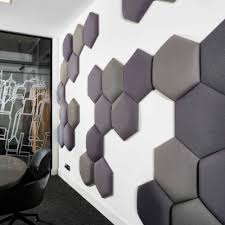
Acoustic panels are one of the most effective ways to reduce echo in offices. These panels minimize echo formation by absorbing sound waves. In addition, it also contributes to the decoration of the office and provides an aesthetic appearance. Acoustic panels are usually made of lightweight materials and are available in different shapes and sizes.
The biggest advantage of these panels is that they are easy to install. Thanks to a variety of colour and pattern options, they can be selected according to your office design. It is very important that the acoustic panels are placed correctly so that they can work effectively. The placement of the panels in the areas where the echo is most felt plays a major role in reducing the echo. Regular maintenance of these panels will help you provide a long-lasting and effective solution.
Echo Effect of Carpet and Furniture
Carpets used in the office play a critical role in reducing the echo. Hard floors increase echo formation by reflecting sound waves, while soft surfaces such as carpets allow sound to be absorbed. Choosing a quality carpet is an important step to improve office acoustics. Carpets not only reduce the propagation of sound, but also contribute to the general aesthetics of the office.
Furniture in the office is another factor that affects echo problems. Clothes, armchairs and tables made of soft and sound-absorbing materials can reduce the echo. Furniture placement is also important; While the scattered layout can cause more repercussions of the sound, an organized layout can control sound waves more effectively.
Anti-echo Sponge and Fabrics
Anti-reverb sponges are very effective in improving office acoustics. These sponges absorb sound waves and reduce echo formation. Sound insulation sponges, which are generally used on walls and ceilings, can increase the overall silence of the office environment. Proje Endüstriyel KesimIt aims to minimize the sound problems in the offices by offering quality and affordable anti-echo sponge solutions.
Anti-reverb fabrics also perform a similar function, preventing the sound from spreading and echoing. Especially sound-absorbing curtains can reduce echoes by using them in meeting rooms and work areas. Besides soundproof curtains, ornaments such as bedspreads or pillows can also improve acoustic performance.
The use of anti-reverb sponges and fabrics can make your office quieter and more comfortable. These materials, which are selected in harmony with your office furniture, both offer an aesthetic appearance and improve office acoustics. In this way, you can ensure that employees work in a more efficient environment.
Applicable solutions for ceiling and wall acoustics
Ceiling and wall structures in the office are factors that directly affect acoustic performance. Rigid ceilings can increase the reflection of the sound and cause echo problems. Therefore, it is recommended to apply acoustic panels or sound absorbing materials to the ceilings.
Using soundproof coatings on the walls can also significantly reduce the formation of echoes. Sound-absorbing wall panels both provide an aesthetically pleasing appearance and improve acoustic performance. Regular updating of panels ensures continuity of office acoustics.
In addition, acoustic paint and other innovative solutions can be used to increase ceiling and wall acoustics. These applications help employees work in a healthier and more productive environment by keeping the volume levels in the office under control.
Echo Prevention Strategies in Small Offices
Echo prevention strategies in small offices are critical to dealing with sound in more limited areas. In such offices, the use of sound-absorbing materials and the creation of correct layouts can reduce the impact of the echo. carpets, fabric-covered furniture and acoustic panels; They are effective solutions for improving the acoustics of small areas.
Another strategy is to create different areas according to the functions of the room. Areas designed with millimeters can control the propagation of sound. For example, by creating a special area for phone calls, you can manage the acoustics of the room more effectively, rather than distracting other employees.
How to Control Echoes in Open Office Spaces?
Echo control in open office areas is very important in terms of both design and material selection. In these areas where employees interact, the use of sound-absorbing materials is an effective method in reducing echoes. Acoustic panels, sponges and soundproof curtains; It can be used to control noise levels in such areas.
The placement of furniture during the arrangement of these areas also requires attention. Increasing the distance between employees or adding sound absorbing sections can facilitate echo control. In the open office layout, setting rules for certain sound levels helps to manage the tolerance level of noise.
Acoustic Measurement and Testing Methods
The most effective way to detect echo problems in the office is acoustic measurement and testing methods. These methods establish the basis for making the necessary improvements by determining the available volume levels and the amount of reverberation. Acoustic tests should be done by expert teams and the data obtained should be analyzed.
These measurements help determine which materials to use to optimize your office acoustics. For example, it allows you to decide on which zones acoustic panels will be placed or which soundproofing materials will be preferred. The project can help evaluate the acoustic state of your office with industrial cutting, acoustic measurement services.
Acoustic measurement and testing methods are an important step in ensuring voice control and improving office acoustics. In this way, it enables employees to work in a more efficient and comfortable environment with effective solutions.
Is Professional Acoustic Counseling Necessary?
Professional acoustic counseling can be a necessary support to improve office acoustics. Experts can develop solutions that suit specific needs by evaluating the current situation of your office. This is a great advantage to minimize echo problems within the office and manage your energy effectively.
During the consultancy process, acoustic tests are performed and the sound levels of the office are analyzed. Then, with appropriate materials and design recommendations, the echo is helped to control. This process both saves cost and increases the overall comfort in the office environment.
Our Online Stores


Working Hours
- Monday - Friday
- 08.00 - 18.00
- Saturday - Sunday
- Closed

