What Is EPDM Rubber Material
 endustriyelkesim.com'u Google'da tercih edilen kaynak olarak ekleyin +
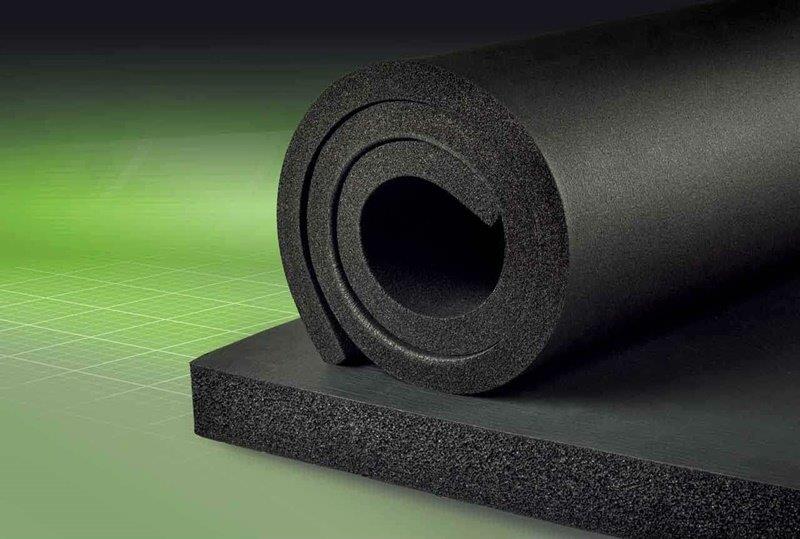
EPDM Rubber is one of the most commonly used materials in the synthetic rubber group. EPDM rubber, obtained by the polymerization of ethylene, propylene and a small amount of monomer, is preferred especially in applications exposed to weather and heat. In this content, the structure of EPDM rubber, its technical features, differences from other types of rubber, usage areas and production processes are handled from the perspective of B2B.
EPDM Rubberk What Is It? Structure and Features
The technical answer to the question of what is EPDM rubber is hidden in the chemical structure of the material. EPDM (ethylene propylene) is a type of synthetic rubber produced by adding a third component to the ethylene and propylene main chain. This so-called component enables the rubber to form a cross-link during vulcanization and combines flexibility and durability in the final product.
Highlights of EPDM rubber features include:
● Ozone and UV resistance: Since the unsaturated bond ratio is low, it shows high resistance to ozone cracking and UV-induced deterioration.
● Temperature range: In general use, it can perform up to +150°C with special formulations between -40°C and +120°C.
● Water and steam resistance: The water absorption rate is low, its vapor and moisture permeability is limited.
● Chemical resistance: Provides medium-high resistance to non-polar solvents, acid and base solutions; However, it is low resistance to oil and hydrocarbon-based products.
● Electrical insulation: It can also be used in electrical insulation applications due to its dielectric properties.
These properties make the material especially suitable for projects exposed to outdoor and variable climatic conditions in terms of EPDM rubber properties.
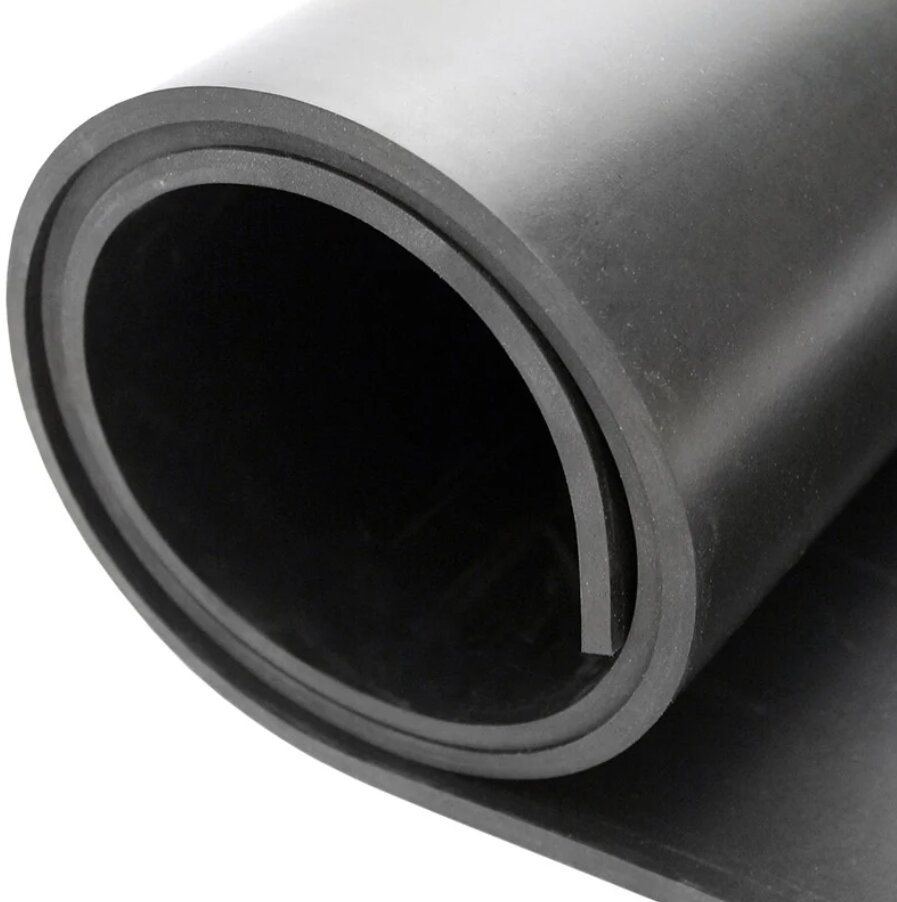
How Is EPDM Rubber Different from Other Types of Rubber?
The question of what is the difference between EPDM Rubber and other types of rubber is critical for engineers and purchasing teams who choose materials. Although there are stiffness (shore A), colour and additive differences between EPDM rubber varieties, the main performance characteristics are distinctly distinguished from other elastomer groups.
The following comparison chart compares EPDM rubber with other common types of rubber in terms of basic performance criteria:
| Feature | EPDM Rubber | NBR (nitrile) | Silicon | Neoprene (Cr) |
|---|---|---|---|---|
| Air/UV/Ozone Resistance | Very High | Low | High | Medium |
| Temperature resistance | -40°C / +120°C (exclusively +150°C) | -30°C / +100°C | -60°C / +200°C | -35°C / +100°C |
| Oil and hydrocarbon resistance | Low | Very High | Low-Medium | Medium |
| Water/steam resistance | High | Medium | Medium | Medium-high |
| Wear and mechanical strength | Medium-high | High | Low-Medium | High |
| Cost level | Medium | Medium | High | Medium-high |
| Typical use | Exterior, seal, insulation | Fuel/oil line seals | Food, medical, high heat | Strap, hose, shock absorber |
As can be seen from the table, EPDM rubber is not as resistant as NBR in oil and hydrocarbon contact applications; However, weather conditions are ahead of most of the competing materials in terms of UV and ozone resistance. For this reason, EPDM is preferred in applications that are exposed for a long time outdoors, while alternatives such as NBR are evaluated in lines that come into contact with oil and fuel.
EPDM Rubber Is Used in What Sectors and Areas?
The answer to the question of which areas EPDM rubber is used covers a wide range. EPDM Rubber application areas are found in many industrial sectors thanks to the weather resistance of the material and electrical insulation properties:
● Automotive Industry: Door and luggage seals, glass edge wicks, engine compartment vibration insulators, radiator hoses and sealing elements.
● Construction sector: Facade cladding seals, roof membranes, window-chopping wicks, dilatation seals and waterproofing tapes.
● White goods sector: Washing machine cover gaskets, dishwasher seals, refrigerator door seals.
● Industrial equipment and machinery manufacturing: Vibration dampers, gaskets, flange seals, cable transition seals.
● Energy and infrastructure: Cable insulation parts, transformer seals, sealing in outdoor electrical equipment.
The main reason why EPDM rubber sectors are used so widely on the basis of sectors is that the material offers long-lasting performance in outdoor conditions and can be produced in different degrees of hardness (in the range of Shore A 40-90). This flexibility makes it possible to select material for both light gasket uses and structural sealing projects under the EPDM rubber application areas.
What Materials Is EPDM Rubber Applied To?
The question of which materials EPDM rubber is applied to is especially important for companies that produce composite and multi-layered products. EPDM rubber material compatibility gives successful results with the following surfaces:
● Metal surfaces: It can be applied by bonding (bonding) on steel, aluminium and galvanized sheet; It is used as a gasket, especially in sheet metal cutting and profile production.
● Glass and aluminium joinery: It is mounted directly as a wick and sealing element in window and facade systems.
● Plastic and composite panels: PVC is used in multi-part seal systems with thermoplastic surfaces such as ABS.
● Concrete and building elements: It is applied to concrete surfaces by taping or burying in dilatation joints and waterproofing details.
● Other elastomer layers: Varieties such as sponge EPDM and sphero EPDM can be laminated with rubber layers of different hardness and density, and multifunctional profiles can be formed.
In these applications, the material thickness, hardness and bonding method are determined according to the project; Surface preparation and correct adhesive selection are critical steps that directly affect the performance of EPDM rubber.
What Processes Are Done in EPDM Rubber?
EPDM rubber manufacturing process covers many process steps from raw rubber sheet to final product. The main operations that are widely applied in the sector are:
● Cut: Production of parts in desired size and geometry by CNC blade cutting, water jet cutting or die (stanza) cutting methods.
● Drilling and staples: Opening of details such as screw holes and mounting holes in gasket and gasket parts.
● Adhesion and lamination: Combining EPDM layers of different thickness and density or other materials with EPDM.
● Profile production with extrusion: Production of continuous sectioned wicks, tape and seal profiles.
● Moulding (moulding): Production of parts with complex geometry by injection or compression moulding method.
● Surface treatments: Non-slip, coloring, or self-adhesive (adhesive backed) tape.
As Proje Industrial Section, as one of the companies that carry out most of these operations under one roof, we provide services in the cutting of EPDM rubber sheets in special size and geometry. We offer our customers the opportunity to work with order-specific dimensioning and different hardness options in the production processes carried out within the industrial sector.
EPDM Rubber Heat and Weather Resistance
The question of whether EPDM rubber is heat resistant is one of the most curious technical features of the material. EPDM rubber durability performance is due to the low rate of unsaturated bonds in the molecular structure of the material. Thanks to this structure, EPDM:
● In continuous use, it maintains its physical properties in the range of about -40°C to +120°C; With short exposures, this range can be extended.
● Even if exposed to direct sunlight, rain, land and humidity for a long time, symptoms such as cracking, hardening or discoloration show later than many other elastomers.
● It can maintain its structural integrity even in environments with high ozone concentration (eg traffic-intensive zones, industrial facilities).
● It performs without losing its flexibility in expansion-shrinkage cycles due to temperature fluctuations; This is the main reason why it is preferred in exterior and dilatation joint applications.
When these features are evaluated together, EPDM rubber provides a technically suitable material profile for projects operating in variable climatic conditions, especially in open space, in terms of durability.
EPDM Rubber Prices
The answer to the question of how to determine EPDM rubber prices depends on multiple variables rather than a single fixed figure. The main factors affecting pricing are:
● Thickness and size: Sheet thickness and ordered total square metre/metre.
● Hardness (Shore A): Different hardness levels require different formulations and additives.
● Type and structure: There is a cost difference between varieties such as plain (solid) EPDM, sponge EPDM or sphero EPDM.
● Transaction Type: From standard plate cutting to additional processes such as drilling, laminating or self-adhesive tape, the processes applied affect the cost.
● Order Quantity and Special Size Request: The cost structure of the standard sized bulk orders and the demands of special cuts differs.
For project specific EPDM rubber prices, the technical requirements (thickness, stiffness, measure, type of operation) need to be clarified. For detailed technical information and price offers, you can contact our company within the scope of existing product and cutting services.
Our Online Stores


Working Hours
- Monday - Friday
- 08.00 - 18.00
- Saturday - Sunday
- Closed

