What Are the Packaging Materials?
 endustriyelkesim.com'u Google'da tercih edilen kaynak olarak ekleyin +
● Quick Summary
- Packaging materials are examined in three main groups as paper-cardboard, plastic and metal; Varieties such as polyethylene, stretch film, Bubble Wrap and filler foam should be selected according to the product’s characteristics and intended use.
- BPA-free and microorganism-resistant materials should be preferred in food packaging; Recyclable paper, bioplastic and multi-layered packaging are among the current trends in terms of sustainability.
- In the selection of packaging, the protection needs of the product, cost and environmental friendliness criteria should be evaluated together; The right choice both strengthens the brand image and positively manages the economic and environmental impacts.
Estimated reading time: 20 seconds
Packaging materials are various materials used for the protection, transportation and storage of products. Different types of packaging play an important role in every stage from the production process to the end consumer. In the business world, choosing the right packaging materials is critical in terms of both improving product quality and meeting customers’ expectations.
Packaging materials are physical materials used to ensure the protection of products in general. These materials play an important role in the transportation, storage and presentation stages. The main packaging materials include paper and cardboard packaging, plastic packaging, metal packaging and flexible packaging films. Each of these materials offers different features and advantages.
- Paper and cardboard packaging are economical, light and environmentally friendly options. It is generally used in food, electronics and stationery products.
- Plastic packaging attracts attention with its heat and waterproofing. It is widely used in food, cosmetics and cleaning products.
- Metal packaging is preferred especially for cans and drinks. Provides durable and long-lasting storage.

Different Types of Packaging and Uses
Packaging materials are diverse and find use in different sectors. For example, packages specially designed for the food industry contain special materials to preserve the freshness of products. Packaging used in the transport of industrial products is generally more durable and protective.
- Polyethylene Packaging: Polyethylene, which is generally a light and durable material, is used for many different purposes such as food packaging, bags and bottles. Being resistant to water and chemicals, it makes it ideal for outdoor applications.
- Polyurethane Packaging: This type of packaging material is preferred especially in the food and beverage industry. Thanks to its insulation properties, polyurethane maintains the temperature balance, at the same time, with its flexibility, it allows the products to be safely wrapped.
- Filly Foam: It is especially used to provide protection for breakable products. Ideal for filling the gaps of products and protecting them against impacts. It can be applied in a wide range from electronic goods to glass products.
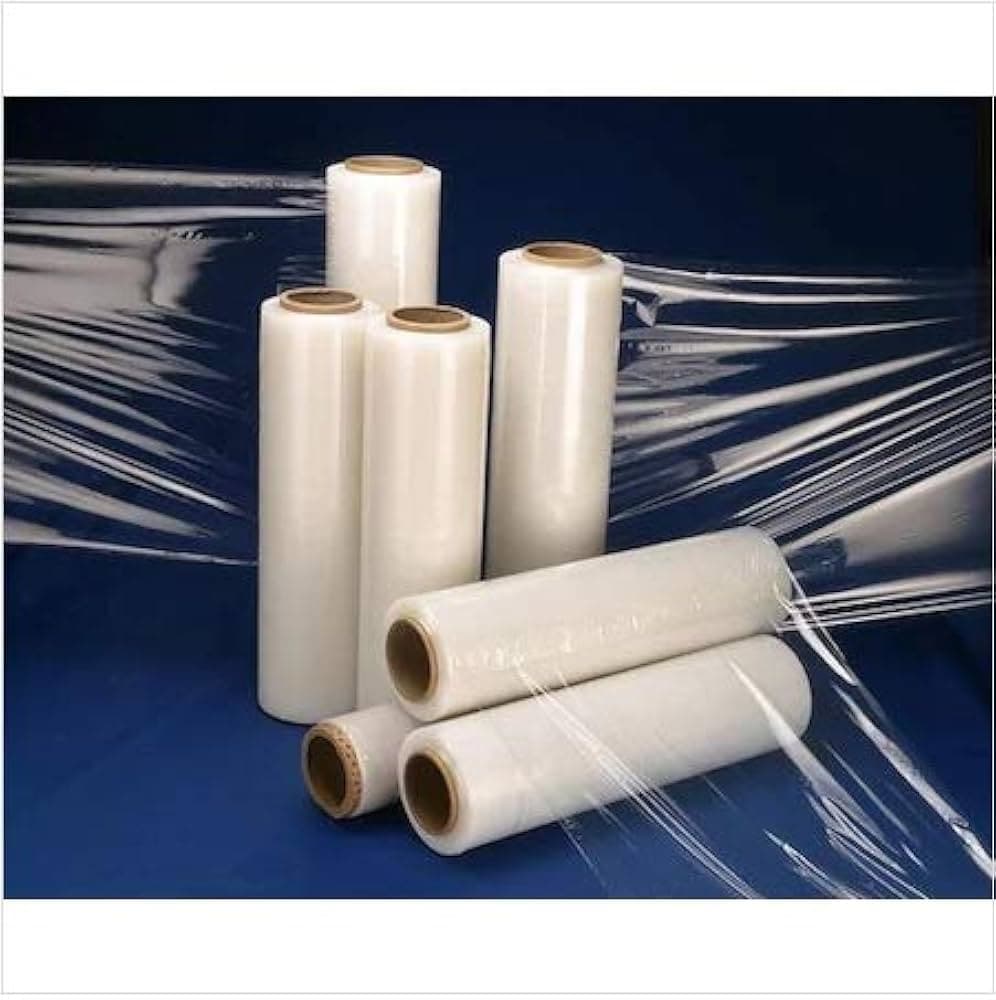
- Stretch Film: It usually wraps the products on the pallets and keeps them stable. It is used in storage and transportation processes in many sectors, especially in food products. It is easy to apply and increases the safety of products.
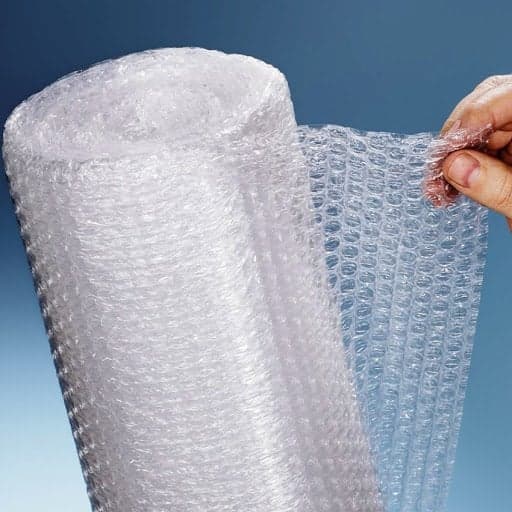
- Bubble Wrap: It is often preferred for the protection of breakable or sensitive products. Having a structure filled with air bubbles, it offers effective protection against impacts. It is especially important for businesses that sell online.
Food Packaging Materials: Evaluation in Terms of Health and Safety
Food packaging materials must have high standards of health and safety. Chemicals are expected to undergo various tests to avoid contact with food. In this regard, packaging materials with various certificates should be preferred.
- BPA-free plastic packaging increases the safety of food products by reducing the risk for health.
- Packages made of natural materials are one of the most suitable options for organic food products.
- Packaging that fights microorganisms are the types of packaging that reduce food waste by prolonging the shelf life of foods.
Recyclable Packaging Materials and Sustainability
Recyclable packaging materials are part of an environmentally friendly production approach. Such materials can be used and recycled without harming the nature. Sustainability plays an important role in reducing the socio-economic effects of businesses.
- Paper packaging is usually 100% recyclable.
- Recycling products Plastic and metal packaging allows new products to be used again.
- Environmentally friendly alternatives Biodegradable materials offer an environmentally friendly approach.
Comparison of Plastic, Paper and Metal Packaging
Each plastic, paper and metal packaging has its own advantages and disadvantages. When choosing packaging materials, the features of the product should be taken into account.
- Plastic packaging is lightweight, durable and waterproof. However, it has negative environmental impacts.
- Although paper and cardboard packaging are environmentally friendly, there may be limitations in terms of water and oil resistance.
- Metal packaging offers the advantage of long-term storage; But it can be heavy and difficult to recycle.
Things to Consider When Choosing Packaging Materials
The choice of the right packaging material affects the image of the brand, as well as maintaining the quality of the product. Packaging materials must comply with the specifications of the product and comply with safety standards.
- Ürünün Korunması: The packaging must be protective in accordance with the characteristics of the product and the usage area. For example, filler foam or Bubble Wrap should be preferred for breakable products.
- Cost: The cost of packaging materials plays an important role in budget planning. When calculating the cost, the durability of the material and the level of protection of the product should also be considered.
- Environmental Friendliness: Today, many businesses choose packaging materials that can be recycled or biodegraded, taking into account their environmental responsibilities. This both strengthens the brand image and increases the sensitivity to the environment.
New Trends and Innovative Materials in the Packaging Industry
The packaging industry is constantly evolving and offering innovative solutions. New materials and technologies ensure that products are presented in safer, aesthetic and environmentally friendly packaging.
- Smart Packaging Packages equipped with sensors that follow food freshness are one of the important trends of the future.
- Bioplastics gthey are alternatives that replace singular plastics and can be easily broken down in nature.
- Multi-layer packagings are innovative designs developed to extend the shelf life of products and provide protection.
Raw Materials and Properties Used in Packaging Production
The raw materials used in packaging production are of great importance in terms of the durability and functionality of the packaging. Different raw materials play a fundamental role in the development of various types of packaging.
- Polyethylene and polypropylene are the most frequently used raw materials in the production of plastic packaging.
- Cardboard and cardboard paper packaging is the basic raw material and stands out with their environmental friendliness.
- Aluminium and stainless steel are the main raw materials of metal packaging and provide high durability.
Durable Packaging Materials: the Best Options for Transport and Storage
Durable packaging materials provide a great advantage in transportation and storage processes. It plays a critical role in the preservation of heavy and sensitive products.
- Corrugated cardboard cardboard offers rigidity and durability in handling and storage processes.
- Adhesive cellophane bags are a light and durable packaging option when protecting products.
- Bubble Wrap provides the best protection for the transport of products that can be broken or damaged.
Economic and Environmental Impacts of Packaging
Packaging does not only ensure the protection of products; It also has economic and environmental effects. The right packaging choices can help businesses control their costs and reduce environmental impact.
- In terms of cost effectiveness, the right packaging design reduces costs by saving.
- The use of recycled and environmentally friendly materials reduces the negative effects on nature.
- Sustainable packaging solutions gain the preference of nature-sensitive consumers.
Our Online Stores


Working Hours
- Monday - Friday
- 08.00 - 18.00
- Saturday - Sunday
- Closed

