Where Is Nonwoven Fabric Used?
 endustriyelkesim.com'u Google'da tercih edilen kaynak olarak ekleyin +
● Quick Summary
- Nonwoven fabric is a nonwoven material produced by combining fibres by chemical, mechanical or thermal means; Polypropylene, polyester and viscose are the main raw materials and lightness, durability and waterproofing are among the main features.
- Nonwoven fabrics, which are widely used in the automotive, furniture, construction and hygiene sectors; It offers faster production, cost advantage and wide customization compared to traditional woven fabrics.
- Nonwoven fabric, which is an environmentally friendly option with its recyclable structure; Thanks to the Meltblown species, it stands out with its high filtration capacity in the health sector, and plays a critical role in erosion prevention and soil stabilization in geotextile applications.
Estimated reading time: 20 seconds
Nanwoven Fabric is a non-woven material used in various applications as an important component of the textile industry. Nonwoven fabrics, which have wide application areas, are specially produced for different needs and usually stand out with their features such as high durability, lightness and waterproofing. As a “Proje Endüstriyel Kesim” company, we specify where nonwoven fabric is used and its advantages in more detail below.
What Is Nonwoven Fabric?
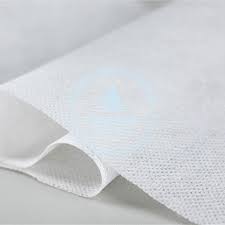
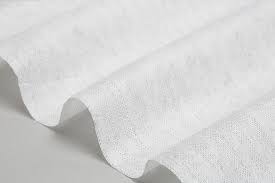
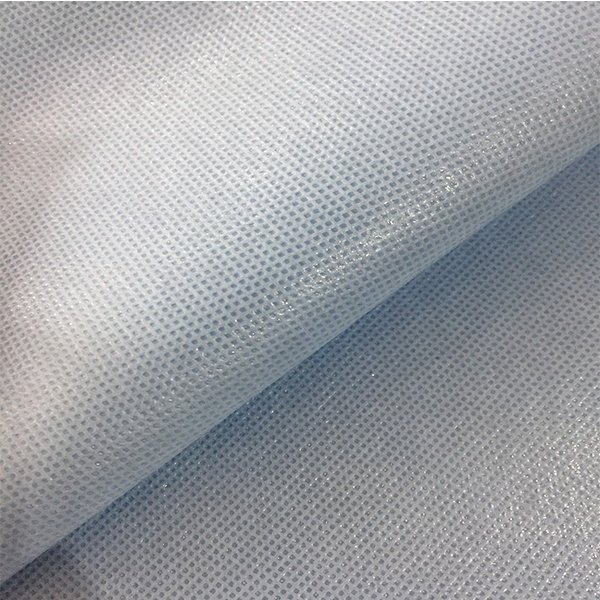
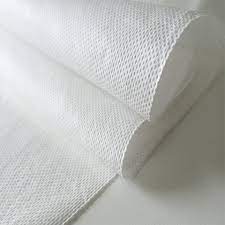
Nonwoven fabrics are usually produced by combining fibres by chemical, mechanical or thermal means instead of woven by certain techniques such as weaving, weft, weft, and warp. It is obtained by processing the fabrics in needle machines. Due to its texture structure, it can have lighter and elastic properties than traditional fabrics. In addition, it can be produced from various materials, allowing nonwoven fabrics to be diversified to meet different requirements in the industry.
Nonwoven fabrics are usually made of synthetic or natural raw materials such as polypropylene, polyester or viscose. While these materials increase the durability of the nanwowen fabric, they also add features suitable for the area of use. For example, some nonwoven fabrics are waterproof, while others are airtight. This makes nonwoven fabrics indispensable in many industries.
As a result, nonwoven fabric has an important place in our lives with a wide variety of uses. Thanks to the developing technology, the production methods of the nanwowen fabric type are also constantly being improved and diversified. Now, let’s look at the features and advantages of nonwoven fabrics.
What Are the Advantages of Nonwoven Fabric?
Among the advantages of nonwoven fabrics, cost effectiveness is at the forefront. Nonwoven fabrics, which offer a faster and more efficient production time instead of traditional weaving methods, save both time and material. Thus, manufacturers can meet industrial fabric requirements at more affordable prices.
Another advantage is that it adapts to various applications with different air and liquid permeability properties. Nonwoven fabrics can be produced with waterproof or breathable features according to the sector in which they are used. This makes them the ideal choice in the hygienic products, automotive applications and construction industry. For example, Meltblown fabric is effective in waterproofing and germ filtering.
In addition, nonwoven fabrics also offer an environmentally friendly alternative with their recyclable properties. Nonwoven fabrics, which can be produced from various raw material sources, offer a sustainable solution by reducing environmental impacts. Therefore, it has an important place in the preferences of environmentally conscious consumers. As the Proje Endüstriyel Kesim, we are using nonwoven fabric for various applications, being aware of these advantages.
Production Process of Nonwoven Fabric and Raw Materials Used
The production process of nonwoven fabrics consists of several stages. Firstly, fibre types such as polyester, polypropylene and viscose are generally preferred in the selection of raw materials. The selected raw materials are pre-treated and made ready to combine the fibres. This stage plays a critical role in determining quality.
The second stage of the production process is the stage of bringing the fibres together. At this point, the fibres are connected by mechanical, chemical or thermal processes. The resulting layer is cut according to the desired thickness and characteristics and returned to the final product. At this stage, production techniques and equipment are important factors that affect the quality and performance of the product.
In the final stage, nonwoven fabrics are subjected to final quality controls and entered into the packaging stage. Nanwoven fabrics, which have passed the necessary tests, are then made suitable for various processes. Thus, as the Proje Endüstriyel Kesim company, we process high quality nonwoven fabrics in accordance with various standards.
Nonwoven Fabric Applications in the Automotive Industry
The automotive sector is one of the areas where nonwoven fabrics are used most intensively. Nonwoven fabrics are used in areas such as in-vehicle armpits, luggage and ceiling flooring applications, sound insulation and thermal insulation. These fabrics, thanks to their lightness, reduce the total weight of the vehicles and contribute positively to the fuel efficiency. In addition, the activity they provide in sound insulation increases the comfort of the driver and passengers.
Another advantage of nonwoven fabrics in the automotive sector is their durability properties according to the raw material and production type it contains. While waterproof nonwoven fabrics resist harsh weather conditions, breathable designs provide air circulation of interior spaces. Such features are the reasons why they are preferred by automotive manufacturers.
As a result, with the advantages they provide in the automotive industry, nonwoven fabrics have become a constantly evolving market. As Proje Industrial Section, we offer special solutions to the automotive sector, meet customer demands and provide effective responses to industrial fabric needs.
Use in Furniture and Home Textiles
The furniture industry is another important use of nonwoven fabrics. These fabrics, which are preferred in products such as pillows, armchairs and covers, play a critical role with their lightness and comfort. The elegance and aesthetic appearance of nonwoven fabrics ensure that they are frequently preferred in interior decoration.
In addition, there is a wide range of applications in home textiles. Nonwoven fabrics used in products such as curtains, covers and tablecloths enrich home decoration with colour and pattern options. It also facilitates the work of housewives by offering durability and ease of washing.
Ultimately, the use of nonwoven fabrics in furniture and home textiles offers comfort and aesthetics, while at the same time providing long-lasting products. As Proje Industrial Cut, we produce high quality nonwoven fabrics to meet the demands in this field.
The Role of Nonwoven Fabric in the Field of Construction and Geotextile
Nonwoven fabrics also play a critical role in the construction and geotextile sector. These fabrics are frequently used in soil stabilization, drainage systems and road construction. The fact that they are resistant to various weather conditions ensures that these products are preferred in construction projects. In addition, they are light and easy to apply is also an important advantage.
In geotextile applications, the water permeability of nonwoven fabrics is an important feature. It provides anti-erosion solutions by controlling the interaction between soil and water. In this way, the life of construction projects is extended while the soil stability is increased. In addition, nonwoven fabrics used in the construction field also attract attention with their cost advantages.
As Proje Industrial Section, we provide environmentally friendly solutions by offering high quality nonwoven fabrics used in the construction sector. In this way, we help to increase the efficiency of construction projects.
Use of Nonwoven Fabrics in Hygiene and Cleaning Products
Hygiene and cleaning products are one of the most widely used areas of nonwoven fabrics. Nonwoven fabrics used in products such as wet wipes, masks, surgical covers stand out with their water resistance and non-fedging structure. These features are ideal to meet hygiene requirements and increase user comfort.
Nonwoven fabrics are also preferred in sterilization and germ-blocking products, thanks to their high filtration properties. Meltblown fabrics, in particular, have an important place in the health sector with their high microbe holding capacity. It meets the needs of users by increasing the effectiveness of cleaning products.
To summarize, the use of nonwoven fabrics is of great importance in the field of hygiene and cleaning. As Proje Industrial Cutting Company, we are working to meet the demands in this field and to provide high quality products.
As a result, nonwoven fabrics are a material that has found its place in a wide variety of industries. It stands out especially with its applications in the fields of automotive, furniture, construction and hygiene. As Proje Industrial Section, we continue to offer qualified solutions in this field, taking into account the advantages and usage areas of nonwoven fabrics.
Our Online Stores


Working Hours
- Monday - Friday
- 08.00 - 18.00
- Saturday - Sunday
- Closed

