Properties and Advantages of PET Materials
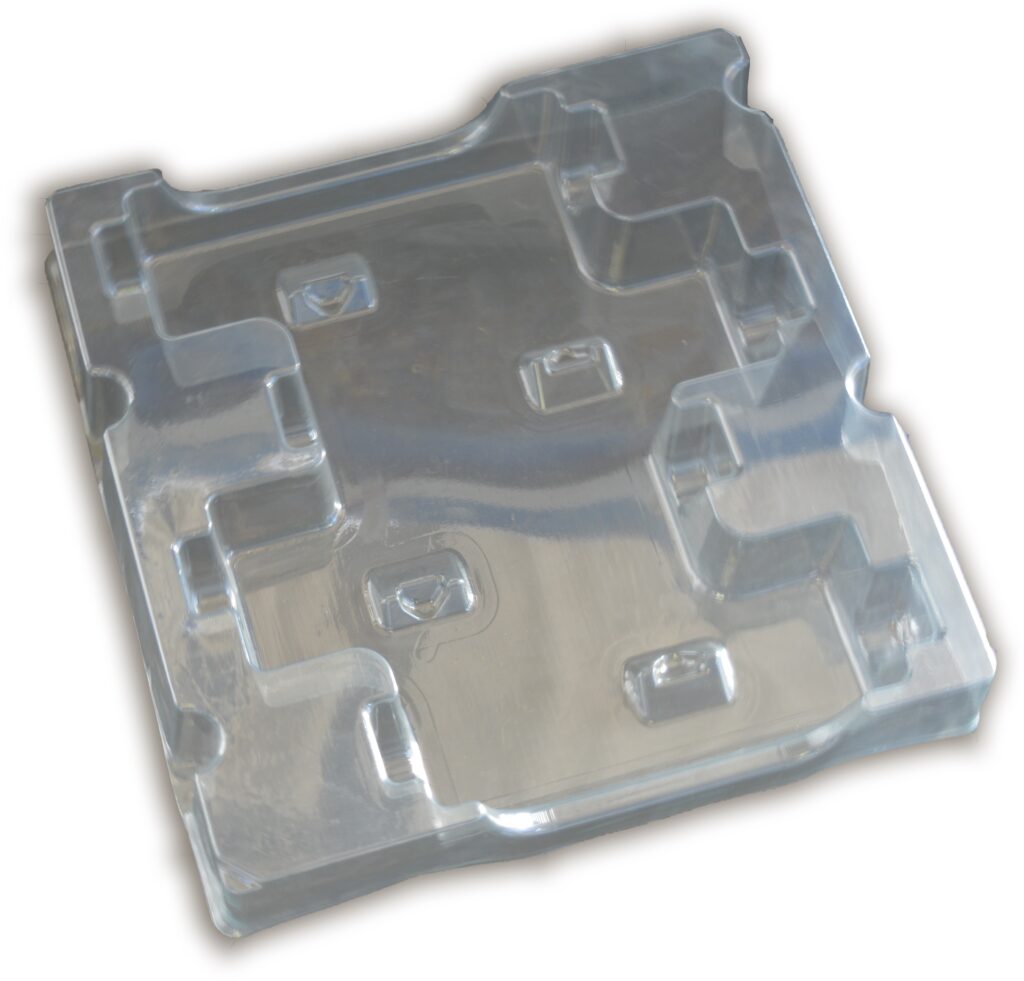
PET thermoforming technology is a frequently preferred method in modern industry. In particular, PET material, which is used in the production of packaging and various shape products, draws attention with its durability, lightness and recycling potential. In this article, the properties and advantages of PET materials, thermoforming processing process, PET thermoforming applications, differences with other plastic materials and environmental impacts and recycling methods will be discussed. As the Proje Endüstriyel Section, we also play an important role in this process.
Properties and Advantages of PET Materials
PET materials have excellent mechanical properties with high transparency and durability. Thanks to its low water vapor permeability, this material maintains its structure even in humid environments, helping the products to stay fresh for a long time. In addition, PET’s chemical resistance makes it an ideal material for a variety of industrial applications.
In addition, PET materials reduce transportation and storage costs due to their lightness. The fact that they can take shape during the thermoforming process allows these materials to be produced in many different shapes and sizes. As a result, they provide a cost-effective solution while offering high performance. As Proje Industrial Section, we offer customer-oriented solutions by taking advantage of these advantages provided by PET materials.
Another advantage is that PET materials are recyclable. As a material that can be used in many cycles, PET is of great importance for environmental sustainability in the production process. This feature helps to reduce costs while providing an environmentally friendly option.
Thermoforming Process
Thermoforming is the process of heating plastic materials by heating them and then pouring them into the form. This process allows thermoplastic materials such as PET to take the desired shapes. First, PET sheets are heated and then placed in moulds. Using vacuum or pressure, the material is shaped by contacting the mould.
At this stage, temperature and pressure values are important. The correct temperature ensures that the material softens up enough, while the correct pressure ensures that the material reaches every detail of the mould. As Proje Endüstriyel Kesim, we improve quality and reduce costs by developing innovative approaches to thermoforming.
When the process is completed, the cooling phase begins. As the material cools, it hardens and takes the form of a mould. At this stage, the products are produced with the desired quality and durability. Thermoforming process is preferred by many sectors with its fast production time and low cost advantages.
PET Thermoforming Applications and Uses
PET thermoforming products are spread over a wide range from food packaging to medical devices. In the food industry, it is often preferred to produce packages that provide food safety and freshness. PET material optimizes the protection of products, as it is a light and durable choice.
In addition, PET thermoforming technology offers an excellent alternative to sterilization in medical applications. PET, which is used in the packaging of medical instruments, has the necessary features to meet the hygiene standards in hospitals. Proje Industrial Sector serves many sectors, especially the packaging sector, by developing pioneering products in this field.
Other uses include the automotive, electronic and cosmetic industries. In these sectors, providing light and durable packaging solutions ensures that products last longer. PET thermoforming plays an important role in many industries, combining both functionality and aesthetics.
Differences Between PET and Other Plastic Materials
PET has many advantages compared to other plastic materials. For example, polypropylene (PP) has higher temperature resistance than material. This allows PET to perform more reliably during the thermoforming process and helps to obtain quality products.
However, the mechanical durability and transparency properties of PET highlight it when compared to other materials such as polyvinyl chloride (PVC). While PVC is known to carry some risks in terms of human and environmental health, PET contains less toxins and is more environmentally friendly. As Proje Industrial Section, we take care to produce quality and reliable products with these advantages provided by PET.
Finally, PET’s recycling processes are also more effective than other plastic materials. PET increases environmental sustainability as it is a widely recycled material worldwide. This situation provides a clean and safe option for both manufacturers and consumers.
Environmental Impacts and Recycling Methods
The environmental impacts of PET materials can be minimized with the right recycling methods. PET is a material with more recycling potential than other plastics. Recycling processes include the conversion of PET into new products through cleaning, disintegrating and reprocessing.
During recycling processes, waste pet materials are collected and classified. Then, these materials are cleaned using water and chemicals. This process improves the quality of the recycled PET and makes it suitable for new products. As Proje Industrial Section, we contribute to environmental sustainability by supporting recycling practices. However, reuse of PET saves energy and reduces environmental pollution.
Our Online Stores


Working Hours
- Monday - Friday
- 08.00 - 18.00
- Saturday - Sunday
- Closed