Injection Moulding
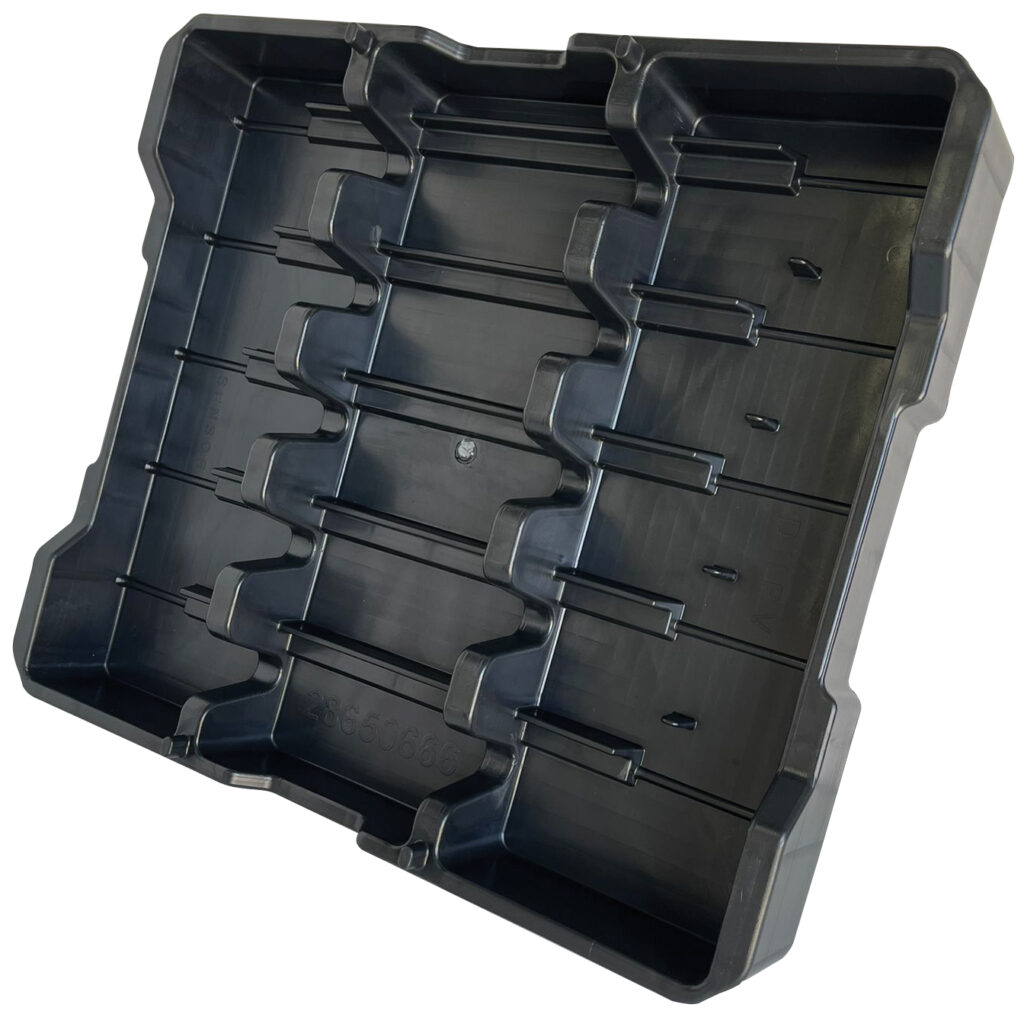
What Is Injection Moulding?
Injection moulding is the process of injecting liquidized materials into a mould under high pressure. This process can usually be applied to thermoplastic or thermoset plastics as well as some metal and ceramic materials. As Proje Endüstriyel Kesim, we use this method to ensure that quality and durable parts are produced together with their designs.
This process is particularly effective in the manufacture of parts containing complex shapes and details. Injection moulding provides a wide range of products from automotive to electronic devices, from toys to medical devices, and therefore it has become an indispensable method in industrial production processes.
The injection moulding process draws attention with its mass production capacity as well as being a fast and economical method compared to other manufacturing techniques. This makes it one of the most preferred methods in mould manufacturing.
Injection Moulding Process and Steps
The injection moulding process takes place in several basic steps. First, the plastic chosen as the raw material is heated to become liquid. At this stage, the material that reaches the specified temperature and viscosity is transmitted to the injector of the injection moulding machine. The Proje Endüstriyel Kesim makes operations more efficient by using the best quality machines at this stage.
As a second step, the liquid material is injected into a certain cavity in the mould under high pressure. This liquid material cools in the mould and solidifies and reaches the desired form. The cooling time varies according to the type of material used and the design of the mould.
Finally, the mould is opened and the solidified part is removed. After this stage, additional operations can be carried out on the parts if necessary, for example, surface treatments or joining. These steps are the basic elements of the injection moulding process, and the Proje Endüstriyel Kesim performs all these stages with high precision.
Advantages and Disadvantages of Injection Moulding
Injection moulding has many advantages. First of all, with this method, it can be produced in high volumes and in short periods of time. This provides cost-effectiveness and is an important advantage for companies engaged in large-scale production. In addition, the parts produced by injection moulding have extremely high quality and repeatability. Thanks to these advantages, Proje Industrial Cut offers the best service to its customers.
However, there are also some disadvantages of injection moulding. First, mould costs can be high in the first stage. This can create a challenging situation, especially for businesses that want to produce in low volumes. Also, the pre-mould design process is complex and time-consuming. Any design error can lead to serious problems at the beginning of the production process.
Finally, some materials may require processing or may impose certain limitations. For example, some types of plastic or metal alloys may require special moulding conditions. Therefore, the correct selection of materials and material awareness are extremely important in the injection moulding process.
Materials Used in Injection Moulding
Some different materials are used in the injection moulding process. Thermoplastics are the most commonly used materials. Especially plastic types such as polypropylene, polystyrene, PVC and ABS (acrylonitrile butadiene styrene) are preferred for injection moulding in various sectors. These materials are known for their easy shaping and high mechanical durability properties.
In addition, thermoset plastics are also used in injection moulding. Such plastics are ideal for certain applications as they become unprocessable after shaping. They provide a great advantage in obtaining long-lasting and durable products.
There are also metal and ceramic injection moulding techniques. Methods such as metal injection moulding (MIM) and ceramic injection moulding (CIM) are used in the production of parts with more specific and high performance requirements. Proje Endüstriyel Kesim provides a wide range of products by offering injection moulding services made with such materials.
Plastic Injection Moulding
Injection moulding is a production method in which various materials are heated and liquidized and then injected into moulds and cooled. This process is extremely popular, especially in shaping materials such as plastic and metal. Firstly, special injection moulding machines make the raw material fluid by correctly heating it. This fluid material is injected into the moulds to be studied, where it is allowed to cool for a certain period of time. This process provides high efficiency in the production of complex and precise parts.
Plastic injection moulding is usually carried out using thermoplastic materials. These materials can be recycled as they melt when heated and solidify after cooling. Acrylonitrile butadiene styrene (ABS) is one of the most widely used thermoplastics and is preferred in many industrial applications thanks to its durability.
The injection moulding process allows for excellent results with both material groups. New technologies and machines are being developed for more efficient production, which increases the competitive advantage of companies such as the Proje Endüstriyel sector. By providing customizable solutions for different needs in every sector, it makes the weight-motivation process more effective.
Injection Moulding Errors and Solutions
The success of the injection moulding process depends on many factors, and errors that may occur in this process must be taken into account. One of the most common errors is the formation of mould cavities. This is usually due to insufficient material flow or faulty cooling process. To solve the problem, it may be necessary to correct the mould ventilation or increase the flow of material.
In addition, spots or roughness on the surface of the part is also a common problem. Such surface defects can occur due to the improper mould surface or insufficiently cleaned. As a solution, it is necessary to regularly check and clean the mould surface. In addition, care should be taken in the design of the mould and the surface should be formed with quality materials.
Finally, deviations in the dimensions of the parts are also an important source of error. This occurs due to excessive mould temperature or overcooling. Experienced companies such as Proje Industrial Cuts can obtain quality results by detecting such errors in advance in the production process. Providing training and technical support is also an effective strategy to reduce the error rate.
Products Produced by Injection Moulding
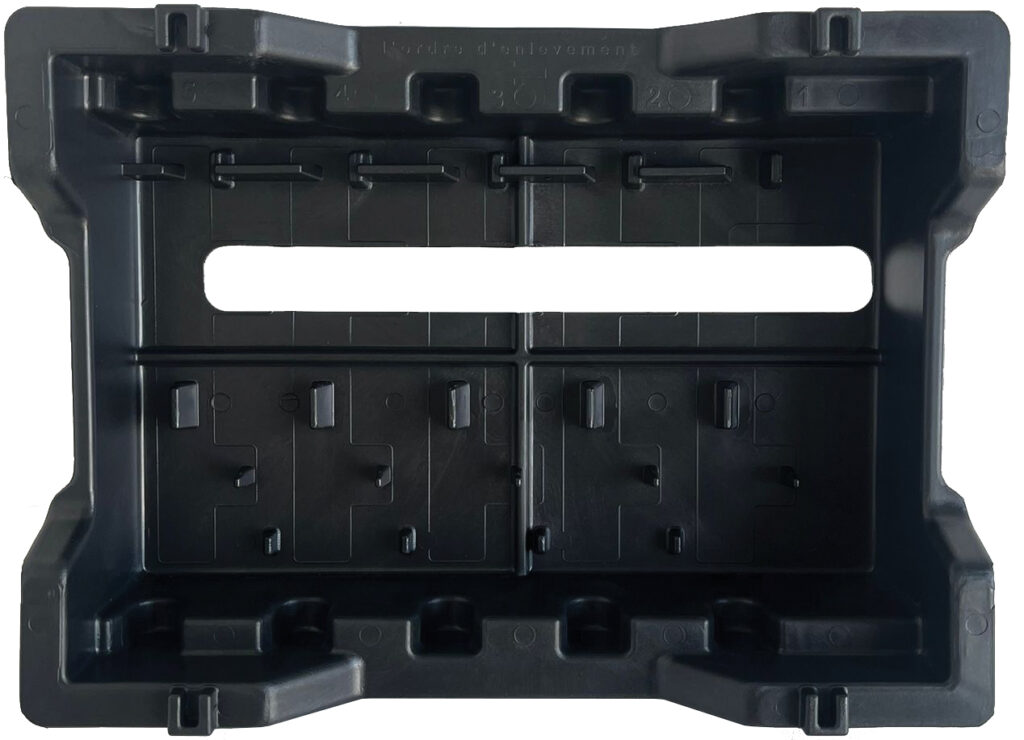
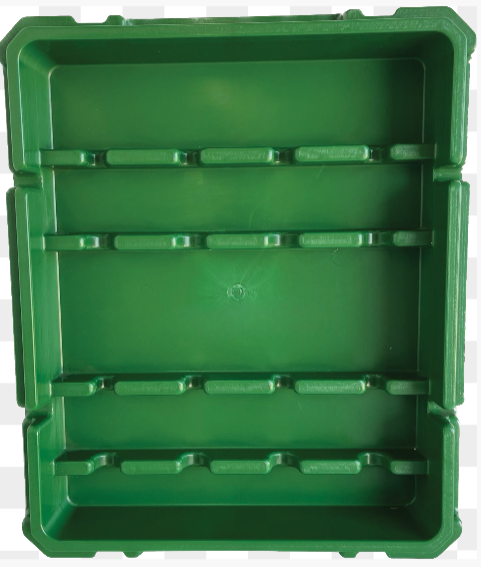
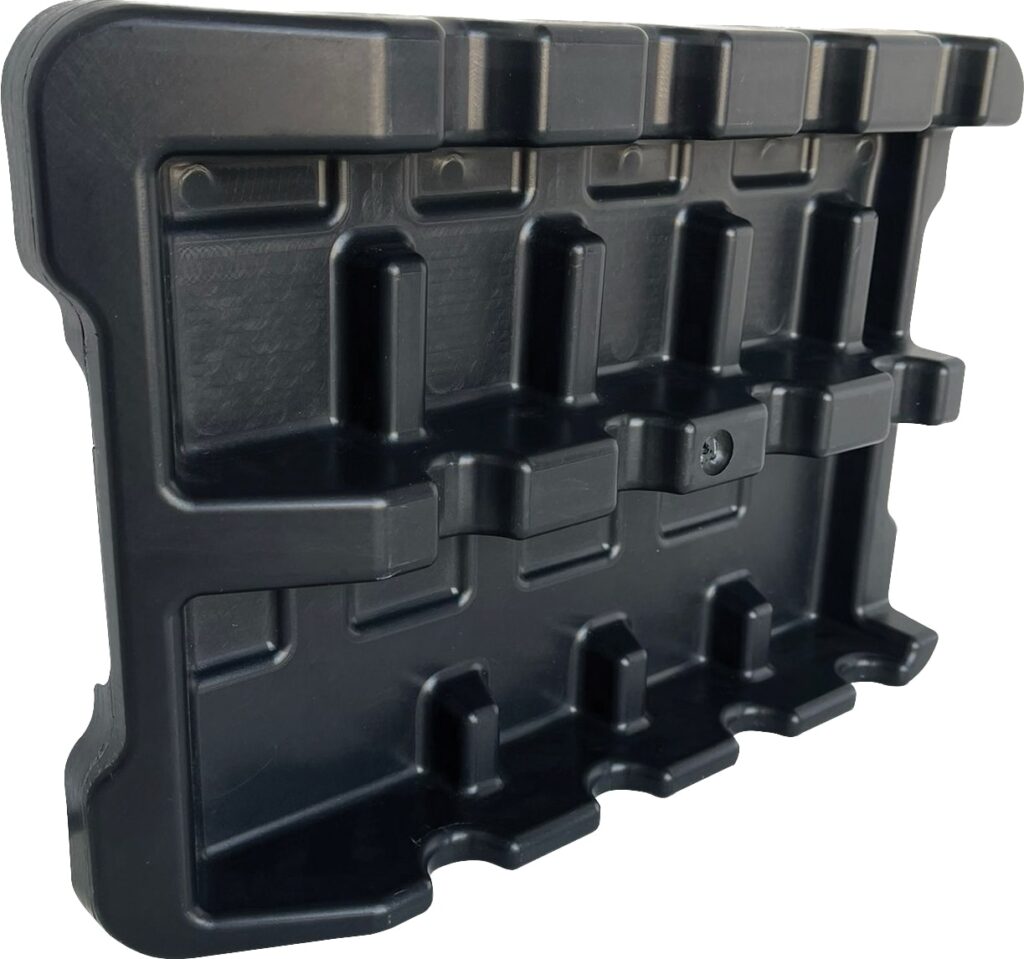
The range of products produced by injection moulding is quite wide. The plastic injection process is used in the production of many items that we use in our daily life. For example, products such as toys, automotive parts, packaging materials and the outer surfaces of electronic devices can be produced by this method. This process offers the ability to reduce costs and fast production, thanks to the ability to produce in high volumes.
Plastic injection machines are one of the most important elements of this process. These machines melt plastic raw materials at a certain temperature and inject them into moulds. This process provides the formation of the desired product. In addition, there are some errors to be considered in the injection moulding process. These errors; Part deformations can lead to problems such as surface poor quality and production time. As the Proje Endüstriyel sector, we are conducting a rigorous production process to prevent such errors.
Our Online Stores


Working Hours
- Monday - Friday
- 08.00 - 18.00
- Saturday - Sunday
- Closed