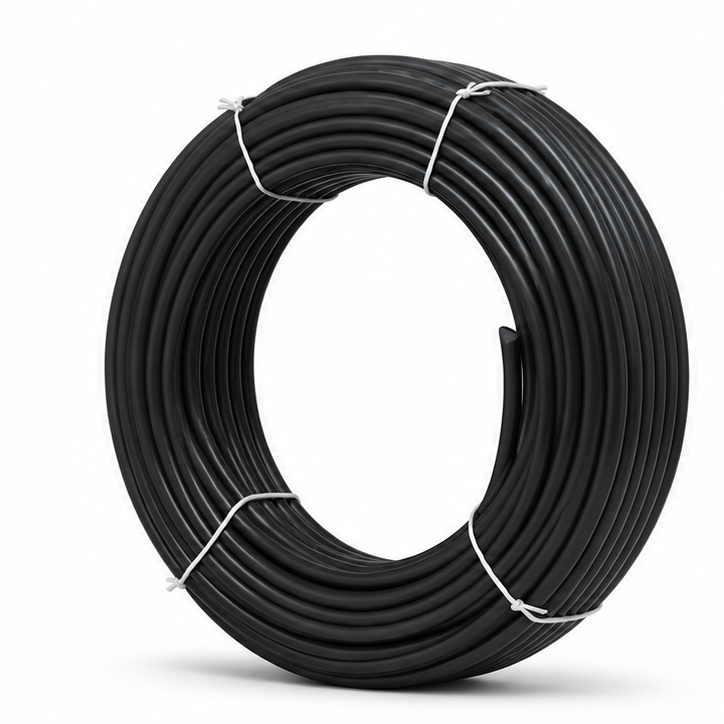
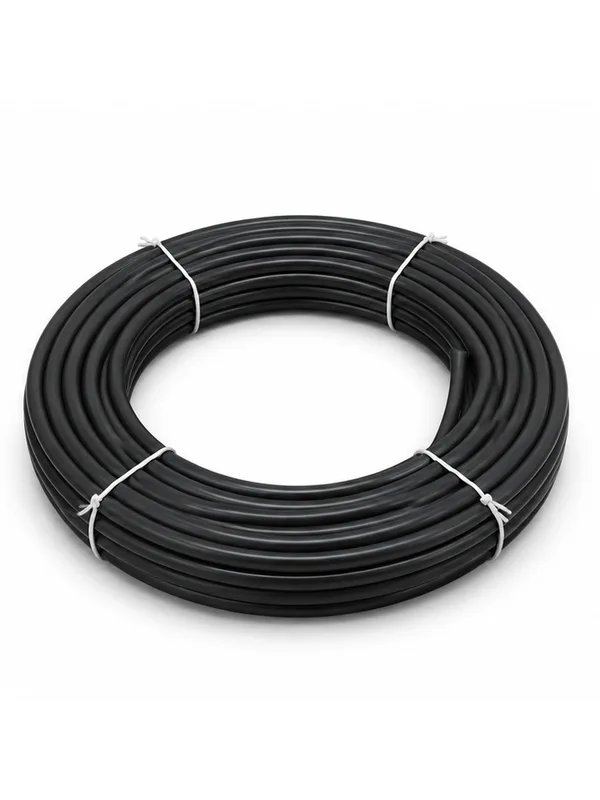
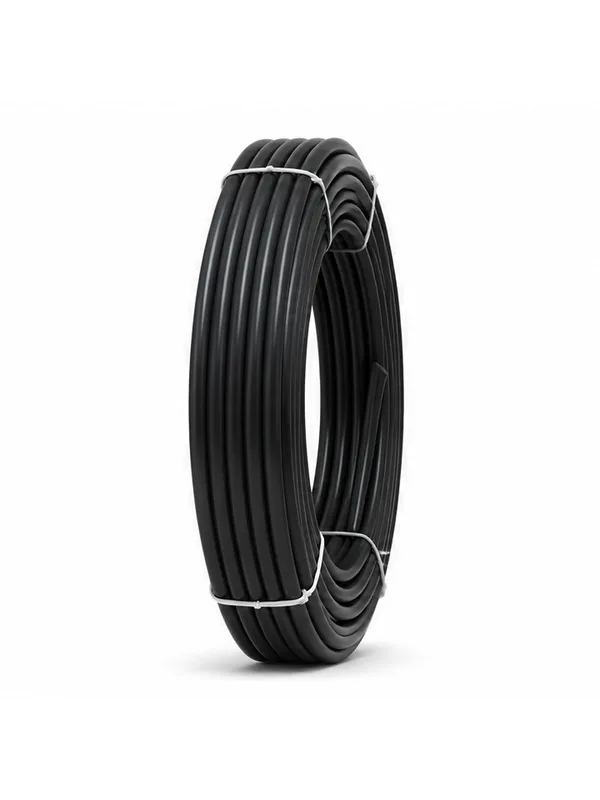
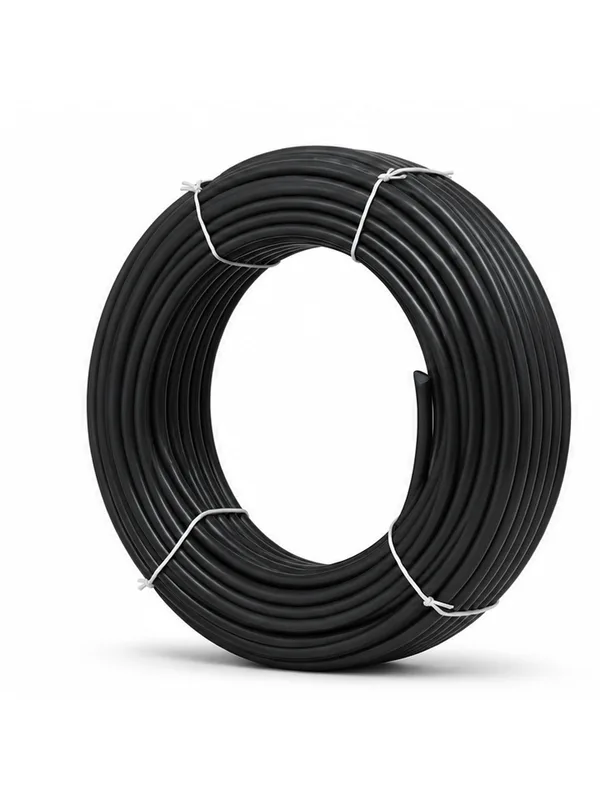
Flexible electrical cable conduit that protects cables from impact, moisture and abrasion and keeps the line neatly routed. Supplied in rolls, cut it to the length you need.
The 14 mm electrical cable protection conduit is used to route cables neatly and reduce their direct contact with external factors. Its flexible structure makes it easy to shape along the installation route. It is supplied as…
Electrical cable conduit protects cables from external effects and routes them neatly along the line. Often searched simply as electrical conduit, these products are used in building installations, construction sites, workshops, machinery and control panels.
What Is Electrical Cable Conduit?
Electrical cable conduit is a pipe that protects the cable running through it from mechanical impact, moisture and abrasion, and makes it easier to renew the line later. Because the cable runs inside the conduit, it never touches the wall, floor or machine body directly.
The level of protection depends on the conduit material and its crush resistance. Moisture protection depends not only on the conduit but also on the sealing of the fittings and junction boxes used with it.
What Is Electrical Cable Conduit Used For?
Electrical cable conduit protects the cable, keeps its route organised and makes it possible to replace the cable later.
Protection: Separates the cable from impact, friction and environmental effects.
Organised routing: Gathers cables along a defined route and prevents messy cable runs in machine and panel manufacturing.
Easy renewal: If the conduit is wide enough, a faulty cable can be pulled out and replaced without breaking the wall or floor.
Types of Electrical Cable Conduit
Electrical cable conduit comes in four groups: spiral (flexible), straight (rigid), metal and flame-retardant/halogen-free. When choosing a conduit, the shape of the route, the risk of crushing and impact, and fire requirements are assessed together.
Type
Structure
Best suited for
Point to watch
Spiral
Flexible, on a roll
Lines with bends, concealed installation, routing inside machines
The corrugated inner surface can make cable pulling harder
Straight
Rigid, in lengths
Straight surface-mounted lines
Changes of direction need fittings or bending
Metal
Steel or steel spiral
Workshop and machine lines with a high risk of impact
Cannot be used in place of a protective earth conductor
Halogen-free / flame-retardant
Plastic, special compound
Buildings whose specifications include fire requirements
Both properties must be checked separately
Spiral Electrical Conduit
Spiral electrical conduit is flexible and can be shaped by hand to follow the route. Because it is sold in rolls, it reduces joints on long runs. Some models come with a draw wire that makes cable pulling easier.
In the flexible group, the Electrical Cable Protection Conduit 14 mm Black – 100 Metre Roll is flexible with a smooth surface. It is 14 mm, black and supplied as a 100-metre roll; you cut it to the length you need. Before ordering, check that the size suits your cable and application.
Straight Electrical Conduit
Straight electrical conduit is rigid and usually sold in 3-metre lengths. It suits neat, visible runs. Lengths are joined with couplers, and changes of direction are made with elbows or a suitable bending method.
Metal Cable Conduit
Metal cable conduit is used in workshop, machine and industrial lines where the risk of impact and crushing is high. Steel spiral and insulated steel spiral types are preferred for flexible runs. Under the Turkish Electrical Internal Installations Regulation, metal conduits must not be used as a protective earth conductor.
Flame-Retardant And Halogen-Free Electrical Conduit
Products sold as fireproof conduit are technically flame-retardant conduits, while halogen-free refers to material with limited halogen gas emissions during combustion. These two properties are not the same: manufacturer catalogues also list halogen-free series that do propagate flame. That is why both properties must be confirmed separately on the product data sheet.
What Is The Difference Between Concealed And Surface-Mounted Cable Conduit?
Concealed conduit stays inside the wall or floor, while surface-mounted conduit is fixed onto the surface with clips. The difference comes from where the conduit is installed and how accessible it is afterwards.
Concealed installation is done in new buildings and major renovations. Because the conduit cannot be seen afterwards, the route, diameter and crush resistance must be settled before laying. Flexible conduits let you pass bends without fittings in this type of installation.
Surface-mounted installation is used in workshops, warehouses, around panels and in existing buildings. Maintenance is easy because the line is visible, but the conduit is exposed to impact. If it will stay outdoors, check UV resistance on the product data sheet.
Electrical Conduit Sizes And Choosing The Diameter
Electrical conduit diameter is chosen based on the inner diameter, according to the number and cross-section of the cables that will pass through it. For conduits under TS EN 61386, nominal sizes such as 16, 20, 25 and 32 mm refer to the outer diameter.
With trade names such as 14, 16 or 18, pay attention to the product type. For smooth-surface coiled conduits, this number is usually the outer diameter. For spiral and steel spiral conduits, the same number is close to the inner diameter in most catalogues: a black 14 spiral conduit may have an 18 mm outer diameter and a 14.6 mm inner diameter. So compare by the inner diameter on the data sheet, not by the name.
Nominal conduit size / outer diameter (mm)
Inner diameter (mm)
1.5 mm² (qty)
2.5 mm² (qty)
4 mm² (qty)
6 mm² (qty)
14
10,8
5
4
3
2
16
12,4
7
5
4
3
18
14,2
10
6
5
4
20
16
13
8
7
5
25
20,1
20
13
11
8
This table is a calculation example, not a standards table. Inner diameters are taken from one manufacturer’s 750 N black coiled conduit catalogue and conductor outer diameters from single-core H07V-U data sheets, calculated so that at most 40% of the conduit cross-section is filled. Choose the next diameter up for runs with many bends or long runs. As the number of conductors in the same conduit increases, current-carrying capacity decreases; the final choice is made according to the project calculation.
How Is Electrical Cable Conduit Installed?
Electrical cable conduit is fixed in place after its route is set and it is connected to junction boxes, then the cable is pulled through the conduit. Electrical installation must be carried out by an authorised electrician; the Turkish Electrical Internal Installations Regulation also requires internal installation work to be done by registered electrical installers.
Set the route and diameter. The line, junction box positions and number of cables are settled before installation.
Cut the conduit. Remove the burr at the cut end; burrs can damage the cable insulation.
Respect the bending radius. The conduit must not be crushed and its inner cross-section must not narrow. Take the minimum radius from the product data sheet; for example, for one manufacturer’s flexible halogen-free conduit this value is 4 times the outer diameter (64 mm for a 16 mm conduit).
Connect the junction boxes. Seat the conduit end in the junction box entry. Cable joints are made inside the junction box, not inside the conduit.
Fix the conduit. Use clips on surface-mounted runs; in concealed runs, secure it in its channel.
Pull the cable. Push the draw wire through the conduit, attach the cable to the wire and pull it from the opposite junction box without forcing it.
Check the line. Continuity and insulation checks are carried out before the line is energised.
Electrical Cable Conduit Prices
Electrical cable conduit prices depend on diameter, roll length, material and quantity, so there is no single fixed price.
Diameter: The larger the diameter, the more material is used per metre.
Roll length: Roll or length size affects the total unit price and the waste rate.
Material: Costs differ between plastic, steel spiral, halogen-free and flame-retardant types.
Quantity: Order quantity changes the unit cost.
For a bulk quote, add the conduit type, diameter, roll length and quantity you need to the quote form. Proje Endüstriyel prepares electrical cable conduit quotes based on this information.
How do I choose the electrical cable conduit diameter?
The diameter is chosen based on the inner diameter, according to the number and cross-section of the cables that will pass through it. Compare using the inner diameter on the product data sheet.
Can I get a quote for bulk orders?
Yes, send the conduit type, diameter, roll length and quantity through the quote form.
Is there a shipping fee, and when is my order dispatched?
Shipping is free on all orders. In-stock products are dispatched the same day.
Can I get a price for bulk orders?
Yes. For high-volume, dealer and corporate orders, fill in the form on this page, call us on +90 530 991 02 25 or email satis@endustriyelkesim.com.